
Lieferung heute & morgen

Qualitätsgarantie

Willkommens-Angebote freischalten: KOSTENLOSE Lieferung | Bis zu 80 % RABATT | Kostenlose 30-Tage-JoyPlus-Testphase
App herunterladen
The search for the perfect 2027 planner has begun. A well-chosen annual planner is more than just a calendar—it's a tool for boosting productivity, organising goals, and reducing stress. Yet, the market is flooded with models whose utility often falls short of their advertising promises. Before you make a decision, it's crucial to understand the common pitfalls that can lead to a bad purchase.
Many users quickly discover that their new planner is impractical. The most common problems include:
As your Joybuy Product Recommendation Officer, I'm here to help you navigate these issues and find a planner that truly meets your needs for 2027.
To avoid buyer's remorse, you should focus on three objective criteria. These are the key determinants of your planner's longevity and functionality.
Paper quality is crucial for the writing experience and readability. The most important indicator is paper weight, measured in grams per square metre (gsm).
When choosing your 2027 Appointment Planner, pay close attention to the specified paper weight.
The binding determines how flat the planner lies and how durable it is. The two most common types are Smyth-sewn and spiral binding.
2027 Calendar Book also tends to look more elegant.A Time Management Planner is only effective if its layout suits your needs. Consider how detailed your planning needs to be.
2027 Daily Planner provides maximum detail.2027 Agenda.Goal-Setting Planner often includes separate sections for monthly overviews, annual goals, project planning, or habit trackers.Here are a few recommendations tailored to different user profiles, all of which meet the quality criteria mentioned above.
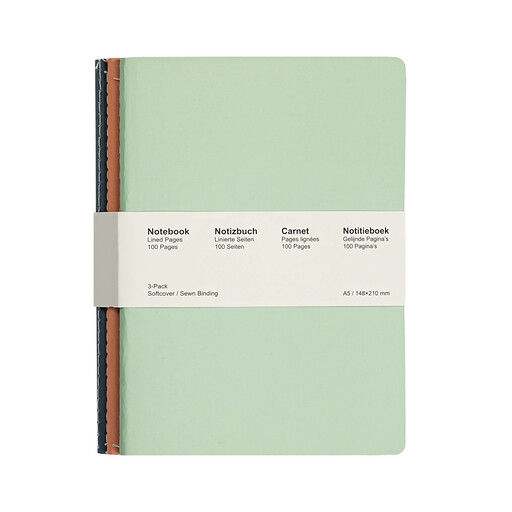
Why This Fits Their Persona: Ideal for users who want to create their own planner system, bullet-journal style. The blank, lined pages offer maximum freedom to design custom weekly and monthly spreads without being restricted by a rigid layout.
It bypasses the problem of an unsuitable layout because the user has complete control over the structure. The Smyth-sewn binding ensures durability and a lay-flat experience.
The 80gsm offset paper provides a solid base for most pens. Its lightweight and flexible softcover construction makes it ideal for daily transport.
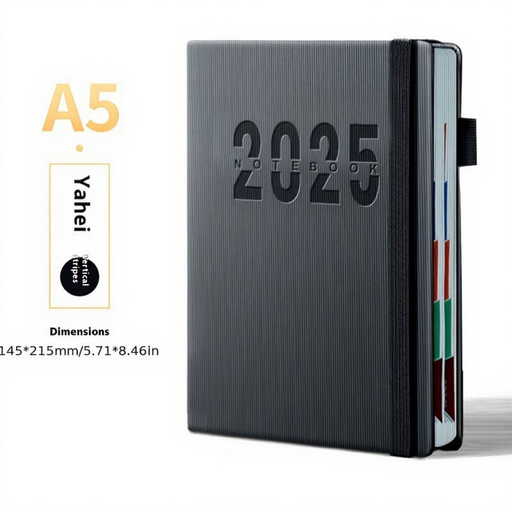
Why This Fits Their Persona: Perfect for professionals who need a comprehensive system for managing appointments, tasks, and self-reflection. The structured 365-day layout helps maintain an overview of complex projects and deadlines.
It offers a thoughtful, all-in-one layout that reduces the need for separate notebooks or apps. The robust binding and high-quality paper are designed for intensive daily use.
The integrated check-in feature promotes daily accountability and helps build routines. The classic black design is suitable for any professional environment.
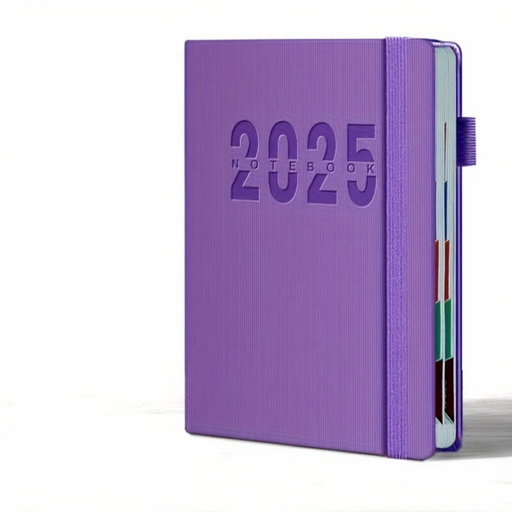
Why This Fits Their Persona: Students and creatives need a balance of structure for deadlines and flexibility for ideas. This model offers dedicated sections for daily and weekly planning, as well as for tracking learning goals or creative projects.
The paper is of sufficient quality to minimise highlighter ghosting. The structured layout helps keep track of different courses and projects without feeling overwhelming.
The combination of daily, weekly, and monthly overviews offers great flexibility. The self-discipline check-in feature is ideal for tracking academic progress and staying motivated.
We've curated a complete, up-to-date list of products that meet these strict selection criteria and quality standards.
For most users, a paper weight between 80 gsm and 100 gsm is a great choice. It offers a good balance of writing comfort, opacity, and a manageable overall planner weight. If you use fountain pens or highly saturated inks, you should opt for 100 gsm paper or higher to completely prevent ghosting and bleeding.
Start by breaking down your annual goals into smaller, quarterly or monthly milestones. Enter these into the corresponding overview sections of your planner. Break down the monthly goals further into weekly tasks. Use the daily or weekly pages to plan specific actions. Review your progress regularly, for instance at the end of each week, and adjust your plans as needed.
It depends on your use case. A spiral binding is practical if you need to use your planner in a small space and want to fold it back on itself. However, it is more susceptible to damage. A Smyth-sewn binding is more robust and often more visually appealing. Many Smyth-sewn models offer a lay-flat design, which makes writing across the centre seam easier and creates a continuous writing surface. For heavy mobile use, a Smyth-sewn binding is often the more durable choice.