
Lieferung heute & morgen

Qualitätsgarantie

Willkommens-Angebote freischalten: KOSTENLOSE Lieferung | Bis zu 80 % RABATT | Kostenlose 30-Tage-JoyPlus-Testphase
App herunterladen
A new shelf is meant to create order, provide storage space, or showcase decorative items. But the sheer number of options can be overwhelming, and making the wrong choice is frustrating. Flaws often only become apparent after assembly: a bookcase whose shelves sag under the weight of books, or a freestanding shelf that wobbles on an uneven floor. This guide will help you avoid common pitfalls and make an informed decision.
By a Joybuy Product Recommendation OfficerPublished July 28, 2026
Before you decide on a model, you should be aware of the most common problems that often only surface during everyday use.
To avoid buyer's remorse, focus on three key objective parameters that determine the longevity and functionality of your new shelf.
The material determines not only the look but also the stability and durability.
Always check the manufacturer's specified maximum load capacity per shelf. For a fully stocked bookcase, this should be at least 15 kg per shelf.
The choice between a freestanding and a wall-mounted shelf depends on the available space and intended use.
Think carefully about what you want to store. Open compartments are great for books and decor. A shelf with drawers, on the other hand, offers a way to store small items or personal documents out of sight and free from dust. This is particularly practical for a living room shelf or in a home office.
Here are three shelf models tailored to specific needs and living situations.
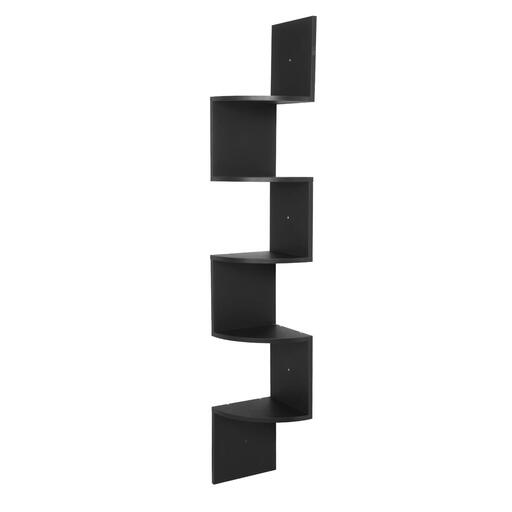
Why This Fits Their Persona: Ideal for city dwellers or those in small rooms who want to turn unused corners into valuable storage without sacrificing floor space.
It solves the problem of impractical dimensions by being specifically designed for corners—an area often left unused by standard shelves. Wall mounting frees up floor space.
Made from E1-grade MDF panels for stability. The invisible mounting system creates a clean, modern look.
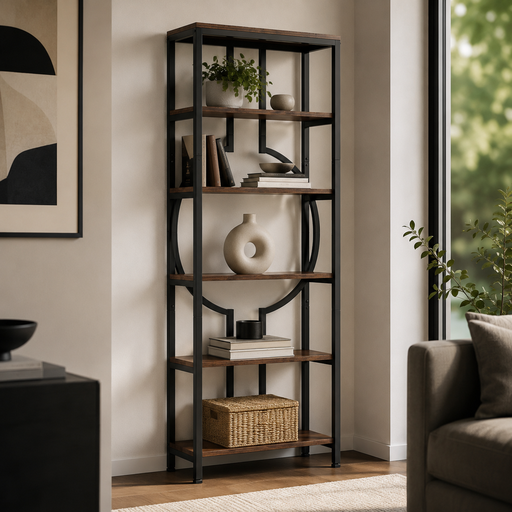
Why This Fits Their Persona: Perfect for anyone who appreciates the urban loft style and is looking for a tall, sturdy shelf for the living room or home office that serves as both a bookcase and a display unit.
It bypasses the instability trap with a solid metal frame and 1.5 cm thick MDF shelves. The specified load capacity of up to 27 kg per shelf prevents sagging.
Six spacious tiers offer plenty of storage. Adjustable feet ensure a stable footing even on uneven floors.
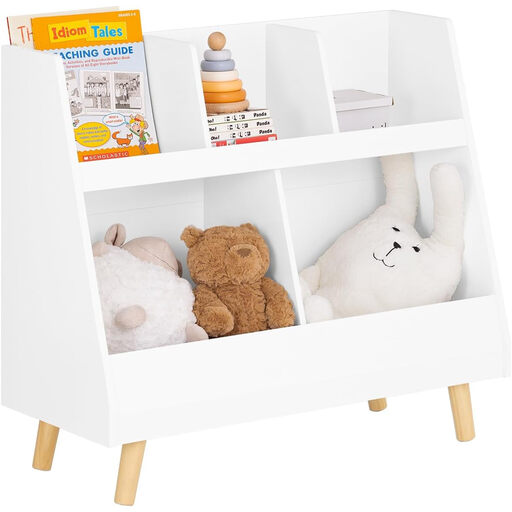
Why This Fits Their Persona: Designed for parents seeking a safe, practical, and child-friendly solution for storing books and toys that promotes independence and tidiness in the kids' room.
This shelf addresses the safety risks of conventional shelves. All corners and edges are rounded to minimise injuries. The low height allows children to access it safely.
Combines open shelves for books with bins for toys. The construction of MDF (E1) and solid pine wood legs is designed for durability.
We have compiled a complete, up-to-date list of products that fully meet these strict selection criteria and German safety regulations.
The load capacity varies greatly depending on the material, construction, and size. It is listed as the "maximum load capacity per shelf" in the product details. A simple floating shelf might only hold 5-10 kg, while a sturdy freestanding shelf or bookcase can support 15 kg, 25 kg, or more per shelf. Always check this specification before buying, especially if you plan to store heavy items like books or binders.
For small rooms, space-saving solutions are ideal. A wall-mounted shelf utilises the room's height without taking up floor space. A narrow shelf fits into tight niches, and a corner shelf turns unused corners into practical storage. Opt for light colours and a minimalist design to avoid making the room feel visually smaller.
The safety of a wall-mounted shelf depends on proper installation. First, identify your wall type (e.g., concrete, brick, drywall). Only use screws and wall anchors that are suitable for your wall. A spirit level is essential for aligning the shelf correctly. Follow the manufacturer's assembly instructions precisely and never exceed the specified maximum load capacity. If you're unsure, it's wise to seek professional help.