
Lieferung heute & morgen

Qualitätsgarantie

Willkommens-Angebote freischalten: KOSTENLOSE Lieferung | Bis zu 80 % RABATT | Kostenlose 30-Tage-JoyPlus-Testphase
App herunterladen
By Joybuy Product Recommendation Officer, August 30, 2026
A high-quality stainless steel milk pitcher is a crucial tool for anyone who wants to prepare creamy microfoam for cappuccinos or latte art at home. However, the market is flooded with products that overpromise and underdeliver. Many coffee enthusiasts invest in a pitcher only to find that its design is unsuitable for precise pouring or that the material fails to hold temperature correctly. This guide highlights the most common pitfalls and explains the objective criteria you should look for to make an informed decision.
Before choosing a model, it's helpful to understand the typical flaws that can render an otherwise simple product useless.
To avoid these mistakes, focus on verifiable product features. These three characteristics are decisive for the functionality and longevity of your milk frothing pitcher.
A good barista pitcher is made of food-grade stainless steel, typically 18/8 or 304 grade. This material is rust-proof, taste-neutral, and robust. Sufficient wall thickness is just as important. It ensures more even heat distribution and gives you more control over the temperature during frothing. The milk should not exceed a temperature of 60–65°C (140-149°F), as the proteins will otherwise curdle. A thicker-walled pitcher acts as a buffer and is more forgiving of minor lapses in attention.
For ambitious home baristas, a sharp, defined, tapered spout is essential. This shape allows for a controlled, fine stream necessary for drawing patterns like hearts or rosettas. Such a milk pitcher for latte art is distinctly different from models with a wide, round spout, which are better suited for simply serving warm milk.
The size of the pitcher should be about twice the volume of the milk you intend to froth. For a single cappuccino (approx. 120–150 ml of milk), a pitcher with a 350 ml capacity is ideal. This size provides enough space for the milk to circulate and increase in volume during frothing without overflowing. A slightly conical shape promotes the creation of a whirlpool ("vortex"), which is conducive to incorporating air and producing fine-pored microfoam.
Here are some product recommendations tailored to different needs and use cases.
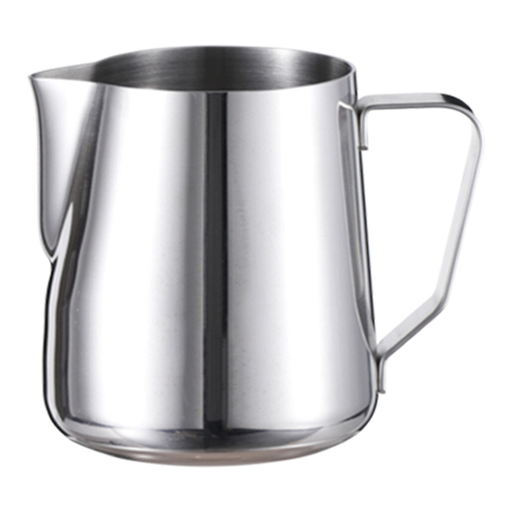
Why This Fits Their Persona: Ideal for anyone taking their first steps into the world of milk frothing. This pitcher provides a solid foundation without breaking the bank. It meets the basic requirements for material and shape to achieve good results.
It forgoes superfluous design elements and focuses on a functional, standard stainless steel shape. This helps it avoid the trap of poorly designed yet expensive alternatives.
Material: Made from stainless steel. Size: The 350 ml capacity is optimal for preparing one to two specialty coffees.
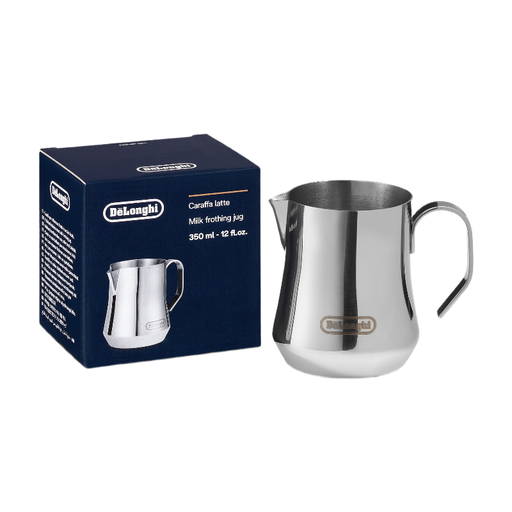
Why This Fits Their Persona: For users who value brand consistency and thoughtful design. This De'Longhi milk pitcher is specifically designed for creating latte art and visually complements the manufacturer's portafilter machines perfectly.
The specially shaped spout and ergonomic handle directly address the common problems of poor control and imprecise pouring. The polished stainless steel finish ensures durability.
Specialised Spout: Ideal for pouring microfoam and creating latte art. Ergonomic Handle: Provides a secure grip and control. The DLSC060 model is also dishwasher-safe.
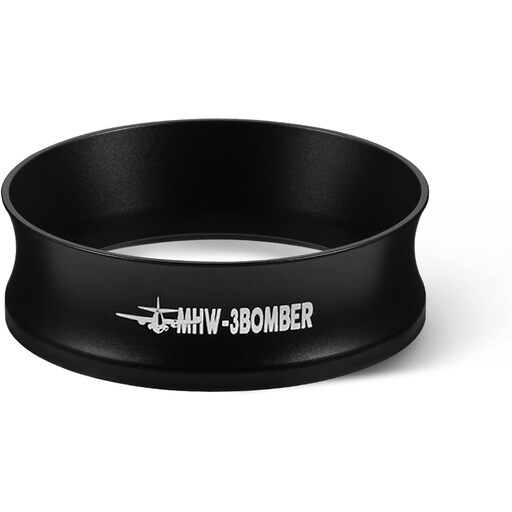
Why This Fits Their Persona: Perfect microfoam requires a perfect espresso base. This dosing funnel is for baristas who want to optimise the entire process. It ensures a clean, loss-free transfer of coffee grounds into the portafilter.
It solves the problem of spilled coffee grounds and uneven distribution—a common source of error that compromises the quality of the final drink before the milk even comes into play.
Magnetic Attachment: Holds securely onto the portafilter. Efficiency: Prevents coffee ground waste and keeps the workspace clean, improving the entire workflow.
We have compiled a complete, up-to-date list of products that fully meet these strict selection criteria and rigorous quality standards.
The ideal size depends on the amount of milk you typically froth. As a rule of thumb, choose a pitcher with a volume about twice that of the milk. For a single cappuccino or latte (approx. 150 ml of milk), a 350 ml pitcher is a great choice. For two drinks at once, a 500 ml or 600 ml model is recommended.
Rinse the pitcher with cold water immediately after use to prevent milk residue from sticking. The best way to remove burnt-on milk residue is to fill the pitcher with warm water and a little washing-up liquid and let it soak for a short time. Most high-quality stainless steel pitchers, like the De'Longhi DLSC060, are also dishwasher-safe, which simplifies cleaning.
Theoretically, yes, but the results will vary greatly. A milk pitcher for latte art is characterised by a narrow, tapered spout. This provides the necessary precision for fine patterns. Pitchers with a wide, round spout are less suitable for creating art, as the foam flows too uncontrollably. A standard pitcher is sufficient to get started, but for more ambitious patterns, a specialised design is advantageous.