
Lieferung heute & morgen

Qualitätsgarantie

Willkommens-Angebote freischalten: KOSTENLOSE Lieferung | Bis zu 80 % RABATT | Kostenlose 30-Tage-JoyPlus-Testphase
App herunterladen
Tuna in brine is a staple in many health-conscious households. It's an excellent source of lean protein, convenient, and incredibly versatile. However, when it comes to buying canned tuna, consumers often face a dizzying array of choices. Different brands, prices, and labels make the selection process difficult. This guide will help you avoid the common pitfalls and make an informed decision.
Many products seem identical at first glance, but the differences are in the details. Those who overlook them often pay more for lower quality.
To ensure you get a high-quality oil-free tuna that suits your needs, you should check three core parameters.
A direct comparison is only possible if you calculate the price per 100 grams of drained weight. To do this, divide the total price of the can by the specified drained weight in kilograms. This will quickly show you which product offers the most fish for your money. A protein-rich tuna with a high drained weight is often the more economical choice.
The quality and texture depend heavily on the cut:
The most common species used for tuna in brine is Skipjack tuna (Katsuwonus pelamis), which is prized for its mild flavour and firm consistency.
For a healthy tuna, two values on the nutrition label are particularly relevant:
Here are some recommendations tailored to different requirements and use cases.
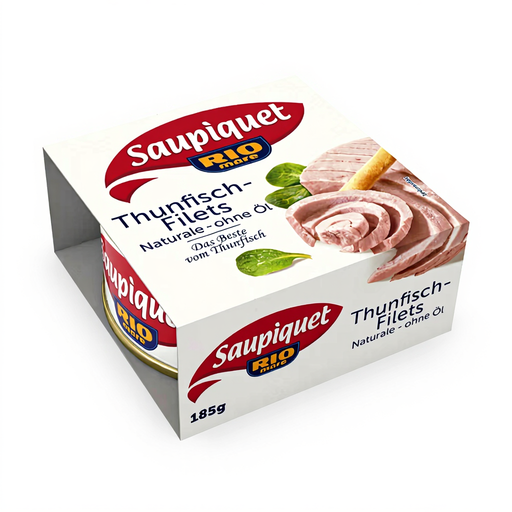
Why This Fits Their Persona: Ideal for a high-protein post-workout meal or as a building block for a fitness-oriented diet. The clear nutritional information allows for precise macronutrient tracking.
The product clearly declares a drained weight of 130g, so the buyer knows exactly how much fish they are getting. The "Fillets" designation promises firm, high-quality pieces.
High protein content of 24 g per 100 g with only 0.5 g of fat. The ingredient list is minimalist and transparent, containing only tuna, water, and salt.
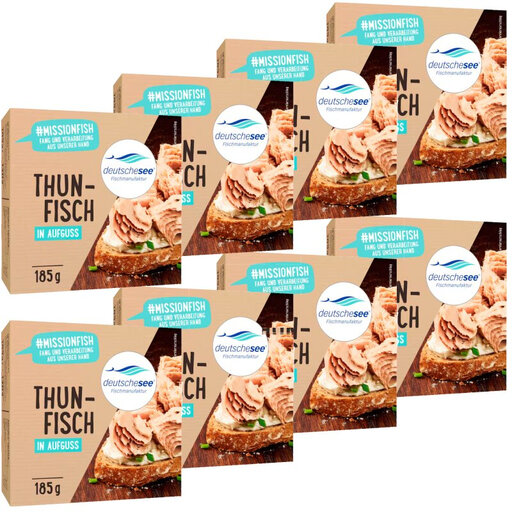
Why This Fits Their Persona: Perfect for families, shared apartments, or individuals who enjoy meal prepping. The multi-pack ensures a quick and healthy protein source is always on hand.
Buying in bulk optimizes the value for money per can. You get consistent quality and don't have to make frequent individual purchases.
Very high protein content of approx. 26 g per 100 g. According to the manufacturer, the product comes from MSC-certified sustainable fisheries.
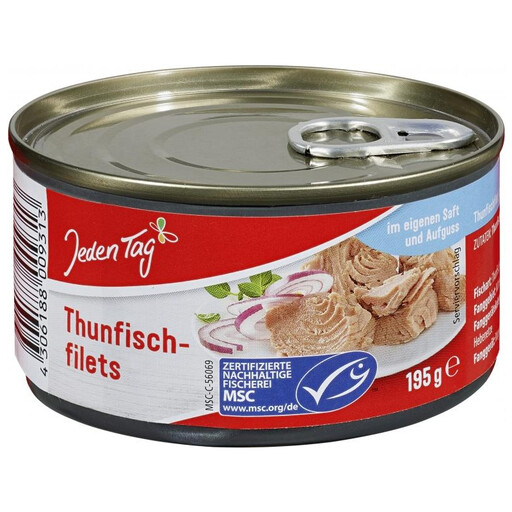
Why This Fits Their Persona: This option provides a solid foundation for a wide variety of dishes. The cut fillets are firm enough for salads but can also be easily broken up for sauces or casseroles.
The "cut fillets" description is precise, preventing the disappointment of getting a mushy texture instead of firm pieces. The good ratio of net to drained weight ensures fair value.
An exceptionally high protein content of 26 g per 100 g makes this product a nutrient-dense base for creative culinary experiments. The salt content is moderate at 1.1 g.
We've compiled a complete, up-to-date list of products that fully meet these strict selection criteria and UK/EU regulations.
Tuna in brine (or water) contains significantly less fat and fewer calories than tuna in oil. While the oil (often sunflower or olive oil) adds extra calories and fats, the brine preserves the pure flavour of the fish with minimal fat content. Therefore, for a low-fat, high-protein diet, the brine version is generally the more suitable choice.
Unopened cans of tuna can be stored for several years in a cool, dry place. The exact best-before date is printed on the can. Once opened, any unused contents should be transferred to a non-metallic container (e.g., glass or plastic), stored in the refrigerator, and consumed within two days.
Look for sustainability seals on the packaging. The most well-known is the blue logo of the MSC (Marine Stewardship Council). It certifies fisheries that operate sustainably, protect fish stocks, and minimise their impact on the marine ecosystem. The fishing method listed on the can also provides guidance. Methods like "Pole & Line" are considered more sustainable than purse seines without special protective measures.