
Lieferung heute & morgen

Qualitätsgarantie

Willkommens-Angebote freischalten: KOSTENLOSE Lieferung | Bis zu 80 % RABATT | Kostenlose 30-Tage-JoyPlus-Testphase
App herunterladen
Choosing a water filtration system is an important step toward more conscious water consumption. However, the market is crowded and full of promises. As your Joybuy Product Recommendation Officer, I'm here to help you separate fact from marketing hype. In this guide, we'll focus on common pitfalls and the crucial criteria you should know before buying a Waterdrop reverse osmosis system or a replacement filter.
Many well-intentioned purchases end in frustration because essential details were overlooked. Pay close attention to these three points to avoid a bad investment:
To make the right choice, don't be swayed by marketing terms; focus on verifiable technical specifications. Here are the three most important aspects.
The heart of any Waterdrop reverse osmosis system is the membrane. A high-quality RO membrane with a pore size of 0.0001 microns is capable of reducing a wide variety of substances from tap water. These include total dissolved solids (TDS), heavy metals like lead and arsenic, chlorine, fluoride, and PFOA/PFOS.
Look for independent certifications like NSF/ANSI 58 (for TDS reduction) and NSF/ANSI 372 (for lead-free materials). These standards provide objective confirmation of performance and material safety and are a more reliable indicator than mere advertising claims. Such a water filter for contaminants provides a solid foundation for purer drinking water.
Choosing the right format depends on your available space and installation preferences.
A crucial factor for day-to-day satisfaction is maintenance. Modern systems allow for tool-free replacement of filter cartridges in just a few seconds. Before deciding on a model, you should check how easy the process of changing a Waterdrop filter is. Also, find out about the specific replacement filters for your desired system, such as the Waterdrop G3 filter, and their recommended replacement intervals.
To help you choose, we have matched some products based on different user requirements.
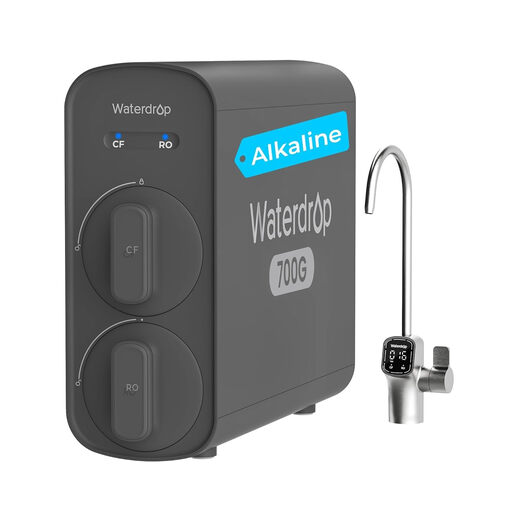
Why This Fits Their Persona: Ideal for users seeking a comprehensive under-sink solution with high performance and added water enhancement. The tankless design saves space, and the mineralisation stage appeals to health-conscious users.
The NSF/ANSI 372 certification for lead-free materials provides an objective quality guarantee. The filter lifespan is clearly communicated and can be tracked via a smart LED indicator on the faucet.
8-stage filtration, including alkaline mineralisation to enrich the water with minerals. High flow rate of 700 GPD (Gallons Per Day) and a water-saving 2:1 pure-to-drain ratio.
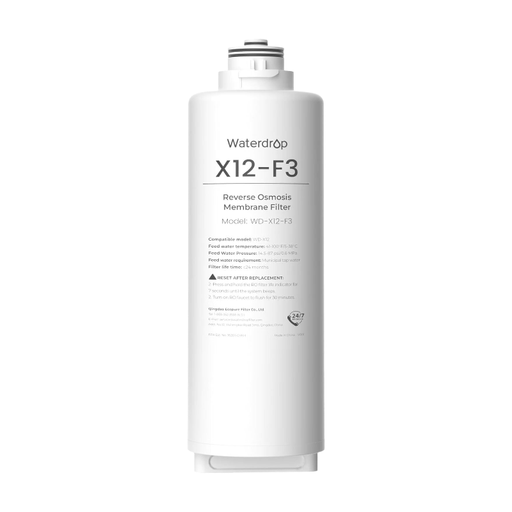
Why This Fits Their Persona: This replacement filter is specifically for owners of the high-performance X12 series who have high water demands and value maximum efficiency and a long lifespan for the core filter.
With a 24-month lifespan, this filter offers predictable and low running costs. The 3-second tool-free change prevents complicated maintenance and ensures system performance.
NSF/ANSI 58 & 372 certified 0.0001μm RO membrane for effective contaminant reduction. Supports a high flow rate of 1200 GPD and a water-saving 3:1 ratio.
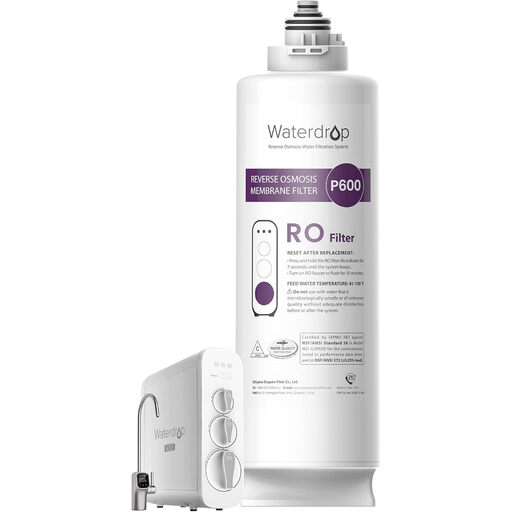
Why This Fits Their Persona: This filter is the exact solution for owners of the proven WD-G3P600 system. It meets the specific need for a certified, long-lasting, and easy-to-change main RO filter.
Clear compatibility with only the WD-G3P600 system prevents incorrect purchases. The lifespan of up to 24 months is a reliable figure that helps in calculating long-term operating costs.
NSF/ANSI 58 & 372 certified for proven TDS reduction and material safety. The tool-free, 3-second twist-and-pull mechanism makes filter changes extremely straightforward.
We've compiled a complete, up-to-date list of products that fully meet these strict selection criteria and safety regulations.
The replacement frequency depends on the specific filter type and your local water quality. Composite filters (like pre-sediment and carbon block filters) often need to be changed every 6 to 12 months. The central RO membrane typically has a longer lifespan of up to 24 months. Always follow the manufacturer's instructions and your system's filter life indicator for optimal performance.
Yes, most Waterdrop systems, especially the under-sink models, are designed for DIY installation. They come with detailed instructions and often video tutorials as well. Connection is usually made via standard fittings to the cold water line. For countertop systems, no installation is required at all.
A reverse osmosis system is designed to reduce the majority of total dissolved solids (TDS) in water. This includes salts, minerals, and a wide range of contaminants such as lead, arsenic, chromium, fluoride, chlorine, pesticides, and pharmaceutical residues. Some systems, like the alkaline water filter, specifically add beneficial minerals back into the water after filtration.