
Lieferung heute & morgen

Qualitätsgarantie

Willkommens-Angebote freischalten: KOSTENLOSE Lieferung | Bis zu 80 % RABATT | Kostenlose 30-Tage-JoyPlus-Testphase
App herunterladen
A good cutting board is the foundation of any kitchen. The value of a thoughtful design becomes especially clear when juicy tomatoes, a roast, or a ripe watermelon are on the menu. A wooden cutting board with a juice groove is the ideal solution for keeping your work surface clean and dry. However, the market is flooded with products of widely varying quality. Before you make a decision, it's important to know the typical weaknesses that can quickly turn a supposed kitchen helper into a real nuisance.
Many buyers focus on aesthetics while overlooking crucial functional flaws. Watch out for these three common problems to avoid a bad investment:
To ensure your new wooden kitchen board is a durable and functional addition to your kitchen, you should check the following parameters.
The choice of material directly impacts its longevity, hygiene, and how gentle it is on your knife blades.
The juice groove is the key feature for anyone who regularly prepares juicy foods. A well-designed groove should be deep and wide enough to collect the liquid from a medium-sized roast or several tomatoes. A carving board for meat benefits from an especially generous groove. Additional features like integrated handles make it easier to transport from the workspace to the table, which is particularly advantageous for a large wooden serving board.
Instead of making a one-size-fits-all recommendation, we have identified products that suit different needs and cooking styles.

Why This Fits Their Persona: This set is ideal for home cooks looking for a versatile solution for everyday use. With three different sizes, there's a suitable board for every task—from chopping vegetables to carving meat—without making a mess on the countertop.
The integrated juice groove reliably catches liquids. According to the manufacturer, the carbonisation process reduces moisture absorption, thus preventing the typical warping seen in wooden boards.
A set of three practical sizes for maximum flexibility; each board features a juice groove and integrated handles for easy handling.
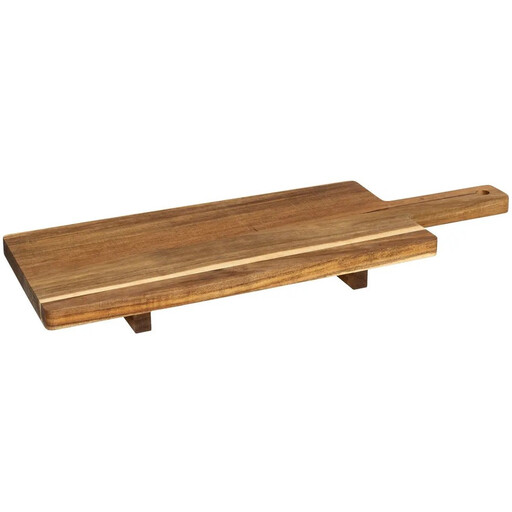
Why This Fits Their Persona: Perfect for those who love to entertain guests and need a large cutting board that doubles as an impressive wooden serving board for cheese, cold cuts, or an entire roast.
This board features a continuous, solid surface for a flawless presentation, intentionally omitting a juice groove. It is made of solid acacia wood, thus avoiding the warping issues of cheaper composite boards.
Very large surface area (70 cm) for generous arrangements; the natural grain of the acacia wood provides an appealing aesthetic.
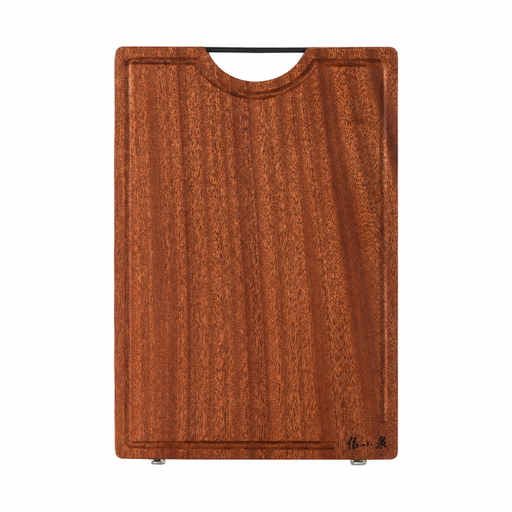
Why This Fits Their Persona: For cooks who prefer a classic, sturdy cutting board made from a single piece of solid wood. It is excellent for the daily preparation of vegetables and dry ingredients.
As a solid piece of wood, it avoids problems with separating glue seams that can occur with cheaper, laminated boards. The simple, flat design is easy to clean but does not include a juice groove.
Durable construction from solid wood; classic, functional design for everyday use.
If you prefer other designs or materials, we have compiled a broader selection of products that meet our criteria for functionality and material quality.
Proper care is crucial for longevity. Clean the board by hand after use with warm water and mild soap. Never put it in the dishwasher, as the heat and moisture can cause the wood to warp and crack. Let it air dry standing up so that all sides dry evenly. About once a month, rub the board with a food-safe mineral oil to nourish the wood and protect it from drying out.
For a cutting board for meat or other juicy foods, dense hardwoods like acacia, oak, or maple are a good choice as they are robust and naturally more hygienic. Bamboo is a very hard and sustainable alternative that also absorbs little liquid. The choice ultimately depends on personal preference regarding hardness, appearance, and maintenance.
Bamboo is a very hard material, often harder than many types of wood. This makes a bamboo cutting board extremely durable and resistant to deep cuts. However, this hardness can cause high-quality knife blades to lose their sharpness slightly faster than on softer woods like maple or cherry. For most household knives, however, the difference is minimal in everyday use.