
Lieferung heute & morgen

Qualitätsgarantie

Willkommens-Angebote freischalten: KOSTENLOSE Lieferung | Bis zu 80 % RABATT | Kostenlose 30-Tage-JoyPlus-Testphase
App herunterladen
A 4K vlogging camera should capture great footage on the go, focus quickly and work without a complicated set-up. In practice, though, choosing a camera often comes down to more than resolution. Inadequate stabilisation, unsuitable accessories or unrealistic image quality claims can all lead to disappointment.
Whether you’re making a vlog, travel video, family film or social media clip, what matters is how you’ll actually use the camera. That’s why our selection takes technical specifications, ease of use and everyday situations into account.
Figures such as 56 MP, 64 MP or 80 MP usually refer to photos and say little about video quality. Factors such as sensor size, lens, image processing and bit rate all play a part in video performance. A camera with a smaller sensor may produce more image noise in low light, even if it boasts a high megapixel count.
A 4K action camera or digital camera for beginners may capture sharp stills, yet produce shaky footage when you’re moving. For handheld filming, mechanical gimbal stabilisation, optical stabilisation or well-implemented electronic stabilisation are important features to look for.
A camera for content creators often needs a memory card, spare batteries, a microphone, a handgrip or a small tabletop stand. Check what’s included before you buy. Standard, Creator and bundle versions can vary significantly between models.
4K usually means a resolution of around 3,840 × 2,160 pixels. However, resolution alone doesn’t guarantee consistent exposure or clear night-time footage. A larger sensor can offer more scope in challenging lighting conditions. According to the product specifications, the DJI Osmo Pocket 3 uses a 1-inch CMOS sensor and supports 4K at up to 120 frames per second.
High frame rates are particularly useful for slow-motion footage and dynamic scenes. However, they require more storage and can affect battery life.
If you film while walking, hiking or shooting handheld, look for a camera with image stabilisation. A pocket gimbal camera such as the DJI Osmo Pocket 3 stabilises footage mechanically across three axes. This differs from purely electronic systems, which stabilise the image by cropping it.
A camera with autofocus is just as important. Face or subject tracking can be useful for vlogging, but it doesn’t guarantee that every shot will be in focus. Check the specifications for autofocus, subject tracking and focusing range.
A rotating screen makes it easier to shoot in both portrait and landscape formats. For selfie videos, it’s also important to be able to see the screen clearly. A built-in microphone is fine for spontaneous clips, while an external microphone may be useful in windy conditions, for interviews or when filming outdoors.
Also check:
A waterproof action camera should only be used within the stated conditions. On models with protective covers, make sure the card and battery compartments are fully closed.
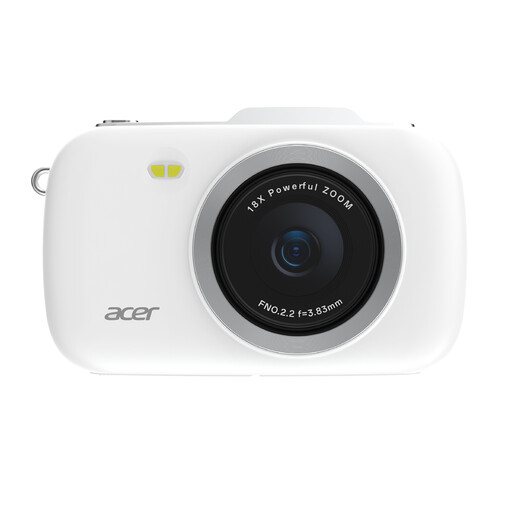
Why this product suits this profile: This compact digital camera is designed for easy operation, photography and trying out vlogging for the first time. Its stated 18x zoom helps you shoot subjects at different distances.
Don’t base your choice on the MP figure alone. Before you buy, check the actual video resolution, memory card support and whether stabilisation is included, and to what extent.
Compact design, stated 4K capability and 18x zoom, according to the product description.
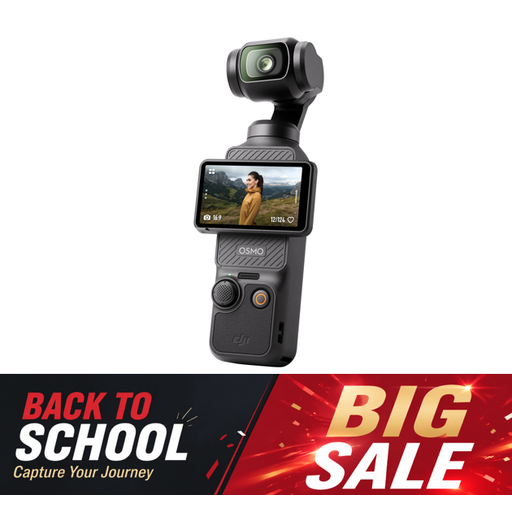
Why this product suits this profile: For regular vlogging, travel and filming on the move, this pocket gimbal camera combines a 1-inch CMOS sensor, a rotating 2-inch screen and mechanical 3-axis stabilisation.
Mechanical stabilisation reduces your reliance on digital cropping. Before you buy, consider battery capacity, a memory card and the microphone you want to use.
1-inch CMOS sensor, 4K/120fps, 3-axis gimbal, autofocus and ActiveTrack, according to the product specifications.
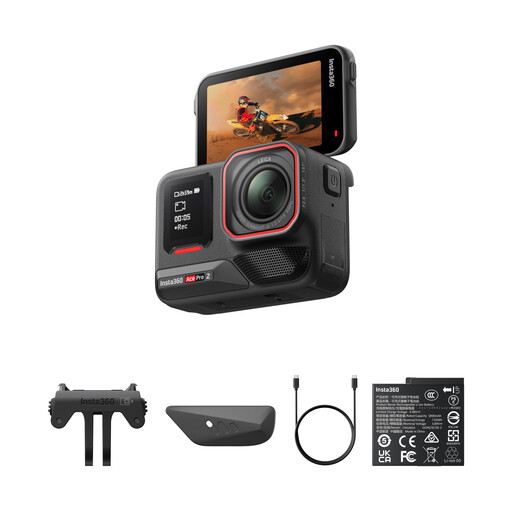
Why this product suits this profile: Designed for outdoor and sports enthusiasts, this action camera combines 8K recording, a flip-up screen, electronic stabilisation and a stated underwater housing design.
The stated protection is subject to specific conditions. Before use, check the seals, operating temperature range and accessories required for filming in water.
8K/30fps, 4K/60fps, a flip-up 2.5-inch screen and two batteries in the bundle, according to the product description.
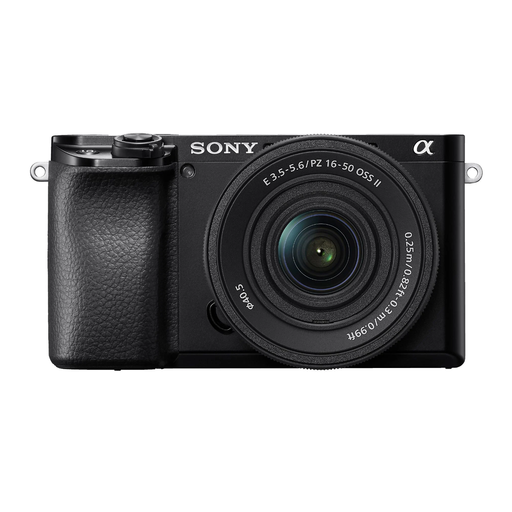
Why this product suits this profile: This mirrorless camera is for anyone who wants to take photos as well as videos, with the option to add other Sony E-mount lenses later.
The interchangeable lens mount gives you room to expand your kit, but also adds weight, cost and a learning curve. Factor these points into your buying decision.
24.2 MP APS-C sensor, 4K video, 16–50 mm lens and stated eye autofocus.
We’ve put together a complete, regularly updated list of products that meet these strict selection criteria and fully comply with the safety regulations in force in the EU.
For travel, look for a lightweight camera with reliable stabilisation, a rotating screen and easy file transfer. A pocket gimbal camera is well suited to handheld filming on the move. For filming in or around water and for sports, choose an action camera with clearly stated protection.
4K footage takes up considerably more storage than Full HD video. The exact amount depends on the frame rate, codec and bit rate. If you’re going on a longer trip, it’s worth taking a sufficiently large, compatible memory card and a way to back up your footage. Also check whether the camera supports a memory card or uses internal storage.
That depends on the interface and automatic features. A digital camera for beginners with autofocus, automatic exposure and a clear screen can make it easier to get started. Interchangeable-lens cameras offer more creative options, but take more getting used to than a compact camera with a fixed lens.