
Lieferung heute & morgen

Qualitätsgarantie

Willkommens-Angebote freischalten: KOSTENLOSE Lieferung | Bis zu 80 % RABATT | Kostenlose 30-Tage-JoyPlus-Testphase
App herunterladen
Rising electricity prices and a desire for greater independence from the public grid are motivating more and more people in Germany to consider generating their own power. A balcony solar system, also known as a plug-in solar system, offers a straightforward and effective way to lower your electricity bill and contribute to the energy transition. This article serves as a guide, presenting various options to help you choose the right solution for 2026.
The decision to buy a complete balcony solar kit depends on several factors. To make an informed choice, consider the following points.
Power rating is a common point of discussion. A 900W balcony solar system typically refers to the total output of the solar panels (measured in Watt-peak, Wp), for example, two 450 Wp panels. The inverter, which converts the direct current (DC) from the panels into grid-compliant alternating current (AC), is crucial for the power you feed into your home. In Germany, the maximum feed-in power for systems registered under the simplified process is limited to 800 watts.
However, having a panel output higher than 800 Wp is still beneficial. It ensures that the inverter's 800-watt limit is reached earlier and maintained for longer, even in non-optimal light conditions (e.g., on cloudy days or in the morning/evening). This maximises your yield throughout the year. Therefore, pay close attention to the interplay between the solar panels and the inverter.
An all-in-one kit is the most practical solution for beginners. Check carefully what is included in the package. A standard kit should contain:
Mounting brackets for balcony railings, fa?ades, or ground installation are often sold separately, as requirements vary depending on the installation site. The installation is generally straightforward, allowing you to start generating electricity right on your balcony.
Since the adoption of the Solar Package I, the process has been significantly simplified. A balcony solar system only needs to be registered in the Market Master Data Register (MaStR) of the Federal Network Agency. This is a short, digital process. Additional registration with the grid operator is no longer required in most cases.
Here is a selection of products that cater to different needs for residential solar energy use.
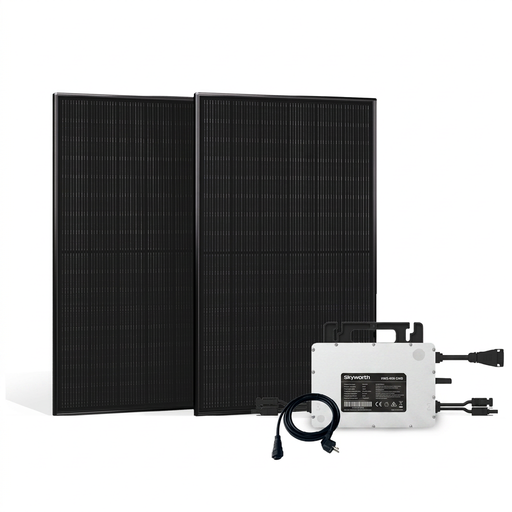
Why It Stands Out This kit is a classic plug-and-play solution, perfectly tailored for users looking for a high-performance 900W balcony solar system. It combines a high total panel output of 900 Wp with an inverter limited to 800 W, thus complying with legal requirements while optimising yield. The "All Black" design of the panels ensures a discreet and modern aesthetic on your fa?ade or balcony.
Advantages
Who Is It For? For apartment dwellers and homeowners looking for a straightforward, powerful, and visually appealing balcony solar system to start reducing their electricity costs immediately.
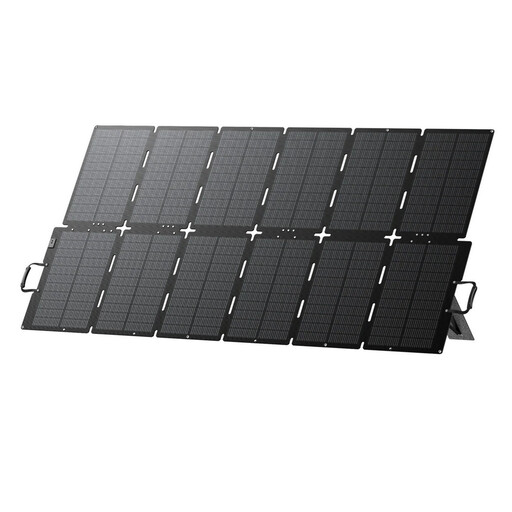
Why It Stands Out The BLUETTI SORA 500 is not a traditional balcony power station, but a single, foldable, and very powerful solar panel. It is aimed at users who need flexibility. When combined with a compatible power station (portable power storage), it can create a self-sufficient power system for camping, the garden, or as an emergency power supply.
Advantages
Who Is It For? For users who already own a power station or prefer a mobile and flexible solar solution for various locations (e.g., RV, allotment garden, emergencies) instead of a permanently installed mini PV system.
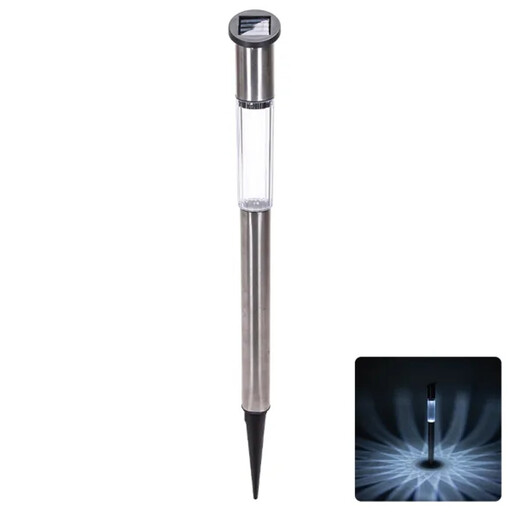
Why It Stands Out This solar light represents a simple and cost-effective way to harness the power of the sun for decorative purposes. It's not designed to reduce your electricity bill, but to provide atmospheric lighting for paths, gardens, or balconies—completely without wires or electricity costs.
Advantages
Who Is It For? For anyone looking for a simple entry into solar technology or wanting to enhance their outdoor space with low-maintenance, solar-powered lighting without installing a larger system.
A balcony power station is primarily for generating electricity. If your focus is on illuminating outdoor areas like entrances, patios, or garden walls, there are specialised solutions available.
For decorative and functional lighting that is permanently mounted, explore our selection of outdoor solar pillar lights and find the perfect addition to your home.
The designation usually refers to different components. An "800W balcony solar system" can refer to the output of the inverter or the panels. A "900W balcony solar system" typically denotes the total output of the solar panels (e.g., 2 x 450 Wp). In Germany, combining 900 Wp of panel power with an 800 W inverter is a common and yield-optimised configuration, as the legal feed-in limit is 800 W.
Yes, a simplified registration in the Market Master Data Register (MaStR) of the Federal Network Agency is required for legal operation. The process is completed online in just a few minutes and is free of charge.
The annual electricity yield depends heavily on the geographical location, the orientation of the panels, and local weather conditions. Under typical conditions in Germany, a south-facing 900Wp mini PV system can generate approximately 800 to 900 kilowatt-hours (kWh) of electricity per year. This can cover a significant portion of a household's baseline energy consumption.