
Lieferung heute & morgen

Qualitätsgarantie

Willkommens-Angebote freischalten: KOSTENLOSE Lieferung | Bis zu 80 % RABATT | Kostenlose 30-Tage-JoyPlus-Testphase
App herunterladen
Finding the right lunch box for adults can be a challenge. Whether for the office, university, or on the go, the requirements are diverse. A good adult lunch box should not only be practical but also keep your meals fresh and secure during transport. As your Joybuy Product Recommendation Officer, I've reviewed various models and their features to offer you some guidance. This guide introduces different types of food containers and explains what to look for when making your choice.
Before you make a decision, there are several functional aspects to consider. The right choice largely depends on your personal eating habits and daily routine.
The material is a crucial factor for durability, safety, and functionality.
The practical features determine how well a lunch box fits into your daily life.
Here is a selection of lunch boxes that stand out for their specific features and use cases.

Why it stands out: This model is designed as a classic insulated food container. The vacuum insulation between the stainless steel walls is intended to maintain the temperature of food over an extended period.
Advantages:
Who is it for? This container is a great choice for individuals who take hot meals like soups, stews, or curries and don't have access to a microwave. The included bag enhances carrying convenience.
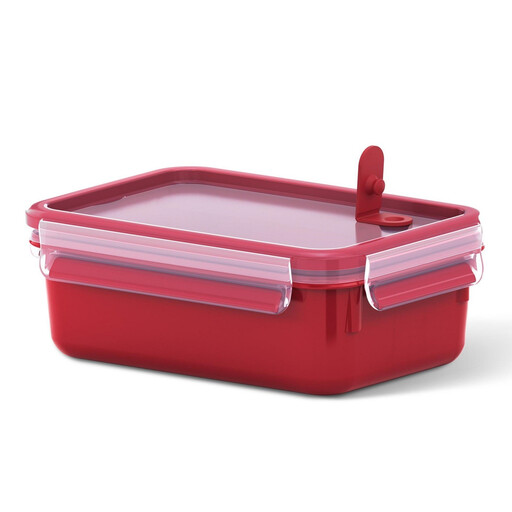
Why it stands out: The special feature of this box is the valve in the lid, which allows for heating in the microwave without removing the lid. This prevents splatters and ensures even heating.
Advantages:
Who is it for? Ideal for professionals and students who want to heat their pre-prepared meals directly in the container. Its leak-proof feature makes it a reliable food container for work.
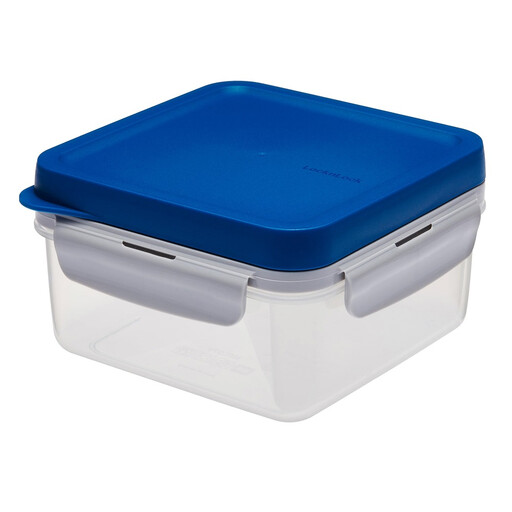
Why it stands out: This Bento Box is distinguished by its modular system with three removable compartments and a complete accessory set. It offers maximum flexibility in meal composition.
Advantages:
Who is it for? Perfect for anyone who values a varied and well-organised meal. The separation of components keeps everything fresh, and the included accessories make it a practical all-in-one solution.
The models presented already cover many use cases. However, if the right solution for your needs isn't here, or if you're looking for a specialised version like a freezer-safe bento box, you can find more models in our range.
Discover the full selection of food containers here.
BPA (Bisphenol A) is a chemical compound used in the production of certain plastics, such as polycarbonate. For food containers, there is a growing trend towards using BPA-free materials like polypropylene (PP) or Tritan, as there are concerns that BPA could leach into food under certain conditions. The BPA-free label gives consumers the confidence that they are purchasing a product made without this specific chemical.
Proper care is important to ensure the longevity of the seals. First, check the manufacturer's instructions to see if the box is dishwasher-safe. It is often recommended to clean lids and seals in the top rack of the dishwasher or to wash them by hand. If possible, occasionally remove the silicone seal and clean it separately to remove any residue and maintain its tightness.
In a standard lunch box without special insulation, this is not recommended, as the temperatures will quickly equalise. A lunch box with compartments separates the food spatially, but not thermally. For the simultaneous transport of hot and cold food, special containers with separate, insulated chambers are required, which are less common. An alternative is to use two separate containers: one insulated food container for hot items and a simple box for cold foods like salad.