
Lieferung heute & morgen

Qualitätsgarantie

Willkommens-Angebote freischalten: KOSTENLOSE Lieferung | Bis zu 80 % RABATT | Kostenlose 30-Tage-JoyPlus-Testphase
App herunterladen
Fine lines, dry skin, reduced elasticity or an uneven complexion often lead people to search for the right anti-ageing facial skincare. The choice ranges from a lightweight anti-ageing serum to a rich face cream for wrinkles. However, a high price, striking packaging or terms such as “lifting” alone say little about whether a product is suitable for your skin and daily routine.
Collagen, peptides, retinol and hyaluronic acid are common ingredients in anti-wrinkle skincare. Simply mentioning them, however, is not proof of a specific effect. What matters is the complete INCI list, the concentration – where stated – and how well the overall formulation is tolerated.
A collagen serum may be particularly appealing as a moisturising skincare product. With a retinol serum, on the other hand, frequency of use, sun protection and gradual acclimatisation are important. Claims such as “reduces wrinkles” should be understood as cosmetic claims made by the manufacturer, not as medical assurances.
Introducing retinol, acids, vitamin C products and heavily fragranced skincare all at once can place unnecessary strain on the skin. Especially if your skin is dry or mature, a simple routine is often easier to understand and follow:
New active ingredients should initially be used in small amounts and at low frequency. If redness, stinging or persistent irritation occurs, stop using the product temporarily.
Many products are applied only to the face, even though the neck can also feel dry or lose elasticity. If you are looking for a lifting cream for the face and neck, check the application instructions carefully. A cream is not automatically suitable for every area of the body simply because it is marketed as anti-ageing skincare.
Dry, mature skin often benefits from creamier formulations containing oils, shea butter or skin-conditioning lipids. For combination skin, a lightweight gel or serum may feel more comfortable. A rich cream is not automatically suitable for every skin type.
Packaging and storage are also important for retinol. Airtight or light-protective containers can help shield the formulation from external influences. The information on the packaging, the expiry date and the recommended period after opening remain the deciding factors.
Before buying, check at least the following points:
A facial massager with EMS, heat, cooling or LED functions requires additional care. During pregnancy, if you have a pacemaker or metal implants, or if you have damaged skin or known skin conditions, follow the safety instructions for the specific device.
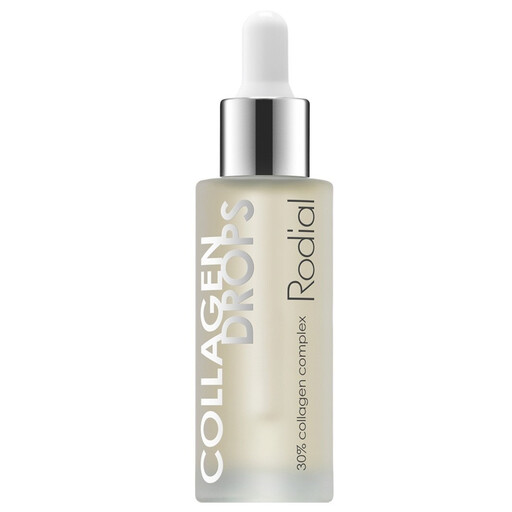
Why this product suits the profile: Add two to three drops to your existing morning or evening routine, then follow with a face cream.
The INCI list includes soluble collagen, panthenol, almond oil and Sodium Hyaluronate. This makes it possible to assess the moisturising care based on specific ingredients.
Fluid texture, 31 ml content and application to the face and neck in accordance with the product instructions.
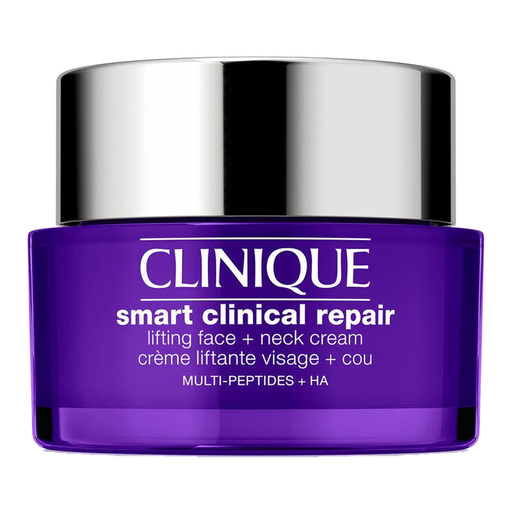
Why this product suits the profile: The cream is expressly intended for the face and neck, making it suitable for users who want to combine serum and cream in just a few steps.
The ingredients list includes several peptides, shea butter, jojoba oil, glycerin and Sodium Hyaluronate, rather than promoting just a single active ingredient.
50 ml content, morning and evening application, and a rich cream base containing several peptide compounds.
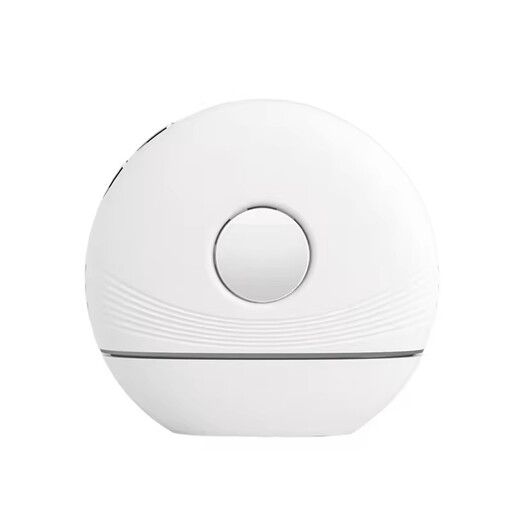
Why this product suits the profile: This device is designed for people who want to complement their facial skincare with massage, heat, cooling or EMS functions.
The technical specifications state three modes, three intensity levels, USB charging, an 800-mAh battery and a usage time of around 70 minutes.
ABS and zinc alloy construction, an ergonomic 85-degree design, plus heat, cooling, LED and EMS functions.
We have put together a complete, regularly updated list of products that fully meet these strict selection criteria and the safety regulations applicable in the EU.
Creamy formulations containing glycerin, hyaluronic acid, oils, shea butter or ceramides may be suitable for dry skin. A serum alone does not always replace a final moisturiser. If you have sensitive skin, fragrances and an excessive number of active ingredients should be assessed carefully.
How long it lasts depends on the amount of product, dosage and frequency of use. A 30-ml serum will generally last longer than a 10-ml product when only a few drops are used per application. The expiry date, PAO symbol and storage instructions on the packaging are binding. Retinol products should be protected from heat and light.
This is generally a common skincare routine: apply retinol to cleansed skin in the evening, followed by a moisturising product. Starting slowly reduces the risk of overloading or irritating the skin. Acids, other retinoids or highly active products should not be added without a coordinated usage plan. If you are unsure or have existing skin concerns, consulting a dermatologist is advisable.