
Lieferung heute & morgen

Qualitätsgarantie

Willkommens-Angebote freischalten: KOSTENLOSE Lieferung | Bis zu 80 % RABATT | Kostenlose 30-Tage-JoyPlus-Testphase
App herunterladen
By Joybuy Product Recommendation Officer, August 29, 2026
An in-sink food waste disposer promises a clean, hygienic kitchen free from the unpleasant odours of a rubbish bin. However, the path to the right choice is often paved with marketing promises that can lead to disappointment. Before you make a decision, it's crucial to understand the common pitfalls that can lead to unnecessary costs or an unsatisfactory outcome.
Many buyers invest in units that are either oversized for their needs or lack fundamental quality features. Here are three typical problems to watch out for:
To make an informed decision, you should focus on the core technical features that truly matter. These determine the longevity, efficiency, and user-friendliness of your appliance.
The power of a food waste disposer is measured in horsepower (HP). Instead of blindly going for the highest number, you should match the power to the size of your household:
Also, pay attention to the motor type. Modern DC permanent magnet motors reach their full speed almost instantly, are often lighter, and consume less energy than older induction motors.
The durability and effectiveness of a kitchen waste disposer depend directly on its grinding system. The crucial criterion here is the material.
A stainless steel grinding system is the standard for high-quality units. Stainless steel is corrosion-resistant and robust enough to withstand constant contact with water and acidic food residues. Cheaper models with components made of galvanized steel are more susceptible to rust and wear, which significantly shortens the appliance's lifespan. Furthermore, a multi-stage grinding system pulverises waste more finely, minimising the risk of pipe clogs.
A user-friendly mounting system can save you time, money, and frustration. Look for models with a "Quick-Lock" or similar quick-connect system. These often allow for a tool-free or at least greatly simplified installation under the sink.
At the same time, sound insulation is a key quality indicator. Manufacturers achieve quiet operation through special insulated housings and vibration-dampening mounting components. Noise level specifications in decibels (dB) can be a useful guide—values around 50 dB are considered comparatively quiet.
Based on these objective criteria, we have identified several products that represent a considered choice for different user profiles and kitchen needs.
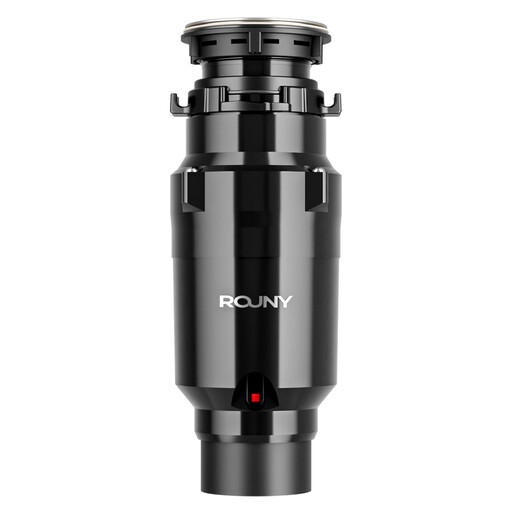
Why This Fits Their Persona: With its 1/2 HP motor, this model is ideal for the daily needs of small to medium-sized households. It offers a balanced combination of power and efficiency without unnecessarily inflating your electricity bill.
It bypasses the power trap with an appropriately sized 1/2 HP motor. The quick-lock system simplifies assembly and avoids hidden installation costs. Its sound insulation (≤50dB according to the manufacturer) addresses the noise issue.
The stainless steel grinding system ensures a long lifespan. The four-point quick-lock mounting system allows for easy installation.
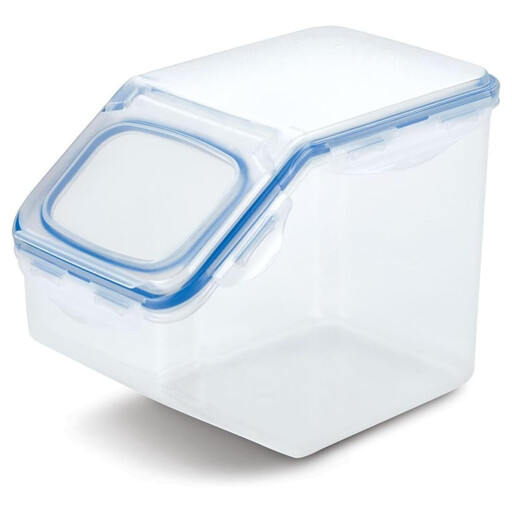
Why This Fits Their Persona: A perfect companion to the food waste disposer. This countertop caddy collects vegetable and fruit scraps during cooking before they are transferred in one go to the disposer. This keeps the work surface clean.
It solves a related problem: the mess of food prep. Instead of throwing waste directly into the sink, which can disrupt workflow, it is stored cleanly and odour-free until you're ready.
The airtight lid securely seals in odours. The container is transparent for easy content monitoring and dishwasher-safe for hygienic cleaning.
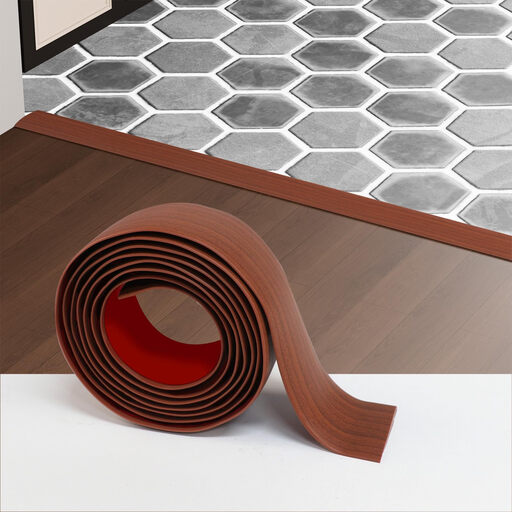
Why This Fits Their Persona: For DIYers modernising their kitchen, the devil is in the details. After installing a new sink or appliance, this strip provides a clean and safe finish on the floor.
It prevents the trap of an unfinished look or potential trip hazards after a renovation. Instead of leaving open gaps, it creates a professional and secure transition.
The self-adhesive backing allows for quick installation without special tools. The wood grain finish blends seamlessly into many kitchen designs.
The legal situation in Germany is not uniform. The discharge of ground kitchen waste into the public sewer system is governed by the respective municipal wastewater ordinance. In some cities and municipalities, their operation is permitted, while in others it is prohibited or requires a permit. It is essential that you check the local regulations with your responsible city or municipal administration (water authority/civil engineering office) before purchasing and installing a unit.
Although modern units can handle a lot, there are some items you should avoid to prevent damage to the appliance and your drain pipes:
The lifespan depends heavily on the quality of the unit and the frequency of use. A high-quality model with a stainless steel grinding system can last between 8 and 15 years with proper care and use. Regularly flushing with cold water during operation and avoiding unsuitable waste significantly contribute to its longevity.