
Lieferung heute & morgen

Qualitätsgarantie

Willkommens-Angebote freischalten: KOSTENLOSE Lieferung | Bis zu 80 % RABATT | Kostenlose 30-Tage-JoyPlus-Testphase
App herunterladen
By the Joybuy Product Recommendation Officer, Published on July 28, 2026
Anyone who has tried to buy buckwheat noodles online knows the challenge: the selection is vast, the names are varied, and the differences in quality are significant. Vague product descriptions or tempting marketing often lead to a purchase that doesn't meet expectations. This guide will help you avoid the common pitfalls and make an informed decision that suits your culinary needs.
Many consumers invest in what they believe are high-quality Asian noodle specialties, only to find that the product doesn't deliver on its promise. Pay attention to these three points to avoid disappointment.
To find the right noodles, you should focus on objective and verifiable characteristics. The following three parameters are crucial for taste, texture, and use.
The percentage of buckwheat flour (buckwheat content) is the most important criterion. It largely determines the noodle's flavor, color, and nutritional value.
Most soba noodles are a blend of buckwheat and wheat flour. The wheat flour contains gluten, which gives the noodles elasticity and stability, preventing them from falling apart during cooking. Some manufacturers add other ingredients to optimize the texture:
A short and clear ingredient list is usually a sign of a high-quality product.
Pay attention to the manufacturer's preparation instructions. While many noodles are versatile, there are specialists for certain buckwheat noodle recipes.
Instead of making a one-size-fits-all recommendation, we have selected products for different user profiles.
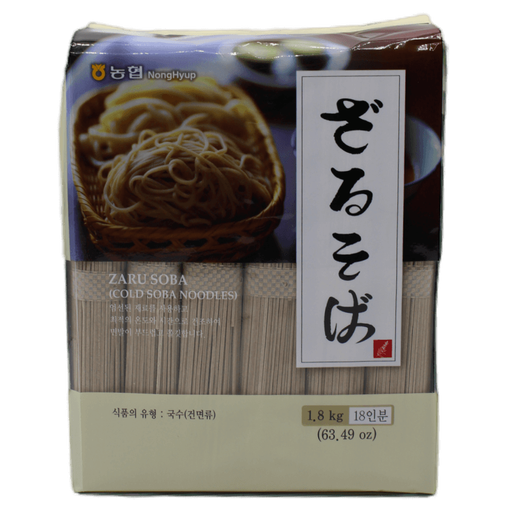
Why It's a Match: Ideal for anyone wanting to prepare authentic Japanese or Korean cold noodle dishes like Zaru Soba or Memil Guksu. The noodles are specifically developed for cold preparation and maintain a pleasantly firm, slightly chewy texture.
The product name "Zaru Soba" clearly indicates its intended use, thus avoiding the "Texture Trap." The 20% buckwheat content is transparently declared.
The 1.8 kg bulk pack offers excellent value for money for households that regularly prepare cold noodle dishes.
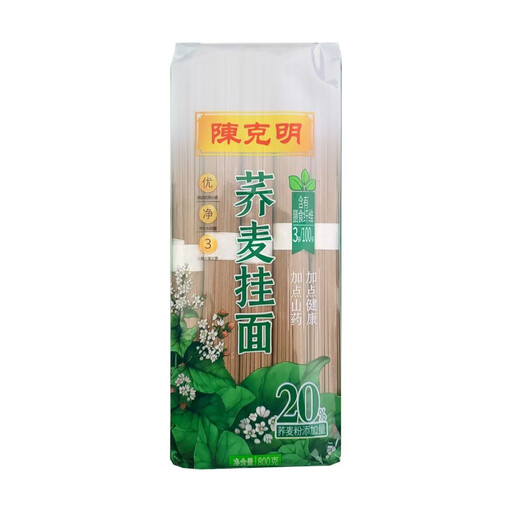
Why It's a Match: For those seeking a healthy noodle alternative with high nutritional value and intense flavor. These noodles are an excellent base for a balanced meal.
With a declared buckwheat content of ≥50%, the "Buckwheat Bluff" is clearly avoided. The ingredient list is transparent, and the nutritional information is detailed.
The high buckwheat content provides a distinct nutty flavor. According to the manufacturer, the fat content is low at 1.7 g per 100 g.
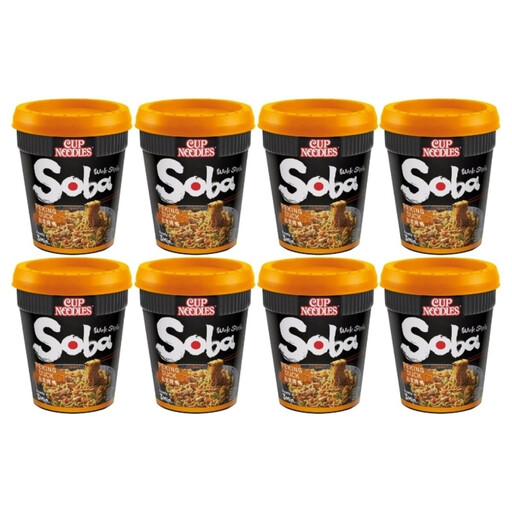
Why It's a Match: Perfect for professionals, students, or anyone looking for a quick and easy meal for the office or at home. It's a complete meal in a cup.
This product is clearly positioned as an instant meal. It doesn't create the false expectation of getting traditional, loose soba noodles. It solves the need for a quick meal.
According to the manufacturer, preparation takes only a few minutes. The sauce and vegetables are already included, which reduces prep time to a minimum.
If you want to compare more **Japanese noodles** or other **Asian noodle specialties**, you can find a wide selection in our main category. There, you can filter specifically by buckwheat content, package size, and other criteria.
You can prevent buckwheat noodles from clumping with the right technique. Use a large pot with plenty of boiling water (about 1 liter per 100 g of noodles). Add the noodles to the rapidly boiling water and stir them gently for the first one to two minutes. Cook the noodles according to the package instructions. For cold dishes, it is crucial to immediately shock the noodles in a bowl of ice water after draining. This stops the cooking process and removes excess starch.
No, most soba noodles are not gluten-free. They typically contain a significant amount of wheat flour, which contains gluten. Only noodles explicitly labeled as "Juwari Soba" (100% buckwheat) are naturally gluten-free. If you have a gluten intolerance, always read the ingredient list on the packaging carefully.
Both terms refer to noodles made from buckwheat. "Soba" is the Japanese name, while "Memil Guksu" is the Korean one. The noodles themselves can be very similar in composition. The main difference often lies in the traditional preparation and the accompanying sauces and broths. In Korea, Memil Guksu often refers to a specific cold noodle soup dish, whereas in Japan, soba is served in many different ways, either cold (Zaru Soba) or hot (Kake Soba).