
Lieferung heute & morgen

Qualitätsgarantie

Willkommens-Angebote freischalten: KOSTENLOSE Lieferung | Bis zu 80 % RABATT | Kostenlose 30-Tage-JoyPlus-Testphase
App herunterladen
Soba noodles are often associated with Japanese cuisine, buckwheat and quick preparation. But when shopping in the UK, it’s worth knowing that not every product with “Soba” in its name contains a high proportion of buckwheat. Some Japanese instant noodles are made mainly from wheat, while classic dried buckwheat noodles need to be boiled for several minutes.
To make sure your purchase suits the way you plan to use it, focus on three things: the ingredients list, the noodle format and the portion size. The tips below can help you avoid common buying mistakes.
Traditional buckwheat noodles combine buckwheat with wheat flour, and the proportions vary from product to product. Jin Sha He, for example, states a buckwheat content of at least 30%, while YunShanBan lists 40%. Other products simply include “Buckwheat Flour” in the ingredients list without making the exact proportion clear.
If you’re looking for a pronounced buckwheat flavour, don’t rely on the product name alone. Check the percentage of buckwheat in the ingredients.
Options such as Yakisoba noodles, Soba Cup Noodles and Japanese instant noodles are designed for quick preparation. According to the ingredients listed for the Nissin products in this selection, their noodle blocks are made mainly from wheat flour. Here, “Soba” refers primarily to the Japanese wok-style dish, rather than indicating a significant buckwheat content.
That doesn’t necessarily make these products unsuitable. They simply serve a different purpose from dried noodles with a stated buckwheat content.
A 90-g cup is ideal for a quick meal for one. A 720-g pack of dried noodles, on the other hand, is better suited to several portions and a range of recipes. Preparation also varies: classic noodles need to be boiled and sometimes rinsed under cold water, while instant products are usually ready to serve after around three minutes of standing time.
Check the order of the ingredients. They’re generally listed by weight, from highest to lowest. A stated proportion, such as 30% or 40% buckwheat flour, makes it easier to compare products. Products with wheat flour as the first ingredient aren’t gluten-free and usually contain a higher proportion of wheat.
If you have an allergy or intolerance, always check the allergen information. Depending on the variety, the products mentioned here contain wheat and/or gluten. Some instant products also list soya and may contain traces of celery, fish, milk, mustard or sesame. Always check the latest information on the packaging before eating.
For cold Soba noodles, rinse them under cold water after cooking. This makes the surface less sticky, so they’re easier to serve with a dipping sauce, vegetables or salad.
With plain dried noodles, you can choose how to season them. Cup and instant products come with sauce included, which can make a significant difference to their nutritional values. For example, Nissin Soba Classic Cup lists 2.0 g of salt per 100 g, while Nissin Soba Yakitori Chicken lists 1.9 g. These figures apply to the specific products, so compare them with the portion size.
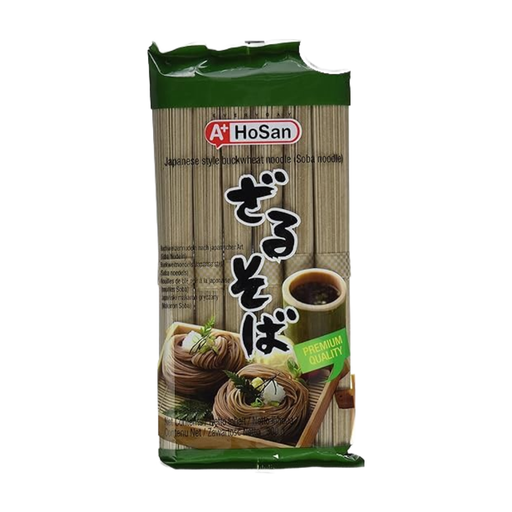
Why this product suits this profile: The 300-g pack is a manageable introduction to dried Japanese Soba noodles and works well in both hot and cold dishes.
The ingredients list clearly names wheat flour and buckwheat flour, making it easier to identify what kind of product you’re buying than with products that simply use “Soba” in their name.
Can be stored dry, cooked in plenty of water and, according to the product information, served with a cold dip or in broth.
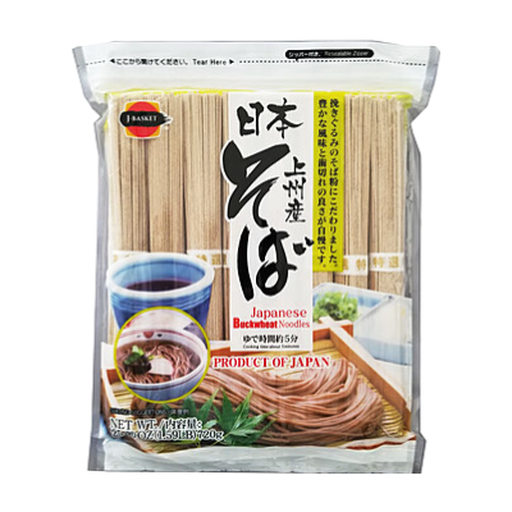
Why this product suits this profile: The 720-g pack from Japan is suited to households that use Soba regularly in a range of recipes.
The pack lists the country of origin, ingredients and storage instructions, along with a five-minute cooking time. Rinse the noodles under cold water after cooking.
720 g pack, stores dry and can be served in cold dishes or warm broth.
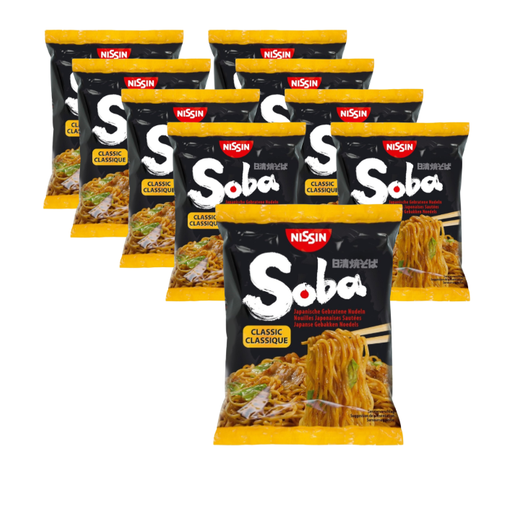
Why this product suits this profile: Nine individual portions and a preparation time of around two to three minutes make this a handy option for the office, shared accommodation or your cupboard at home.
The name “Instant Wok Noodles” makes the intended use clear. According to the ingredients list, these are mainly wheat noodles with seasoning sauce, not pure buckwheat noodles.
Individual portions, sauce included and quick to prepare in a frying pan.
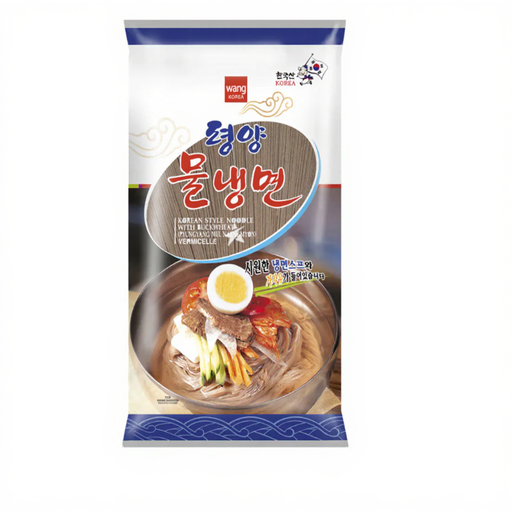
Why this product suits this profile: These Korean buckwheat noodles are designed for cold dishes and come with seasoning. The pack contains six 104-g portions.
The product is clearly described as a cold noodle dish with a seasoning sachet. The cooking time and the instruction to rinse the noodles under cold water afterwards are clearly stated.
624 g total, ready in three to four minutes and comes with a ready-made seasoning base for cold dishes.
We’ve put together a complete, regularly updated list of products that meet these strict selection criteria and the safety requirements in force across the EU.
Generally, no. Many buckwheat noodles are made with wheat flour and contain gluten. Even products with a higher buckwheat content should be checked against the ingredients and allergen information. If you follow a gluten-free diet, choose only products that are explicitly labelled as gluten-free.
Check the packaging for the specific best-before date. Once opened, dried noodles should be stored in a dry place in an airtight or tightly sealed container. Moisture and strong smells can affect their quality.
Boil the noodles in plenty of water, following the instructions on the pack. Drain them and rinse under cold water. Serve with a dipping sauce, vegetables, sesame or broth. Korean varieties often come with a seasoning sachet.