By the Joybuy Product Recommendation Officer, August 30, 2026
The ability to order red wine online offers an impressive variety that goes far beyond your local supermarket shelf. At the same time, the sheer selection can be overwhelming and lead to disappointing purchases. Many wine labels are designed more for marketing than for information. This guide will help you recognise the crucial quality markers and make an informed choice that suits your taste and occasion.
The 3 Most Common Pitfalls of Buying Wine Online
Before we dive into selection criteria, it's important to know the common mistakes that often lead to disappointment.
- Misleading Terms on the Label: Terms like "Riserva," "Reserva," or "Gran Reserva" sound promising, but their meaning is strictly tied to the laws of the specific wine region. A Spanish Reserva is subject to different ageing requirements than an Italian Riserva. Without this knowledge, you might buy a wine whose quality doesn't meet your expectations for a well-aged bottle.
- Price as a Supposed Guarantee of Quality: A high price doesn't automatically correlate with high quality or your personal taste. Often, large marketing budgets or elaborate bottle designs are factored into the price, while the contents fail to impress. A well-structured wine from a lesser-known region can often bring more enjoyment than an overpriced big name.
- High Alcohol Content as the Sole Feature: A high alcohol content can indicate ripe grapes and a warm climate, but it's not the only sign of a "better" or more complex wine. A balanced wine harmoniously integrates alcohol into a structure of fruit, acidity, and tannins. An excessively high, unbalanced alcohol content can make the wine taste unpleasantly "hot" or alcoholic.
What Really Matters: The Decisive Criteria for Buying Wine
To buy the right red wine, you should focus on objective and verifiable parameters.
Grape Variety and Origin: The Foundation of Flavour
The grape variety determines a wine's fundamental flavour profile. Each variety has characteristic traits that vary depending on where it's grown.
- Cabernet Sauvignon: Known for its deep dark colour and bold structure. Typical aromas include blackcurrant, cedar, and sometimes bell pepper. A classic full-bodied red wine often found in Bordeaux blends and in the New World (e.g., California, Australia).
- Merlot: Often softer and fruitier than Cabernet Sauvignon, with aromas of plum, cherry, and chocolate. It is more approachable and has softer tannins, making it a popular choice for beginners.
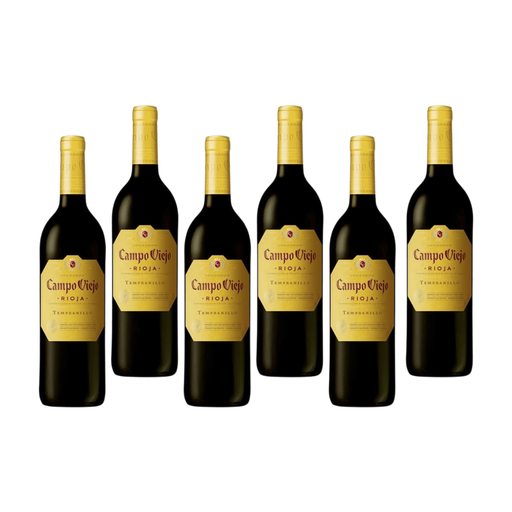
- Tempranillo: The main grape for many Spanish red wines, especially from Rioja. It offers aromas of red fruits, leather, and tobacco. A Spanish red wine made from Tempranillo can range from young and fruity to complex and mature, depending on how it's aged.
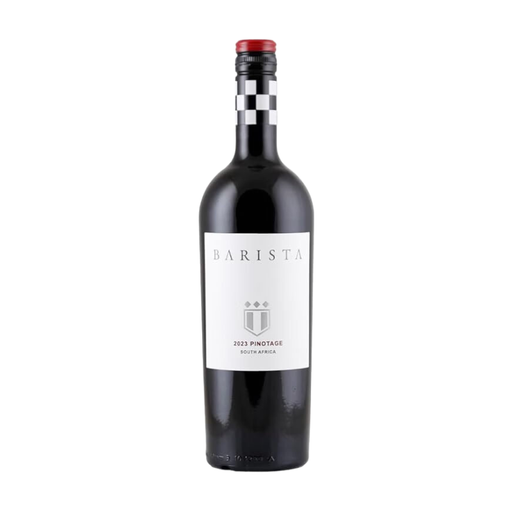
- Pinotage: A South African crossbreed that can produce unique aromas of coffee, smoke, and dark berries. A great example of a characterful South African red wine.
Understanding Flavour Profiles: From Dry to Full-Bodied
The description on the bottle provides important clues about what to expect in your glass.
- Dry Red Wine: This is an official designation for wines with a low residual sugar content (in the EU, usually up to 4 g/l, or up to 9 g/l under certain conditions). Most quality red wines are dry. This doesn't mean they are sour, but rather that there is no perceptible sweetness.
- Fruity Red Wine: Describes wines whose aroma and taste are primarily shaped by fresh or ripe fruit notes (e.g., cherry, berries, plum). This is not an official classification but a sensory description.
- Full-Bodied Red Wine: Refers to a wine with high alcohol content, pronounced tannins, and a full body. Such wines feel rich and intense on the palate.
Quality Levels and Classifications
European wine countries use protected designations of origin to guarantee quality and style. These seals are more reliable than pure marketing terms.
- DOCG (Denominazione di Origine Controllata e Garantita): The highest level for Italian red wine like Chianti Classico or Amarone. It is subject to the strictest production rules and sensory tests.
- DOCa (Denominación de Origen Calificada): The highest Spanish classification, awarded so far only to Rioja and Priorat. It stands for exceptional and consistent quality.
Select Wines by Preference
Here are a few recommendations tailored to different needs and occasions that avoid the pitfalls mentioned above.
MATCH FOR: Beginners and Social Gatherings
Why This Fits Their Persona: Ideal for anyone looking for a straightforward yet characterful wine. It's approachable, smooth, and fruit-forward—perfect for unwinding after work or pairing with tapas and pasta.
How It Avoids the Trap
This wine relies on the dependable quality of the DOCa Rioja and the approachable character of the Tempranillo grape, rather than hiding behind a high price or a vague marketing promise.
Key Advantage & Pros
A balanced profile with aromas of red fruits, vanilla, and spice. Soft tannins make it very smooth-drinking.
MATCH FOR: The Modern Wine Style Explorer
Why This Fits Their Persona: For wine lovers who want to try something new off the beaten path. This South African red wine breaks with convention and offers a distinctive flavour experience.
How It Avoids the Trap
This wine doesn't rely on a famous designation of origin but instead wins you over with a unique, clearly defined flavour profile. You're paying for its innovative character, not for a well-known name.
Key Advantage & Pros
Striking aromas of espresso, mocha-chocolate, and red fruits. A full-bodied wine with a spicy, long finish.
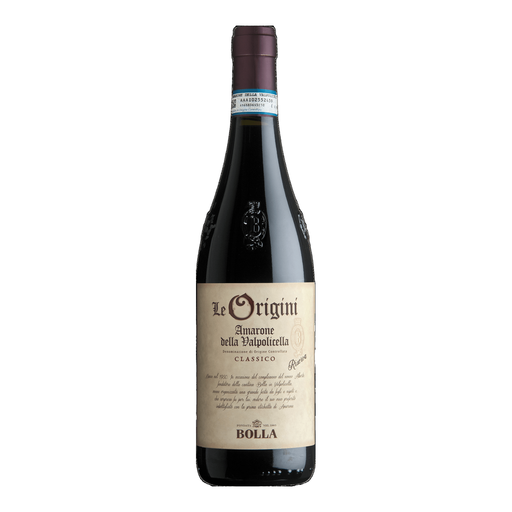
MATCH FOR: The Connoisseur for Special Occasions
Why This Fits Their Persona: For the discerning enthusiast seeking a complex, profound wine for a celebratory meal or as a high-quality red wine gift. A prime example of a great Italian red wine.
How It Avoids the Trap
The price here is justified by the elaborate production method (Appassimento) and the highest quality level, DOCG Riserva. These are verifiable quality markers, not empty promises.
Key Advantage & Pros
Immense aromatic complexity, from wild cherry and jam to vanilla and chocolate. A full-bodied, harmonious, and complex wine with a high alcohol content (15.5% ABV) that is perfectly integrated.
Looking for More Options?
We've compiled a complete, up-to-date list of products that meet these strict selection criteria and quality standards.
Frequently Asked Questions
What exactly does "dry" mean for red wine?
In Germany and the EU, a red wine is considered dry if its residual sugar content does not exceed 4 grams per litre. An exception allows for up to 9 grams per litre, provided the total acidity is no more than 2 grams per litre lower. "Dry" is therefore a technical specification about sugar content and does not mean the wine is sour or flavourless. A dry wine can be very fruity.
How should you store red wine correctly after opening it?
An opened bottle of red wine should be tightly resealed (ideally with the original cork or a vacuum stopper) and stored in a cool, dark place—preferably the refrigerator. This slows down the oxidation process. Most red wines will last for 2 to 3 days this way. Bold, tannin-rich wines may remain enjoyable for a bit longer.
Which red wine pairs with which food?
As a rule of thumb: light wines with light dishes, bold wines with bold dishes.
- A light, fruity red wine like a young Chianti or a simple Merlot pairs well with pizza, pasta with tomato sauce, or poultry.
- A medium-bodied Spanish red wine like a Rioja Crianza harmonises with lamb, grilled vegetables, and semi-hard cheeses.
- A full-bodied red wine like a Cabernet Sauvignon, Amarone, or Syrah is the ideal companion for dark meats like roast beef, game, or rich stews.