
Lieferung heute & morgen

Qualitätsgarantie

Willkommens-Angebote freischalten: KOSTENLOSE Lieferung | Bis zu 80 % RABATT | Kostenlose 30-Tage-JoyPlus-Testphase
App herunterladen
As a Joybuy Product Recommendation Officer, I often see consumers facing challenges when choosing pantry staples. Especially with products like rice noodles, the vast selection on supermarket shelves or online can be overwhelming. The wrong choice can quickly lead to a disappointing culinary outcome—the noodles turn mushy, fall apart in the wok, or simply don't match the flavour profile of the intended dish. This guide is designed to help you avoid the most common pitfalls and find the perfect rice noodles for your kitchen.
Before we dive into the selection criteria, let's look at two typical problems that lead to frustration and wasted money:
To avoid these mistakes, you should pay attention to two fundamental parameters. These will help you make an informed decision and find exactly the Asian noodles you need.
The flat rice sticks are typically offered in various widths. Each width is suited for different cooking methods:
A short ingredient list is often a sign of quality. Ideally, rice noodles should consist only of rice flour and water. Products with added starch can have a slightly chewier or more elastic texture, which may be desirable depending on your preference. However, pay attention if you prefer a pure rice product.
In addition to width, there are straight and curved noodles. Curved noodles can hold sauces a bit better in their folds, while straight noodles are the classic choice for soups and are easy to portion.
Here are some recommendations from our range, tailored to specific cooking requirements.
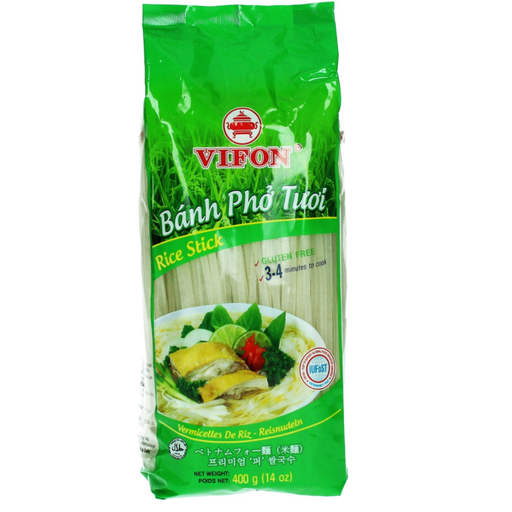
Why This Fits Their Persona: Ideal for enthusiasts of Vietnamese cuisine who want to replicate the authentic taste and texture of pho soup at home. The noodles are specifically designed for soups and hold their shape.
These noodles are explicitly labelled as Pho noodles. This avoids the problem of choosing the wrong width or texture for the delicate soup broth.
Certified gluten-free and packed in 8 individual portions, which simplifies preparation. The texture mimics that of fresh pho noodles.
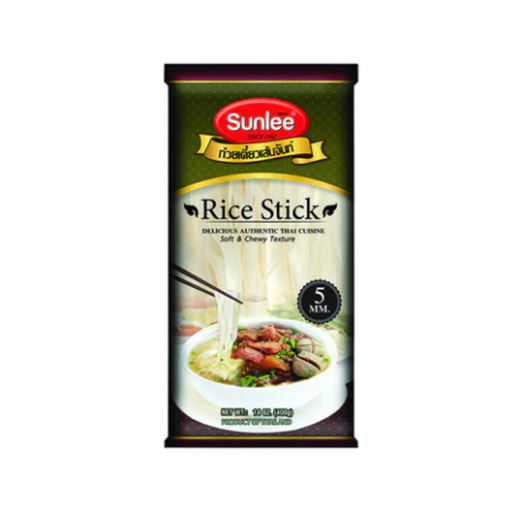
Why This Fits Their Persona: Perfect for beginners and anyone looking for a reliable all-rounder for Asian cooking. Ideal for a quick weeknight dinner, whether it's Pad Thai or another wok dish.
With a 5 mm width, these noodles hit the "sweet spot" for most stir-fry dishes. They are sturdy enough for the wok and narrow enough not to be overpowering.
The curved shape helps to hold sauces well. The ingredient list is minimalist, with just rice flour and water, making it a great gluten-free option.
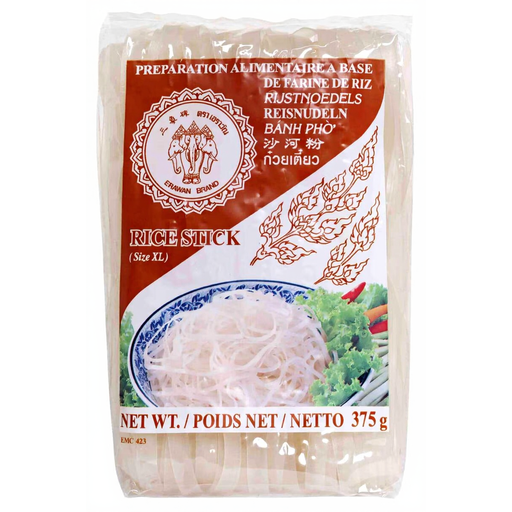
Why This Fits Their Persona: For cooks who want to prepare authentic Thai dishes like Pad See Ew or Pad Kee Mao, where wide, firm noodles are essential for soaking up robust sauces.
Prevents the issue of thin noodles getting lost in a rich sauce. The 10 mm width is specifically designed for these types of hearty dishes.
Made from 90% rice, which ensures a silky texture and a good bite after cooking. Ideal for soaking up sauces.
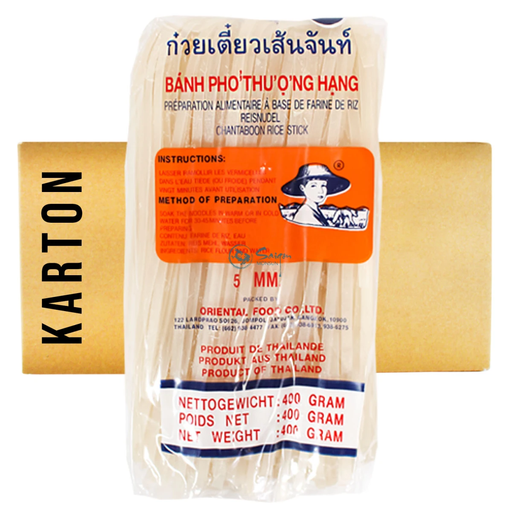
Why This Fits Their Persona: An economical solution for restaurants, canteens, or families who cook Asian food regularly and need a large supply of high-quality standard noodles.
Buying a bulk pack from a trusted brand ensures consistent quality and prevents the need to constantly try out different brands with varying cooking results.
The box contains 34 units of 400g each, offering excellent value for money. According to the manufacturer, the noodles are made from 100% rice flour.
We've compiled a complete, real-time updated list of products that meet these strict selection criteria.
The preparation depends on the thickness of the noodles and their intended use. A common method is to soak the noodles in warm (not boiling) water for 15–45 minutes until they are pliable but still firm. Then, drain them and add them directly to the wok or boiling soup, where they will finish cooking in a few minutes. Alternatively, they can be cooked directly in boiling water for 3–8 minutes. Always follow the instructions on the package, as times can vary by manufacturer.
Most traditional rice noodles made only from rice and water are naturally gluten-free noodles. However, it is crucial to check the ingredient list. Some products may contain other types of starch to improve texture or, in rare cases, wheat starch. If you have celiac disease, look for an explicit "gluten-free" certification on the packaging to rule out the risk of cross-contamination.
The main difference lies in their shape and thickness. Rice noodles or rice sticks are flat and ribbon-like, available in various widths. Rice vermicelli (also known as bún in Vietnamese) are very thin, round noodles that resemble spaghetti. They are frequently used for summer rolls, salads (like Bún Ch?), and in some soups.