
Lieferung heute & morgen

Qualitätsgarantie

Willkommens-Angebote freischalten: KOSTENLOSE Lieferung | Bis zu 80 % RABATT | Kostenlose 30-Tage-JoyPlus-Testphase
App herunterladen
If you’re looking to buy rosé sparkling wine, you’ll find a wide choice online, from German Sekt and French rosé Champagne to Italian rosé Prosecco and Spanish rosé Cava. The pink colour alone, however, tells you little about the taste, how it’s made or the occasion it’s best suited to. Key details to check include sweetness, alcohol content, bottle size, origin and packaging.
The colour is often associated with fruity sweetness, but rosé sparkling wines can range from very dry to distinctly sweet. A dry rosé sparkling wine may have strawberry or raspberry notes without tasting sweet. If you prefer a softer, fruitier style, look specifically for “medium dry” or “demi-sec”.
The residual sugar content can help you compare sweetness:
Product descriptions don’t always give the same level of detail, so check the specific information provided by the producer too.
A six-pack of rosé sparkling wine is ideal for weddings, birthdays and larger celebrations. For a smaller household, though, a single bottle may make more sense, as opened sparkling wine quickly loses its fizz. Compare the price per litre and consider whether you’ll serve the full amount within a short time.
Small bottles, such as 0.2-litre bottles, are handy for receptions or when you want to serve a precisely measured amount. They do, however, offer less flexibility for top-ups and pairing with food.
Rosé Champagne comes from the protected Champagne region of France. Rosé Prosecco is made in Italy under the rules of the Prosecco DOC, while rosé Cava comes from Spain and is often associated with the traditional method of bottle fermentation. German Sekt can be made from different base wines and using different production methods.
So the category name alone isn’t enough: check the product details too. Look for:
A Brut or dry style often works well as a classic aperitif or with light, savoury snacks. Fresh, not-too-sweet varieties can be served with fish, seafood, tapas or salads. A medium-dry rosé sparkling wine may be a better choice with fruity desserts or for guests who prefer softer flavours.
Bear in mind that “Extra Dry” Prosecco isn’t necessarily drier than “Brut”. The term refers to a specific sugar category, and the wine may taste fruitier.
Most products should be served well chilled. Depending on the product, a suitable serving temperature is usually around 6 to 10 °C. A bottle that’s too warm can taste more alcoholic and less fresh, while chilling it too much can make the aromas less noticeable.
Store unopened bottles in a cool, dry place away from direct sunlight. Once opened, a suitable sparkling wine stopper can help preserve the fizz for a short time. Even so, the bottle should be enjoyed soon after opening.
Sparkling wine often contains sulphur dioxide and sulphites. These must be listed on the label or in the product information and may cause allergic reactions in sensitive people. Alcoholic drinks are for adults only. Avoid alcohol during pregnancy. Please follow age restrictions and drink responsibly.
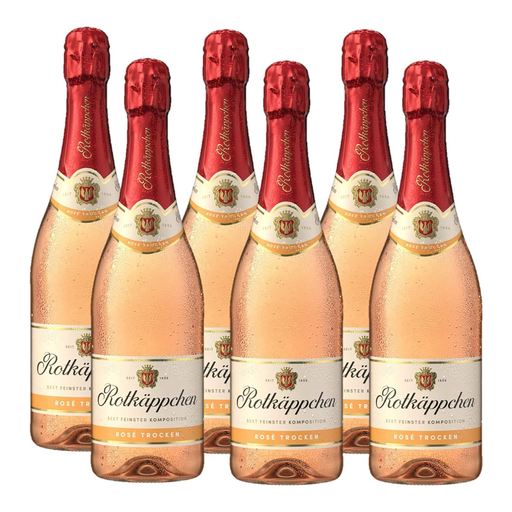
Why it suits this shopper: This pack of six 0.75-litre bottles is made for regular get-togethers, family celebrations or several rounds of aperitifs. The product details describe it as dry, with an alcohol content of 11% vol.
The stated style and total volume make it easier to plan. You can check the pack size against the number of guests you expect before buying.
6 bottles, 4.5 litres in total, a dry style and a stated serving temperature of around 10 °C.
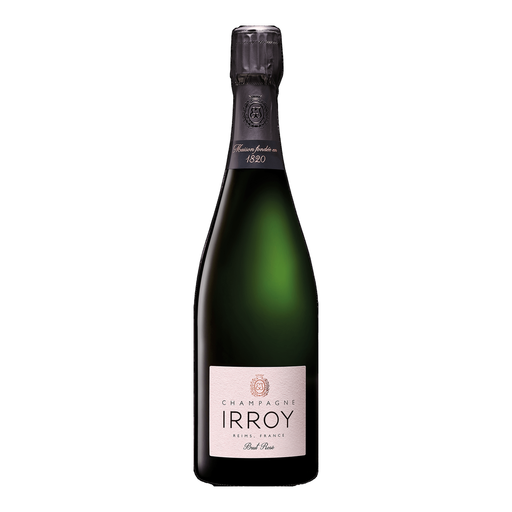
Why it suits this shopper: This bottle comes from Champagne and, according to the product details, has an alcohol content of 12.5% vol., 10.7 g/l of residual sugar and a blend of 80% red grapes and 20% Chardonnay.
The origin, grape proportions, alcohol content and residual sugar are all clearly stated. That means you don’t have to choose based on colour or packaging alone.
Champagne origin, natural cork and Brut classification, with 750 ml in the bottle.
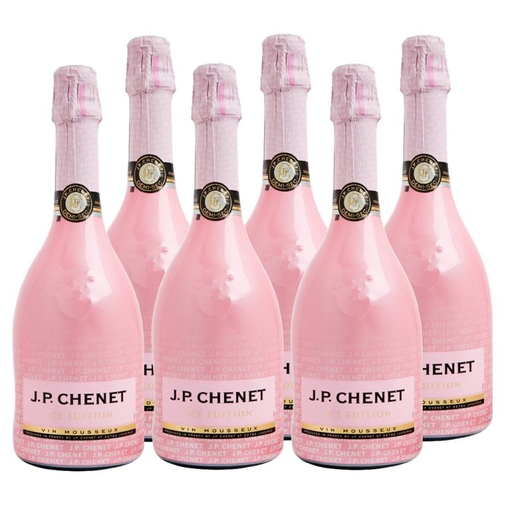
Why it suits this shopper: This pack of six is ideal for celebrations where you’ll need several bottles. The product description identifies it as a medium-dry rosé sparkling wine with an alcohol content of 11% vol.
The medium-dry style is clearly stated, so you’re less likely to mistake the pack for a dry option. Recommended chilling and storage details are also provided.
4.5 litres in total, French origin, with red berry and peach notes according to the product description.
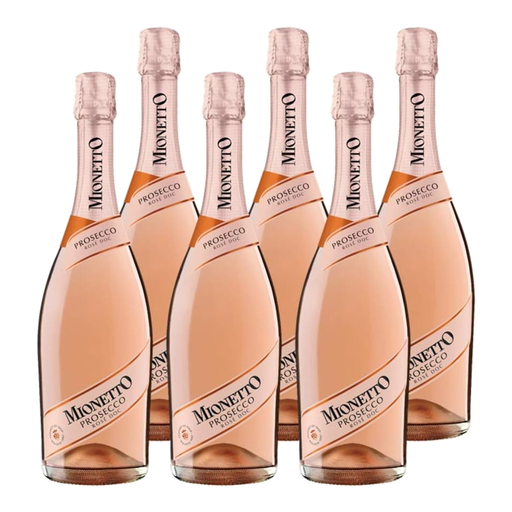
Why it suits this shopper: This Italian rosé Prosecco is described as DOC Millesimato Brut, made with 85% Glera and 15% Pinot Noir. According to the product details, it pairs well with light dishes and makes a good aperitif.
The DOC designation, grape proportions and Brut style provide clear information to help you choose a gift or aperitif.
Italian DOC origin, 6 × 0.75 litres, 11% vol. and a recommended serving temperature of 6–8 °C.
We’ve put together a complete, regularly updated list of products that meet these strict selection criteria and the safety regulations in force across the EU.
Depending on the size of the glasses, a 0.75-litre bottle will serve around six to eight portions. For a reception, you can allow one serving per guest; for a longer celebration, remember to plan for top-ups and other drinks too.
A suitable sparkling wine stopper can help preserve the fizz for a short time, but the taste and bubbles will change after opening. Keep the bottle chilled and drink it as soon as possible.
A six-pack is easier to budget for and manage when you’re catering for a larger wedding or celebration. Individual bottles or a rosé Champagne gift set may be a better choice if you’re serving a limited amount or want to give a more premium-looking present. The main things to consider are the number of guests, the menu, your budget and your preferred sweetness.