
Lieferung heute & morgen

Qualitätsgarantie

Willkommens-Angebote freischalten: KOSTENLOSE Lieferung | Bis zu 80 % RABATT | Kostenlose 30-Tage-JoyPlus-Testphase
App herunterladen
If you're looking to buy Asian noodles online, you'll find a huge selection: Chinese noodles for wok dishes, Korean noodles for cold dishes, Japanese udon noodles, rice and wheat noodles, as well as Asian instant noodles with sauce and seasoning sachets. However, product images alone don't always show whether a particular variety is suitable for the dish you have in mind.
Thin soup noodles behave very differently in a wok compared to wide, hand-pulled noodles. Fine varieties work well in broths, whereas thick knife-cut noodles or wide wok noodles absorb sauces more effectively and require a longer cooking time. If you choose purely by taste or packaging design, you could end up with an unsuitable texture.
Terms like hand-pulled noodles, hand-rolled noodles or knife-cut noodles often refer to style and shape. What really matters are the ingredients list, the noodle width, the cooking time and the preparation method. Dried noodles are also not the same as fresh noodles and usually need a different approach to cooking.
A large pack of 800 g to 2 kg can be practical for regular households, but it does require dry, airtight storage. With instant products, you should also check what components are included. Sauce, oil and seasoning mix can significantly affect the salt and fat content. Comparing per 100 g makes it easier to evaluate different packs.
Wheat noodles contain gluten and typically have an elastic, firm-to-the-bite texture. This category includes many Chinese noodles, Korean somyun varieties and Japanese udon noodles. Rice noodles are a separate product group and, depending on their shape, work well in soups, salads or stir-fries.
If you have allergies or intolerances, always check the allergen labelling. For the products mentioned here, the information may indicate wheat, soya, sesame, peanuts or celery. Always check the packaging for the most up-to-date recipe and allergen information before consuming.
The shape influences how you'll use the noodles:
Always follow the specific time stated on the packet. For cold dishes, a quick rinse under cold water is a good idea if you don't want the noodles to continue cooking.
Dried noodles should generally be stored in a cool, dry place away from direct sunlight. Once opened, an airtight container is recommended. Fresh or pre-cooked products have different requirements and should be handled according to the instructions on the packaging.
For a quick meal, products with separate sauce and seasoning sachets are very convenient. If you prefer to control the ingredients and seasoning yourself, neutral wheat noodles, soup noodles or wok noodles offer more flexibility.
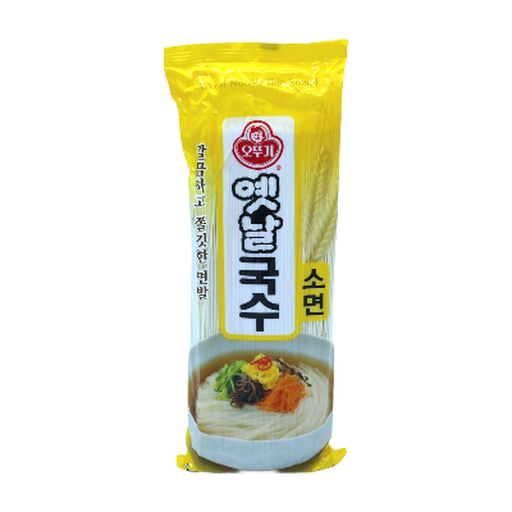
Why this product fits the profile: The ingredients list is simply wheat flour and salt. This 500 g pack makes a neutral base for soups, cold noodle dishes and simple sauces.
The straightforward ingredients list and medium pack size make it easy to get started without needing lots of storage space.
500 g content; according to product information, 362 kcal and 0.8 g salt per 100 g.
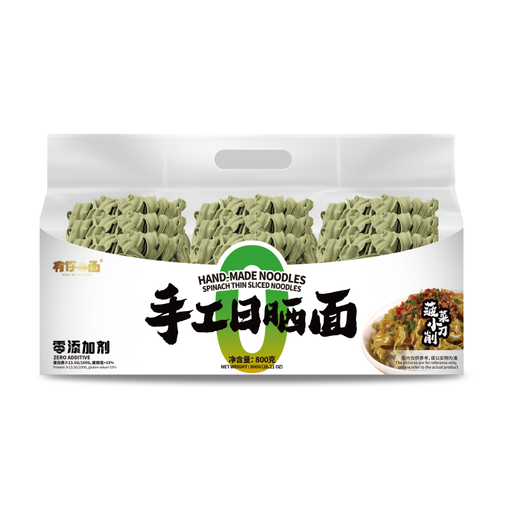
Why this product fits the profile: The thin-sliced shape and the addition of spinach powder appeal to shoppers who care about the form, ingredients and sauce-absorbing qualities of Chinese noodles.
The product details list ingredients, allergens, origin (China) and a net weight of 800 g, rather than relying solely on style descriptions.
Thin, sliced noodle shape; 357 kcal and 14.1 g protein per 100 g according to product information.
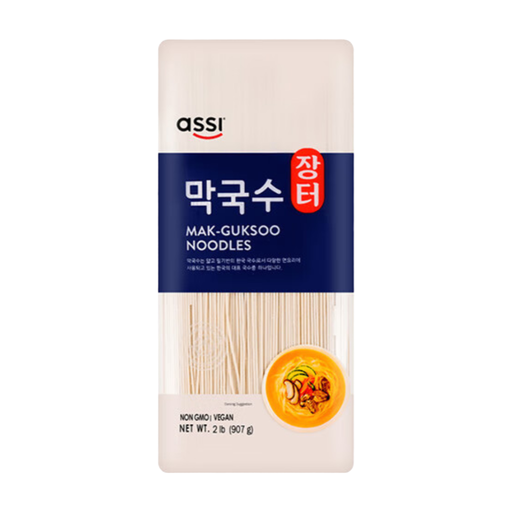
Why this product fits the profile: This Korean wheat noodle is designed for Makguksu-style cold dishes and soups, and the 907 g pack offers a bulk size for regular cooking.
The ingredients are clearly listed as wheat flour, salt and water; the noodles won't be mistaken for a pre-seasoned product.
907 g pack; according to product information, 361 kcal and 77 g carbohydrates per 100 g.
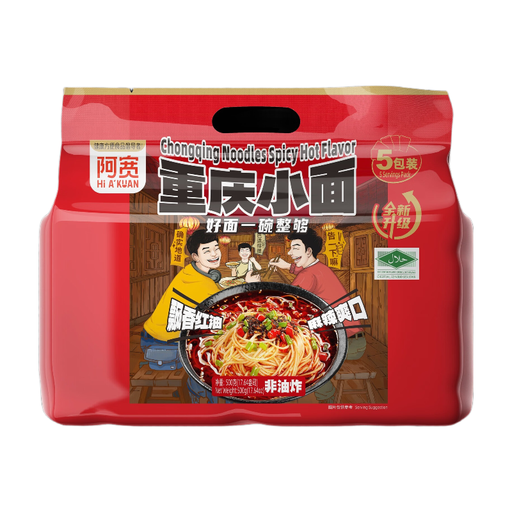
Why this product fits the profile: Five individual portions with noodles, soup base, chilli oil and dried vegetables offer a clearly structured way to prepare spicy noodles.
The heat level can be adjusted portion by portion using the chilli oil. Allergens such as wheat and soya are listed in the product information.
500 g total weight with five sachets; recommended cooking time around 3 to 4 minutes.
We've put together a full, regularly updated list of products that meet these strict selection criteria and comply with EU safety regulations.
For wok dishes, medium-thick or wide wheat noodles work well because they absorb sauce and hold their firm texture during quick stir-frying. Dried varieties should first be cooked according to the packet instructions and then drained thoroughly. Pre-cooked udon noodles can be reheated directly or quickly tossed in the pan.
The best-before date is printed on each packet. Once opened, quality depends particularly on dry, airtight storage. Avoid moisture, heat and direct sunlight. If the packaging is damaged or you notice any unusual changes, do not use the product.
Unopened instant products can generally be stored in a space-saving, dry way. When choosing, consider pack size, cooking or soaking time, included sauces and allergens. If you prefer to control the salt and seasoning levels yourself, consider neutral Chinese noodles, Korean noodles or Japanese udon noodles without ready-made seasoning sachets.