
Lieferung heute & morgen

Qualitätsgarantie

Willkommens-Angebote freischalten: KOSTENLOSE Lieferung | Bis zu 80 % RABATT | Kostenlose 30-Tage-JoyPlus-Testphase
App herunterladen
The search for the right sparkling wine can quickly become overwhelming. Online shops and supermarket shelves are filled with bottles, all vying for your attention. But behind the shiny labels and tempting offers, there are often pitfalls that lead to a poor choice. Many buyers rely on familiar brand names or are guided by vague terms like "dry," only to find that the taste doesn't meet their expectations.
This guide will help you avoid the most common mistakes and make an informed decision. We focus on the objective criteria that truly matter, so you can find the exact sparkling wine that suits your occasion and your palate—without any of the marketing hype.
To find the right bottle, it helps to focus on a few fundamental parameters. These will help you evaluate the product's characteristics objectively.
The most important information on the label is the style, which indicates the residual sugar content per litre. These designations are regulated EU-wide and provide a reliable guide:
The name of the sparkling wine reveals its origin, grape varieties, and production method.
Consider what you need the sparkling wine for.
Here are some recommendations tailored to different needs and occasions.
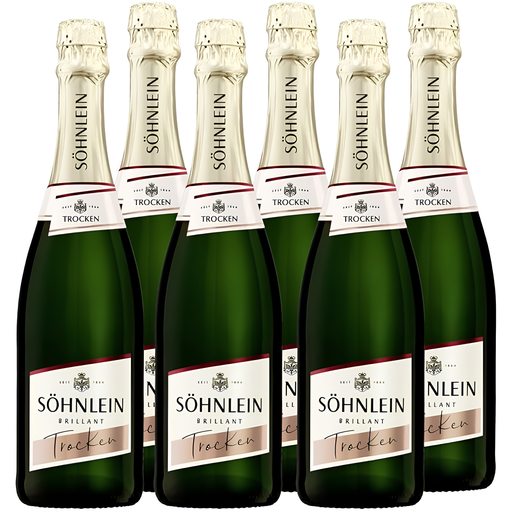
Why This Fits Their Persona: Ideal for planning parties, birthdays, or a sparkling wine reception. The 6-pack offers solid value for money and ensures there's enough for all guests without breaking the budget.
This product bypasses the "Price-Quality Fallacy." It proves that a well-known German Sekt can be a reliable and well-rounded choice for social gatherings without needing to resort to more expensive alternatives.
Flavour Profile: Finely dry and balanced, appealing to a broad palate. Practical: Delivery in a 6-bottle case simplifies planning and stocking up.
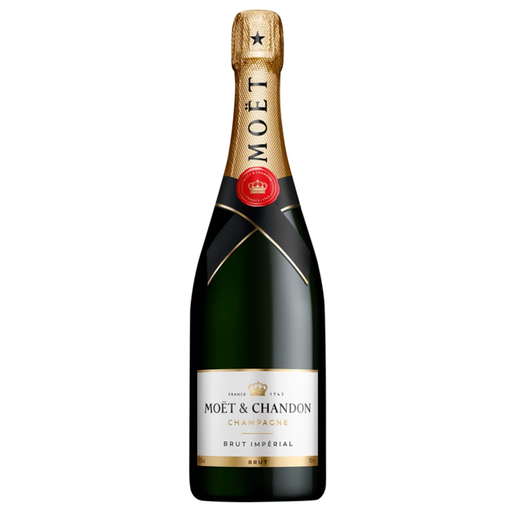
Why This Fits Their Persona: For those celebrating a milestone, looking for an exclusive gift, or wanting to crown a special occasion with an internationally recognised symbol of luxury and quality.
This avoids the trap of "Ignoring the Occasion." The choice is deliberately a premium Champagne because the occasion justifies its complexity and prestige. It's the right choice for the right moment.
Style: A vibrant and generous Champagne distinguished by its bright fruitiness and elegant maturity. Recognition: A globally renowned style that stands for consistently high quality.
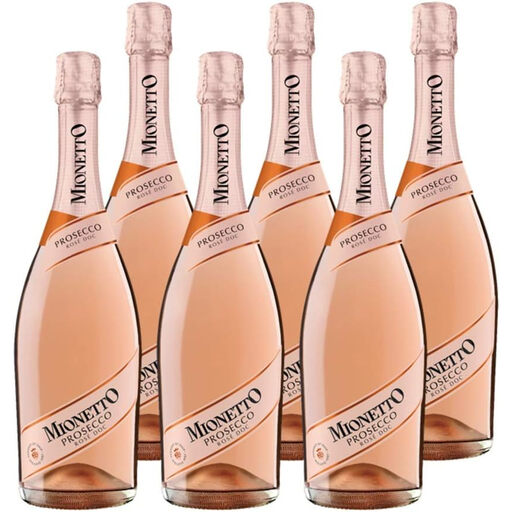
Why This Fits Their Persona: Perfect for those who appreciate the light, berry notes of a rosé sparkling wine. Ideal as an aperitif on warm summer evenings, with finger food, or with light seafood dishes.
This product solves the "Sweetness Level Trap." Classified as "Extra Dry," it offers a pleasant fruitiness without being overly sweet—a harmonious balance that many look for in a rosé.
Seal of Quality: As a Prosecco Rosé D.O.C., it meets strict origin and quality standards. Aromatics: Notes of red fruits and grapefruit, combined with a lively perlage.
We have compiled a complete, up-to-date list of products that fully meet these strict selection criteria and German regulations.
Most non-vintage sparkling wines, like standard Sekt or Prosecco, are meant for immediate enjoyment and should be consumed within 1–3 years of purchase. Store the bottles upright in a cool, dark place with a constant temperature. Once opened, the bottle should be sealed with a special sparkling wine stopper, kept in the refrigerator, and finished within 1–2 days to preserve the carbonation.
These terms define the residual sugar content and, therefore, the taste. A common misunderstanding concerns the term "dry." A sparkling wine labelled as dry Sekt contains 17–32 grams of sugar per litre and tastes slightly sweet. If you prefer a crisper style, you should opt for Brut, as it is significantly drier with a maximum of 12 grams of sugar per litre.
Yes, ordering sparkling wine online by the case is particularly convenient and often more cost-effective. For planning parties or stocking up, buying cases of 6 or 12 is ideal. Brands like Freixenet Sekt or Rotk?ppchen Sekt are frequently available in these pack sizes, which simplifies transport and can offer a price advantage per bottle.