
Lieferung heute & morgen

Qualitätsgarantie

Willkommens-Angebote freischalten: KOSTENLOSE Lieferung | Bis zu 80 % RABATT | Kostenlose 30-Tage-JoyPlus-Testphase
App herunterladen
Whether you're preparing authentic Asian dishes or looking for a plant-based alternative to cream, the supermarket shelf can present a bewildering array of options. The decision to buy the right coconut milk is often complicated by vague promises and a multitude of choices. This guide will help you identify key quality features and avoid bad buys, ensuring your next curry or dessert has the perfect consistency and full flavour.
Many products don't live up to the claims on their packaging. Pay attention to these three points to avoid disappointment:
To find the right coconut milk for your needs, you should check three key parameters. These provide reliable information about the product's quality and suitability.
Fat content is the most important indicator of the coconut milk's consistency and taste. It determines how rich and creamy coconut milk truly is.
A short and simple ingredient list is usually a good sign. Ideally, coconut milk should consist of only two ingredients: coconut extract and water.
The choice of packaging has practical implications for storage and handling.
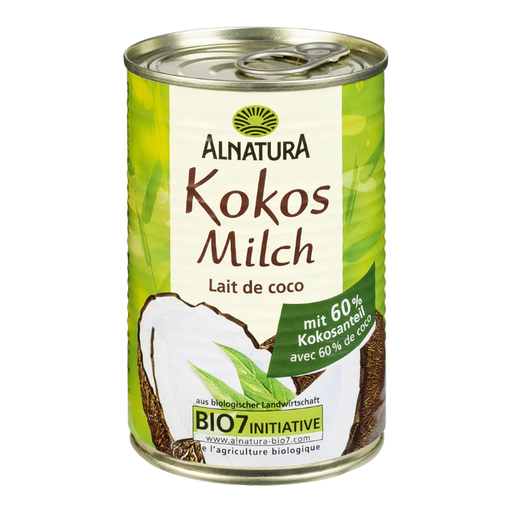
Why This Fits Their Persona: Ideal for health-conscious consumers who value a minimal ingredient list and organic quality. Perfect for anyone who wants full control over the ingredients in their dishes.
Consistently avoids the hidden additives trap. According to the manufacturer, the ingredient list contains only coconut (60%) and water, with no stabilisers or emulsifiers.
High fat content of 22% for exceptional creaminess. Certified organic quality.
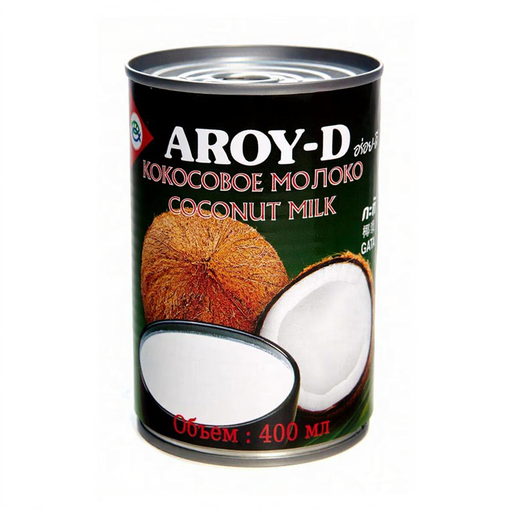
Why This Fits Their Persona: For home cooks seeking the authentic taste of Thai cuisine without compromise. The high fat content ensures the perfect richness in curries and soups.
Bypasses the 'creamy' trap with a reliably high fat content of 19%. This guarantees a rich consistency that won't turn watery.
High coconut extract content of 70% for intense flavour. The Aroy-D brand is well-established in professional Asian kitchens.
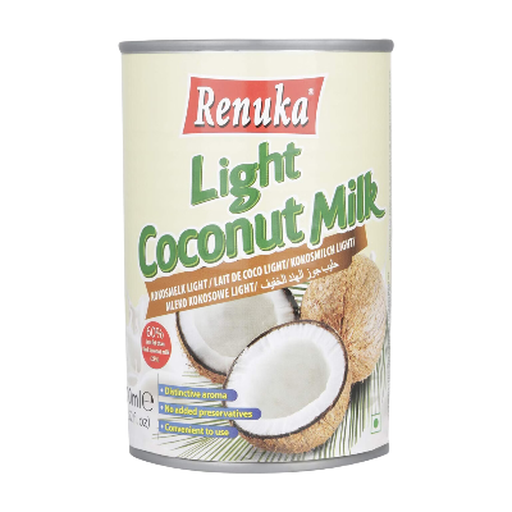
Why This Fits Their Persona: A great choice for anyone who wants to enjoy coconut flavour in lighter dishes like soups, smoothies, or for finishing sauces, without the high calorie density of full-fat versions.
Avoids the trap of mismatched fat content by being clearly labelled as a light coconut milk with 9% fat. It doesn't promise excessive creaminess and is optimised for its intended use.
Significantly lower in calories than standard coconut milk. Serves as a versatile, lighter alternative to cream or whole milk.
We've compiled a complete, up-to-date list of products that fully meet these strict selection criteria and our quality standards.
This is a natural process. Coconut fat has a melting point of around 24°C (75°F). At cooler temperatures, especially in the refrigerator, the fat solidifies and separates from the watery phase. This is often a sign that few or no stabilisers were used. To make the coconut milk liquid and homogenous again, place the closed canned coconut milk in a warm water bath for a few minutes or gently heat the contents in a saucepan.
For a classic, creamy Thai curry, a coconut milk with a fat content between 17% and 19% is recommended. This high fat content not only ensures a creamy texture but also acts as an important flavour carrier, binding and enhancing the aromas of the spices. A light or reduced-fat version would lead to a watery result.
Coconut milk sold in cans or cartons for cooking is generally not designed as a beverage. It is unsweetened and has a very rich, thick consistency. While it is safe to consume, most people prefer specialised coconut drinks for direct consumption, which have a lower fat content, are often lightly sweetened, and have a thinner consistency.