
Lieferung heute & morgen

Qualitätsgarantie

Willkommens-Angebote freischalten: KOSTENLOSE Lieferung | Bis zu 80 % RABATT | Kostenlose 30-Tage-JoyPlus-Testphase
App herunterladen
A pack of 1 kg of coffee beans may seem like an economical choice at first glance. For households, offices and frequent coffee drinkers, this format can be practical. However, not every blend suits every bean-to-cup machine, espresso machine or taste preference. The information on the packaging is only useful when it is interpreted correctly.
An intensity rating such as 6/10, 7/10 or 8/10 generally describes the strength of the flavour or the character of the roast. However, it is not a standardised measurement. An intense roast therefore does not automatically contain more caffeine or appeal more to every coffee drinker.
If you are looking for mild coffee beans, you should also look for a medium roast, a higher proportion of Arabica and tasting notes such as nuts or fruit. For strong milk-based drinks, on the other hand, intense coffee beans or an Arabica-Robusta blend may be a sensible choice.
Crema coffee beans are generally blended or roasted to help produce a stable layer of crema in a bean-to-cup machine. However, this says little about whether the coffee will taste balanced as filter coffee or when prepared with a portafilter machine. Robusta content can add more body and crema, while Arabica is often associated with finer acidity and more nuanced aromas.
Whole coffee beans retain their flavour for longer than pre-ground coffee. Once opened, however, the beans are exposed to oxygen, moisture and surrounding odours. A large pack is therefore only practical if it is used within a reasonable period and sealed correctly.
A refrigerator is not generally necessary. Frequent temperature changes and moisture can even affect the beans. A cool, dry and dark place is a better option. The original packaging should be sealed as airtight as possible after each use.
The roast level affects bitterness, acidity and body:
Product descriptions such as “chocolate”, “nuts”, “dried fruit” or “cocoa” refer to flavour notes, not added ingredients. For pure coffee, the ingredients list should only state roasted coffee beans.
Arabica Robusta coffee beans combine different characteristics. Arabica is often associated with aromatic complexity and a milder impression. Robusta can add more body, spice and a pronounced crema. The specific blend ratio is therefore more important than simply describing the coffee as “espresso”.
A high proportion of Arabica may suit a mild morning coffee. If you prefer a short, strong espresso or cappuccino, you may wish to consider a blend containing Robusta.
For coffee beans for bean-to-cup machines, the beans should be easy for the machine to process in its bean hopper. Very oily, dark-roasted beans can encourage residue to build up in the grinder or brewing unit of some machines over time. The machine manufacturer’s guidance is decisive.
Coffee beans for portafilter machines are ground shortly before brewing. The grind size, coffee dose and extraction time must be adjusted to the individual machine. For example, Lavazza gives a recommended dose of 18–20 g for a double espresso and a brewing time of around 25–30 seconds for its Espresso Barista Gran Crema. These figures are a starting point, not a universal rule.
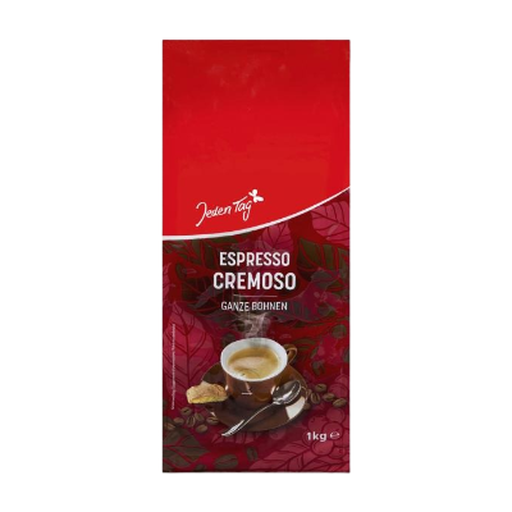
Why this product suits this profile: The 1 kg pack is designed for regular use in a bean-to-cup machine. The product information states that it is organically certified and costs 15,99 € per kilogram.
Its clear focus on espresso and bean-to-cup machines makes choosing easier without suggesting an unsubstantiated guarantee of flavour or quality.
1 kg contents, organic certification DE-ÖKO-003 and no listed additives or allergens.
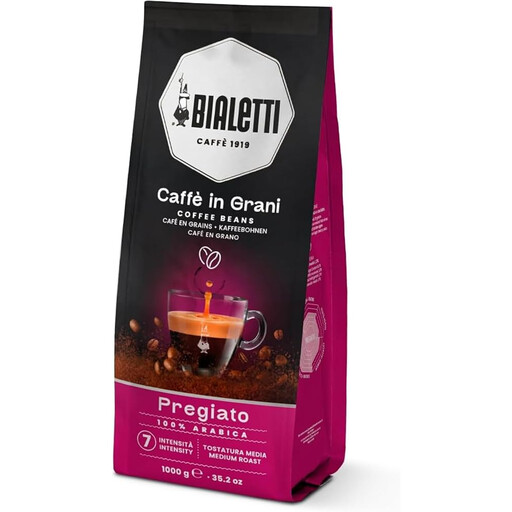
Why this product suits this profile: According to the product information, the blend consists of 100% Arabica and is intended for espresso machines, moka pots and bean-to-cup machines.
The stated bean type is clear, so buyers do not have to infer the flavour profile from an intensity rating alone.
100% Arabica, light roast and stated floral and fruity notes.
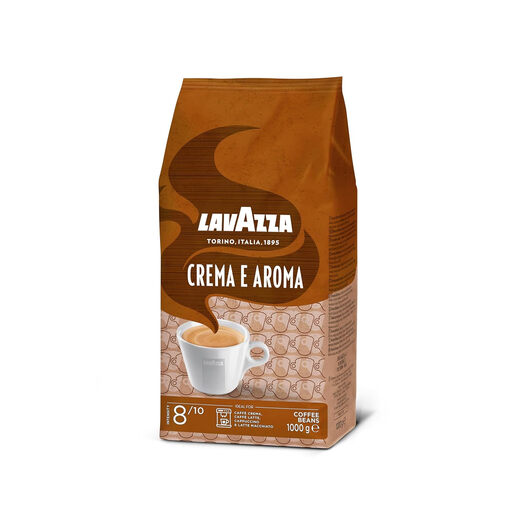
Why this product suits this profile: With a stated intensity of 8/10, the Arabica-Robusta blend is designed for a bold, creamy coffee style and, according to the product description, is particularly suitable for bean-to-cup machines.
The product data lists the blend, roast, intensity and brewing methods separately. This makes it easier to match your choice to your machine and drinking habits.
Chocolatey flavour profile, 1 kg contents and suitability for both bean-to-cup and portafilter machines.
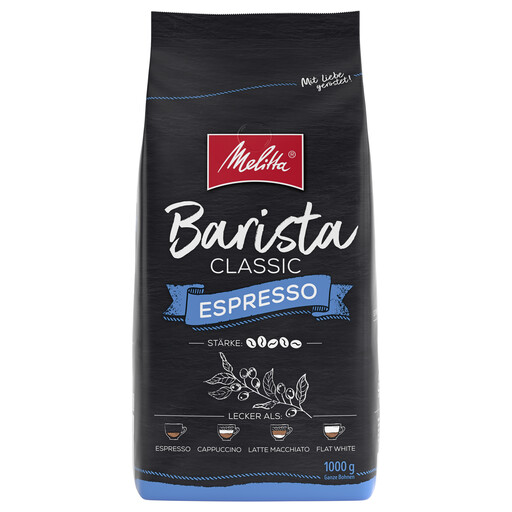
Why this product suits this profile: Its bold espresso character is a good match for cappuccino, latte macchiato and flat white. The beans can be used in a bean-to-cup machine or ground for a portafilter machine and espresso maker.
Its suitability for several brewing methods is explicitly stated. This reduces the risk of buying a roast intended exclusively for one method.
1 kg contents, an intense espresso character and suitability for both coffee and milk-based drinks.
We have put together a complete, regularly updated list of products that fully meet these strict selection criteria and the safety regulations applicable in the EU.
At a daily consumption of around 30 to 40 g, a 1 kg pack will last approximately 25 to 33 days. The actual period depends on the cup size, dosage and number of drinks prepared. This format can therefore make sense for an office or a frequent coffee drinker; for occasional consumption, smaller packs may help preserve the aroma better.
Once opened, the beans should be stored in the original bag with its valve securely sealed, or in an airtight, light-proof container. The best-before date applies to unopened goods and should be checked before purchase. Damaged or swollen packaging should not go into your basket.
In principle, any whole beans that can be processed in the machine’s bean hopper are suitable. Medium roasts are often a good choice for Caffè Crema. Darker roasts can also be considered for espresso and milk-based drinks. Very oily beans should only be used if the machine manufacturer permits them.
This depends on the packaging, storage conditions and rate of consumption. To keep the flavour as consistent as possible, store the beans in an airtight, dry and dark place at a steady room temperature, and use them promptly. The best-before date alone does not indicate the optimum flavour intensity after opening.
Many 1 kg packs of espresso beans can also be used for filter coffee once ground appropriately. With a dark roast, however, the result may be stronger and more heavily roasted. If you regularly switch between filter coffee, a bean-to-cup machine and a portafilter machine, choose a versatile medium roast with a clearly described profile.