
Lieferung heute & morgen

Qualitätsgarantie

Willkommens-Angebote freischalten: KOSTENLOSE Lieferung | Bis zu 80 % RABATT | Kostenlose 30-Tage-JoyPlus-Testphase
App herunterladen
As your Joybuy Product Recommendation Officer, my mission is to provide you with clear, objective information. The market for home robotics is flooded with marketing promises that often confuse more than they clarify. The goal of this guide is to highlight the crucial features of a modern robot vacuum and mop and show you what to look for to make an informed decision.
Many buyers invest in a premium device, only to find it fails to perform basic tasks satisfactorily. Before we look at specific models, let's examine three common pitfalls:
To avoid the problems mentioned above, you should focus on a few core technical parameters that define true functionality.
A modern all-in-one station, like the ECOVACS OMNI Station, does far more than just automatically empty the dustbin. The maintenance of the mop is crucial for hygienic cleaning. Look for the following features:
A robot's ability to clean a home without gaps depends on its sensors and software. A robot vacuum with edge cleaning should feature advanced technologies:
For pet owners, hair pickup is one of the most critical requirements. A good robot vacuum for pet hair is distinguished by a sophisticated anti-tangle system. The ZeroTangle 3.0 system, for example, uses a combination of a spiral side brush and a specialised main brush to guide hair directly into the suction stream, reducing the need to manually remove tangled hair from the brushes.
Based on the criteria above, we have selected a few products suited for different needs and priorities in the modern home.
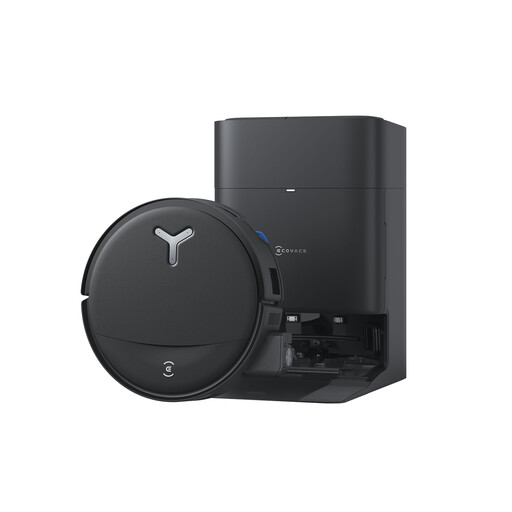
Why it's a match: Perfect for tech-savvy users, families, and pet owners seeking a comprehensive, low-maintenance cleaning solution. The device handles almost the entire process, from cleaning to self-maintenance.
The hot-water mop wash dissolves tough stains instead of smearing them. TruEdge 3.0 technology ensures clean edges, and the ZeroTangle 3.0 system minimises hair tangles.
Fully automated station with hot-water washing and drying. Intelligent edge cleaning and obstacle avoidance. High suction power of 24,800 Pa combined with an effective brush system.
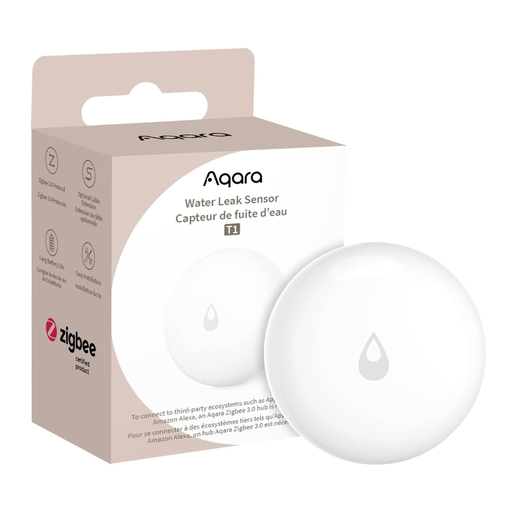
Why it's a match: For home and apartment owners who want to protect their property from unexpected water damage. A smart addition to any smart home, placed in high-risk areas like the bathroom, kitchen, or basement.
Instead of relying on reactive measures, this sensor offers proactive monitoring. It sends an alert when water levels reach just 0.5 mm, allowing for a rapid response before significant damage occurs.
Instant app notifications and a local alarm. Long battery life of over two years. Compact, waterproof (IP67) design for flexible placement.
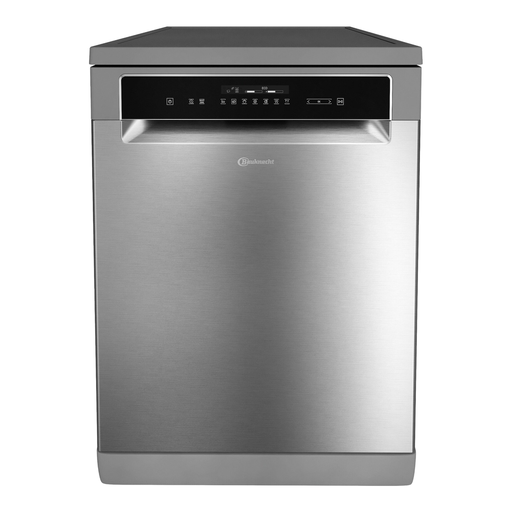
Why it's a match: For households that also value efficiency and automation in the kitchen. This appliance takes on the tedious task of cleaning heavily soiled dishes and optimises the drying process.
Instead of just offering standard programmes, the sensor programme adapts the cleaning cycle to the soil level. The PowerClean system targets stubborn messes, and ActiveDry ensures dry dishes without manual towel-drying.
PowerClean system for pots and pans. ActiveDry system for automatic door opening and improved drying. Sensor programme for automatic resource adjustment.
We have compiled a complete, up-to-date list of products that fully meet these strict selection criteria and safety standards.
Day-to-day maintenance is minimal. The station automatically empties the robot's dustbin and washes and dries the mops. You only need to change the dust bag in the station periodically (every few weeks to several months, depending on usage) and empty the dirty water tank and refill the clean water tank. An occasional cleaning of the station itself is also recommended.
Cleaning with hot water can significantly improve the ability to dissolve grease and dried-on, sticky messes compared to cold water. According to ECOVACS, the system adjusts the temperature based on the room type and soil level to ensure a more thorough cleaning of the mops. This helps ensure the robot works with clean mops on every run and doesn't just spread dirt around.
Modern systems like AIVI 3D 3.0 combine laser navigation with structured light, which improves object detection under various lighting conditions. While very dark or highly reflective surfaces can pose a challenge for any optical sensor, these advanced systems are generally far more reliable than simple infrared sensors and can handle dark furniture and dimly lit areas well.