
Lieferung heute & morgen

Qualitätsgarantie

Willkommens-Angebote freischalten: KOSTENLOSE Lieferung | Bis zu 80 % RABATT | Kostenlose 30-Tage-JoyPlus-Testphase
App herunterladen
An electric food slicer should cut bread, cold meats, cheese and meat neatly, without becoming awkward to use after just a few goes. In a British household, it’s not just about motor power and design. Safe operation, a suitable slice thickness adjustment and materials that match the way you plan to use it are all important.
Many product descriptions promote high speeds, “professional” features or an especially wide range of uses. But these claims are only useful if they match the food you want to cut, the design of the appliance and the task at hand.
A high wattage or speed rating alone won’t guarantee even slices. For bread and firm foods, the blade design, the way the food is guided and the stability of the carriage are also important. Even a powerful motor can cause vibration if the appliance has a lightweight plastic body.
So look for:
An electric meat slicer or bread slicer must be designed for contact with food. Appliances intended for paper, carpet, leather or plastic don’t belong in the kitchen, even if they can cut.
This applies, for example, to battery-powered rotary cutters. Their blades and housings may be suitable for craft or renovation work, but not for bread, cheese or cold meats. Clear information about materials and intended use matters more than the longest possible list of applications.
A serrated blade can be useful for bread, while a smooth blade can be better for cold meats or cheese. More important still is whether the blade, carriage and food tray can be cleaned as instructed by the manufacturer. Non-removable parts can make everyday cleaning more difficult.
Before you buy, check whether replacement blades are available and which parts can be removed for cleaning. If you’re buying for a small catering business, you should also consider the pace of work, stability and maintenance options.
An electric food slicer with adjustable slice thickness should have clearly marked settings that lock securely into place. Thin slices of cold meat call for different settings from thick slices of bread. A claim such as “up to 23 mm” only tells you the maximum possible thickness; it doesn’t show how finely you can adjust the settings below that.
If you’re looking for an electric food slicer up to 23 mm, also check the scale, adjustment mechanism and carriage. In everyday use, stepless or finely graduated adjustment is usually more flexible than a handful of preset positions.
A metal food slicer may be more stable in use thanks to its greater weight. What matters, though, is which parts are actually metal: the body, blade mount, carriage or just a few decorative details. So any claim of an “all-metal” design should be backed up with specific information in the product description.
An angled design can make it easier to feed food into the blade. For longer slicing sessions, the work surface, clearance around the blade and size of the food also matter. A compact appliance is often enough for home use, while keen home cooks or small businesses may benefit from a larger work surface.
Look for a safety switch, a finger guard and a design that prevents accidental access to the blade. Guide food using the carriage and finger guard, not your hand close to the blade.
Running costs include electricity, replacement blades and maintenance. A mains-powered appliance doesn’t need battery care. Battery-powered models can be convenient, but a food slicer should only be battery-operated if it’s specifically designed for that purpose.
The selection below clearly distinguishes food slicers from products designed for other cutting tasks. This can help you avoid buying the wrong thing when using vague search terms such as “food processor for slicing” or “electric cutter”.
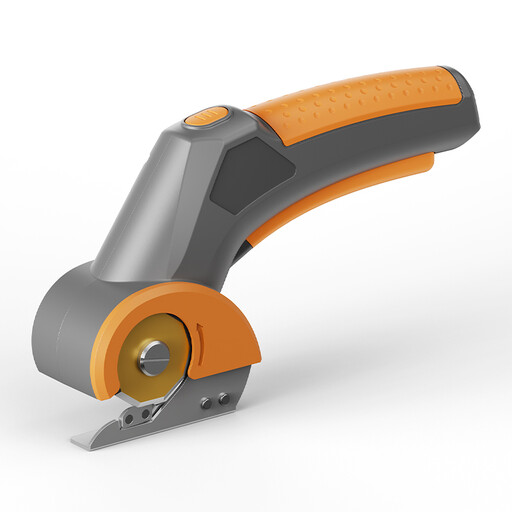
Why this product suits this profile: If you’re budget-conscious and need to cut things outside the kitchen, this compact cordless cutter could be an option for paper, cardboard, carpet, leather, felt and plastic. It’s specifically not intended to be used as a food slicer.
Clearly distinguishing its intended use helps prevent a versatile-sounding tool from being mistakenly bought as an electric bread slicer.
4 V battery, USB-C charging, lightweight at around 0.386 kg and a safety lock, according to the product description.

Why this product suits this profile: Made in Germany, this food slicer is aimed at households and food lovers who regularly slice bread, cold meats, cheese and meat.
The product description specifies an all-metal construction, an angled design and a removable carriage, rather than making vague claims about versatility.
DC motor, electronic speed control, two blades and slice thickness of up to 23 mm, according to the product details.
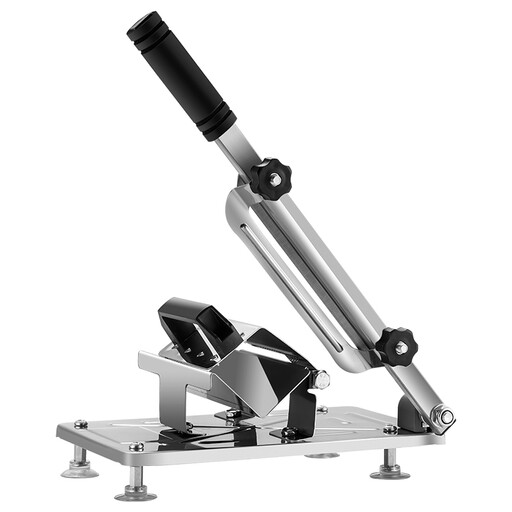
Why this product suits this profile: Designed to cut thin slices of beef and lamb, this meat slicer could be a good option if you have a specific food preparation need.
Its stated specialist purpose sets it apart from a general-purpose food slicer. Check the motor power, slice thickness and cleaning instructions before you buy.
Stainless steel slicer for beef and lamb, according to the product name; designed for a clearly defined cutting task.
For everyday use, a finely adjustable range is more important than a single maximum figure. If you want to slice bread, cheese and cold meats to different thicknesses, look for an easy-to-read adjustment setting. On models that cut up to 23 mm, the thickest settings are better suited to chunky slices of bread or larger pieces.
Its lifespan depends on blade quality, how often you use it, cleaning and maintenance. Regularly removing food residue, storing it in a dry place and using it as instructed by the manufacturer can help prevent unnecessary wear. If you use it frequently, replacement parts and repair services are important things to consider.
Electricity use depends on the motor power, how long it’s switched on for and how it’s operated. Slicing usually takes just a few minutes, so the total running time at home is often limited. For a realistic estimate, consider the power consumption and how long you expect to use it each day.