
Lieferung heute & morgen

Qualitätsgarantie

Willkommens-Angebote freischalten: KOSTENLOSE Lieferung | Bis zu 80 % RABATT | Kostenlose 30-Tage-JoyPlus-Testphase
App herunterladen
An electric kettle is an essential kitchen appliance, yet choosing one can be surprisingly complex. Many models make enticing promises that often prove impractical or even flawed in daily use. As your Joybuy Product Recommendation Officer, I'll help you separate marketing hype from genuine quality features, ensuring your next purchase is a well-informed decision.
Before we dive into the important features, let's look at the three most common mistakes that lead to dissatisfaction.
To avoid a bad purchase, focus on these three fundamental aspects.
The material that comes into contact with your water is the most important criterion for taste and durability.
The right size and power depend on your household.
Some features offer real added value if they fit your habits.
Here are some models tailored to specific needs that avoid the pitfalls mentioned.
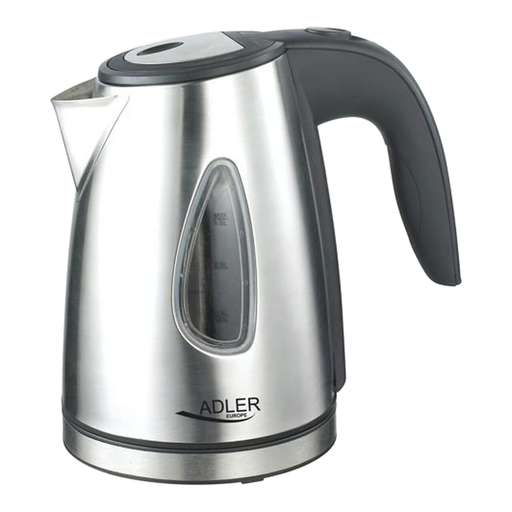
Why This Fits Their Persona: Ideal for singles, students, or small kitchens where space and efficiency are key. This model focuses on the core function: heating water quickly and safely, without the unnecessary cost of rarely used extras.
It avoids the feature overload trap. The device offers basic safety features like an automatic shut-off and boil-dry protection in a robust stainless steel housing.
Compact 1-litre capacity, ideal for the needs of 1-2 people. The stainless steel housing is durable and taste-neutral.
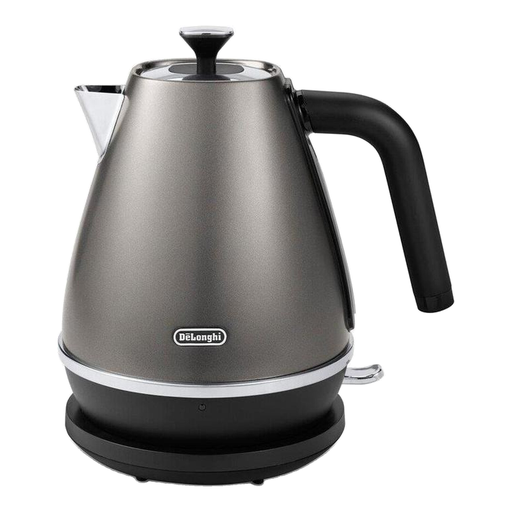
Why This Fits Their Persona: For users who value aesthetics and want a kitchen appliance that is also a design statement. This designer kettle combines high-quality materials with an exclusive look for the sophisticated home.
It bypasses the material trap with a solid stainless steel body finished with a matte metallic paint. The 3-level safety shut-off is a proven, reliable technology instead of overloaded electronics.
Generous 1.7-litre capacity for families and guests. The exclusive Italian design with chrome details makes it a centrepiece in any kitchen.
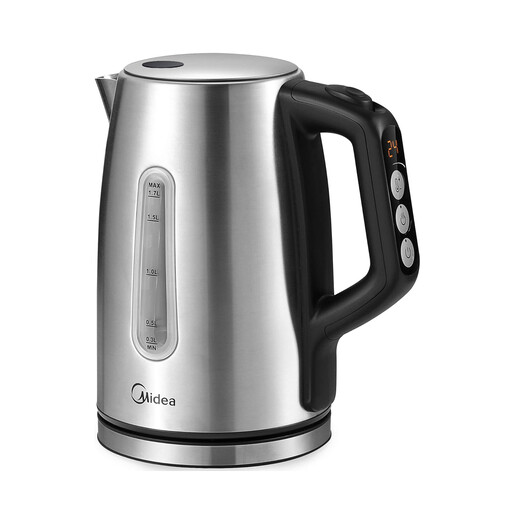
Why This Fits Their Persona: Perfect for anyone who needs more than just boiling water. This tea kettle allows for the precise preparation of various hot beverages, getting the most out of high-quality tea and coffee.
The extra features here are not a gimmick but the core of the product. The six precise temperature settings and the reliable keep-warm function offer a real, tangible benefit for connoisseurs.
Precise temperature control in 6 settings (40-100°C). The keep-warm function maintains the selected temperature for up to 60 minutes. The double-wall housing is cool to the touch on the outside and made of BPA-free stainless steel on the inside.
We have compiled a complete, up-to-date list of products that fully meet these strict selection criteria and German safety regulations.
The frequency depends on the water hardness in your area. With hard water, it is advisable to descale the appliance every four to eight weeks. With soft water, descaling every few months is sufficient. Regular descaling with a vinegar solution or a commercial descaler ensures the efficiency of the heating element and prevents limescale particles from getting into your drink.
Both materials are an excellent choice for taste neutrality and hygiene. A stainless steel kettle is generally more robust and resistant to impacts. A glass kettle offers an appealing look and makes limescale deposits immediately visible, which simplifies cleaning, but it is potentially more fragile. The decision is ultimately a trade-off between durability and aesthetics.
Power consumption depends on the wattage and the duration of use. A typical 2200-watt kettle that takes three minutes to boil 1.5 litres of water consumes about 0.11 kilowatt-hours (kWh). At an electricity price of, for example, 40 cents per kWh, one boiling cycle costs around 4.4 cents. The most effective way to save energy is to only ever heat the amount of water you actually need.