
Lieferung heute & morgen

Qualitätsgarantie

Willkommens-Angebote freischalten: KOSTENLOSE Lieferung | Bis zu 80 % RABATT | Kostenlose 30-Tage-JoyPlus-Testphase
App herunterladen
You can’t permanently “mask away” enlarged pores. However, the right skincare, less excess sebum and balanced hydration can all help make them look less noticeable. So if you’re looking for a face mask for enlarged pores, don’t choose one based solely on claims such as “poreless”, “detox” or “clinical”.
As a Joybuy Product Recommendation Officer, I assess product claims against clear, evidence-based criteria. The tips below will help you choose a pore-refining face mask, sheet mask or clay mask to suit your skin type.
Pores don’t have a flap that can be permanently closed. Cool skin may look smoother for a short time, while clean, well-hydrated skin can make pores look less noticeable. So claims such as “permanently reduces pore size” should be treated with caution.
An intensive pore-cleansing mask containing clay, activated charcoal or exfoliating ingredients can remove excess sebum and surface residue. However, using it too often may leave your skin feeling dry or tight. How long you leave it on and how often you use it are especially important if your skin is sensitive or already irritated.
On dry, textured skin, pores may look more noticeable when the skin’s surface feels rough and appears less elastic. A cleansing clay mask isn’t always the right solution on its own. A hydrating face mask, such as a sheet mask, may be a more suitable addition.
A sheet mask is usually designed to hydrate the skin and be used for a short time. It’s not normally rinsed off; simply remove it once the recommended time is up. A clay mask, also known as a Clay Mask, is applied to the skin and then rinsed off with water. Peel-off masks adhere to the skin and are peeled away once dry. If you’re looking for this type of product, you can find more options in the peel-off pore mask category.
It’s also important to follow the manufacturer’s instructions on how long to leave the mask on. Leaving it on for longer doesn’t automatically mean it will work better.
A large pack is only economical if you can use it regularly without irritating your skin. Single-use sachets may be more convenient for beginners or when travelling, and help keep the remaining portions from drying out. Check the ingredients list before buying products containing acids, fragrances or essential oils.
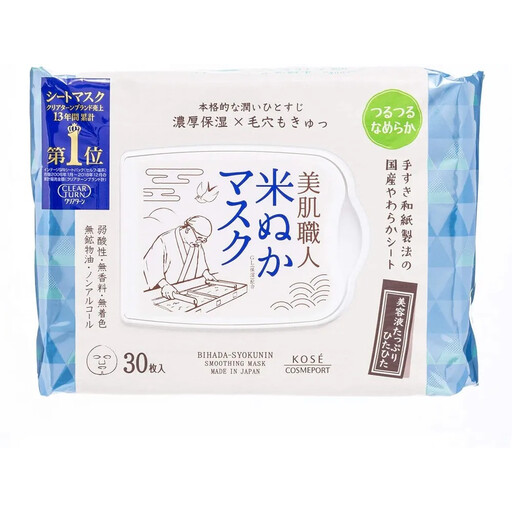
Why this product suits this profile: The pack contains 30 sheet masks, making it suitable for regular use. According to the product description, it contains rice extract and thermal water, and has a mildly acidic formula.
The recommended application time is clearly specified at around 10 minutes, helping you avoid leaving the sheet mask on for longer than necessary.
30 individual masks, a sheet format and a focus on hydration and how your skin feels.
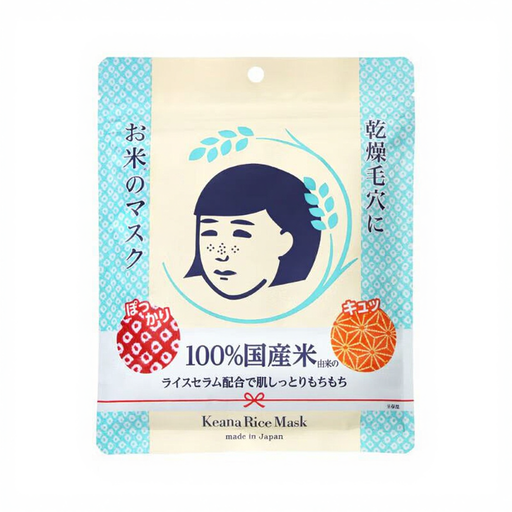
Why this product suits this profile: According to the product description, this Japanese sheet mask is designed for dry, textured skin. The serum contains rice ferment filtrate, rice germ oil and rice ceramides, among other ingredients.
The product description recommends a short application time of 5 to 10 minutes and advises keeping the pouch tightly sealed during storage.
A thick sheet, a rich serum base and clearly listed rice ingredients.

Why this product suits this profile: Eight individually wrapped 15 g portions and an application brush make it easier to control how much you use. According to the product description, the clay mask contains kaolin, bentonite, green tea water and Centella extract.
Single-use portions help prevent a large, opened pot from drying out and make it easier to control the amount you use.
120 g in total, eight portions and two clays for a clarifying wash-off treatment.
We’ve put together a complete, regularly updated list of products that meet these strict selection criteria and fully comply with the safety regulations in force in the EU.
A blackhead mask may temporarily reduce visible residue, but it won’t address every cause of blemishes. If you have recurring or inflamed skin problems, it’s a good idea to seek dermatological advice.
For oily or combination skin, consider products containing kaolin, bentonite or activated charcoal. If your cheeks are dry too, a multi-masking approach may work well: apply clay only to oily areas and a hydrating mask to dry patches.
It depends on the type of mask and how well your skin tolerates it. Once or twice a week is often a practical starting point for clay and exfoliating masks. You can use sheet masks differently, depending on the manufacturer’s instructions and how your skin feels. Always follow the directions on the packaging.
Many products recommend leaving the mask on for around 5 to 15 minutes. A bubble mask may have a different recommended application time. Don’t leave a mask on for longer than advised, especially if it contains acids, alcohol or highly absorbent clays.