
Lieferung heute & morgen

Qualitätsgarantie

Willkommens-Angebote freischalten: KOSTENLOSE Lieferung | Bis zu 80 % RABATT | Kostenlose 30-Tage-JoyPlus-Testphase
App herunterladen
The search for the right facial sunscreen can be complicated. The market is vast, and many products overpromise and underdeliver. Often, the search ends with a sticky texture, an unsightly white cast, or breakouts. However, daily sun protection is a fundamental step in maintaining skin health and preventing premature ageing.
This guide will help you avoid the typical pitfalls of buying sunscreen and make an informed decision. We'll focus on the objective criteria that truly matter, so you can find a product that fits your skin type and lifestyle.
Many disappointments can be avoided by understanding the most common problems that occur when using sun protection products on the face.
To avoid these problems, you should focus on the technical properties of a product. Three parameters are particularly important.
The type of UV filter significantly determines the texture and feel on the skin.
The product description often provides clear indications of its suitability for your skin type.
Modern sun protection products are often more than just UV protection. They contain active ingredients that address specific skin needs.
Based on these criteria, we have compiled a few products for different requirement profiles.
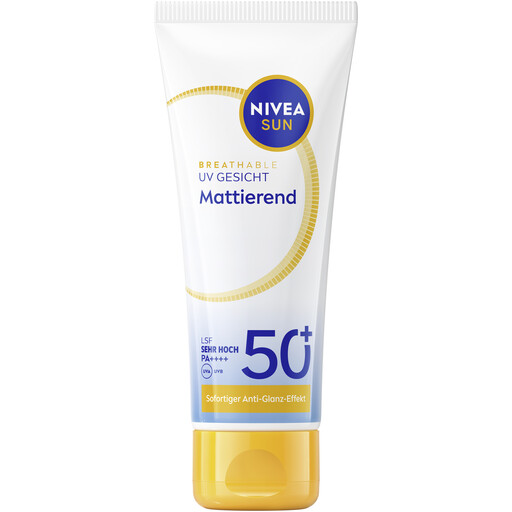
Why This Fits Their Persona: Ideal for those seeking high sun protection that doesn't make the skin shiny and integrates well into a daily routine, even under makeup.
The formula with tapioca starch counteracts the "greasy film" effect by providing an immediate and long-lasting anti-shine effect, thus avoiding the typical stickiness of high-SPF products.
Offers a mattifying effect and a lightweight, non-greasy texture. The formula is non-comedogenic and suitable as a sunscreen under makeup.
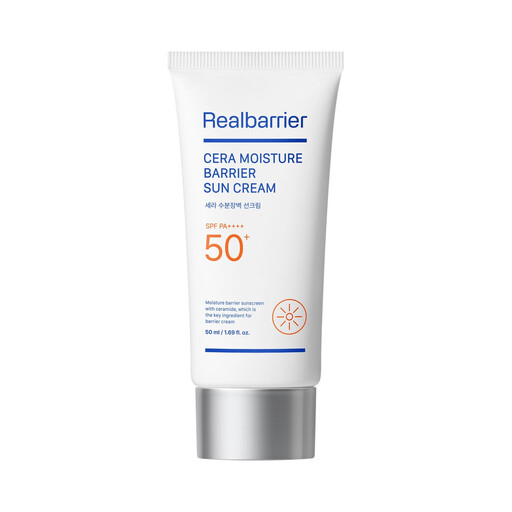
Why This Fits Their Persona: Suitable for individuals whose skin is prone to dryness and tightness, and who are looking for a sunscreen that also provides intensive care and strengthens the skin barrier.
The lightweight formula absorbs quickly without leaving a white cast—a common issue with sunscreens that offer high protection for sensitive skin.
Contains a complex of 10 types of hyaluronic acid, as well as ceramides and panthenol, to strengthen the skin barrier and provide intense hydration.
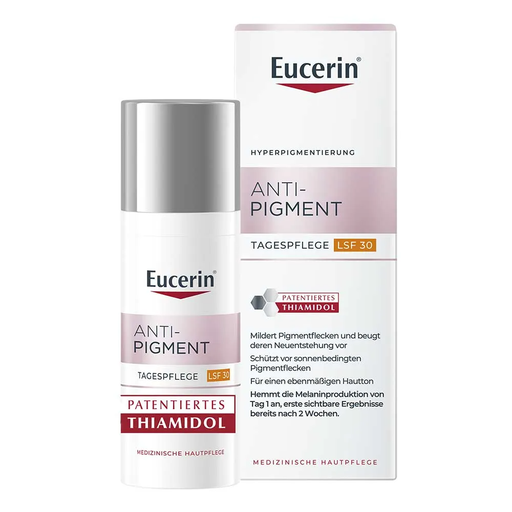
Why This Fits Their Persona: For users whose main concern is preventing and reducing sun-induced pigmentation spots and who are looking for targeted treatment in their daily sunscreen.
This product is more than just a sunscreen; it's a targeted treatment. It avoids the pitfall of using a generic sunscreen and hoping it will solve pigmentation issues.
Contains the patented active ingredient Thiamidol, which, according to the manufacturer, targets the root cause of hyperpigmentation to reduce the appearance of dark spots.
We have compiled a complete, real-time list of products that fully satisfy these strict selection criteria and UK safety regulations.
A common and practical recommendation is the two-finger rule: apply a line of sunscreen along your index and middle fingers. This amount is generally sufficient for the face and neck to achieve the SPF level stated on the packaging. Using too little significantly reduces protection.
Yes, many modern formulas, especially a day cream with SPF 50, are designed to do both. If your skin is not extremely dry, a moisturising sunscreen can be enough to provide care and protection throughout the day. This simplifies your morning routine.
Yes. While UVB radiation, which is responsible for sunburn, is weaker in winter, UVA radiation remains relatively constant. UVA rays penetrate deeper into the skin, can pass through clouds and glass, and are a major factor in premature ageing, such as wrinkles and loss of elasticity. Therefore, using a daily facial sunscreen with SPF 30 or 50 is advisable all year round.