
Lieferung heute & morgen

Qualitätsgarantie

Willkommens-Angebote freischalten: KOSTENLOSE Lieferung | Bis zu 80 % RABATT | Kostenlose 30-Tage-JoyPlus-Testphase
App herunterladen
A glass container for the kitchen can store provisions, heat food or be used directly on the table. However, not every model is suitable for every application. Terms such as ‘heat-resistant’, ‘airtight’ and ‘dishwasher-safe’ often refer only to specific components or usage situations.
A glass container may be suitable for microwave use without being safe to use in the oven. Even an oven-safe container can usually only be heated without its plastic lid. Always check the manufacturer’s information on temperature limits, oven use, microwave use and the lid.
A glass container with a lid usually consists of several materials: glass, polypropylene or copolyester, plus a silicone seal. These components may have different temperature limits and care instructions. An airtight glass container is therefore not automatically suitable for use in the oven.
A large container can take up a great deal of space in the fridge, while a model that is too small may be impractical for meal prep. With a glass oven dish or glass baking dish, internal dimensions, height and capacity are also important. The external dimensions should fit your oven, fridge compartment and dishwasher.
Borosilicate glass is used in several of the products listed below. It is designed for specific temperature ranges, but even this material should not be exposed to sudden, extreme temperature changes. A glass container taken from the freezer should not be placed straight into a hot oven unless the manufacturer expressly permits this.
Important: Do not place hot glass dishes on very cold or wet surfaces, and do not cool them suddenly with cold water. Containers with cracks or chips should no longer be used.
For dry foods such as rice, cereal or flour, a larger glass storage container with a secure closure is ideal. For leftovers and individual meals, sizes between approximately 450 and 950 millilitres are often easier to handle. A glass food storage container with a silicone seal can be useful for keeping food in the fridge and transporting it.
If you prepare food in the oven, look specifically for a glass oven dish or glass baking dish with clearly stated oven suitability. A glass salad bowl or serving bowl, on the other hand, is primarily intended for cold food and presentation.
A dishwasher-safe glass container makes everyday cleaning easier. However, check whether this applies to the complete set or only to the glass body. Products containing wooden components may need to be washed by hand.
For meal prep, stackable rectangular containers save space. A closure with a silicone seal can keep the contents secure during transport. Before buying, however, check the seal, closure type and cleaning instructions.
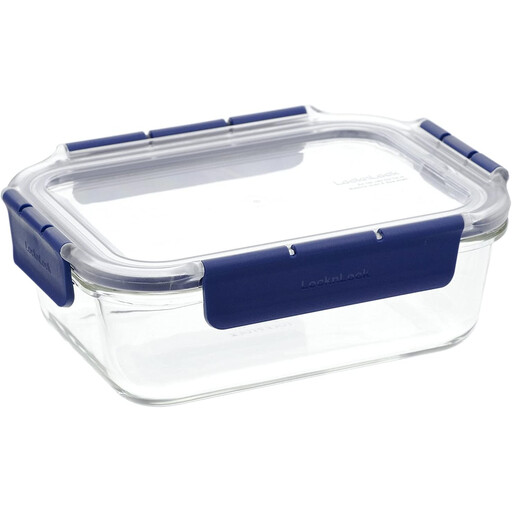
Why this product suits this profile: The compact shape is ideal for individual portions, leftovers and smaller quantities of meal prep. According to the manufacturer, the container is suitable for microwave, freezer and dishwasher use under the specified conditions.
The usage instructions clearly distinguish between the container and the lid: the lid must be removed when heating. They also warn against sudden, extreme temperature changes.
630 ml capacity, rectangular dimensions of 17.9 x 13.5 x 6.8 cm and a silicone seal with hinged closure.
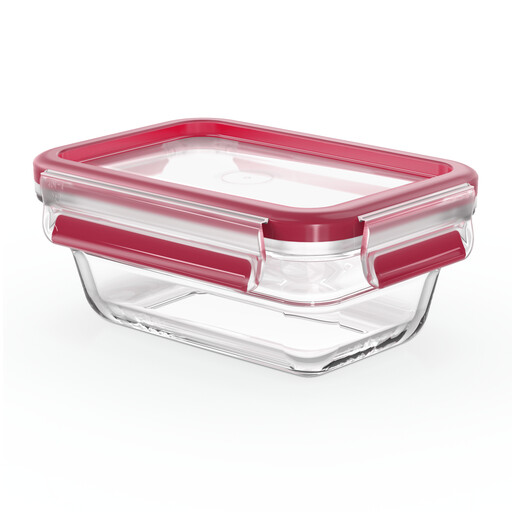
Why this product suits this profile: This model combines a compact format with stated suitability for stacking, freezer, oven and microwave use. It is ideal for anyone looking to use one container from food preparation through to storage.
The product information states a temperature limit of up to 420 °C for the glass body without the lid, along with the relevant instructions for freezer storage and cleaning.
0.45 l capacity, reinforced rim, special stacking edge and clip closure according to the product description.
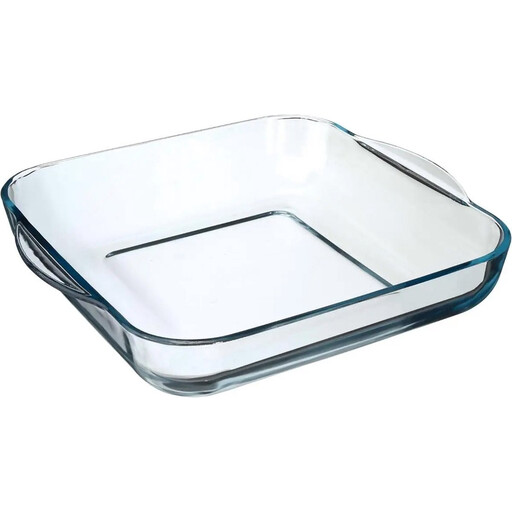
Why this product suits this profile: With its square shape and 4.2-litre capacity, this dish is designed for larger oven dishes, cakes and family-sized portions.
The specifications state the exact external dimensions and capacity, as well as suitability for ovens up to 300 °C, microwaves, freezers and dishwashers.
29 x 29 x 6 cm, 4.2 l capacity, square shape and stated oven suitability up to 300 °C.
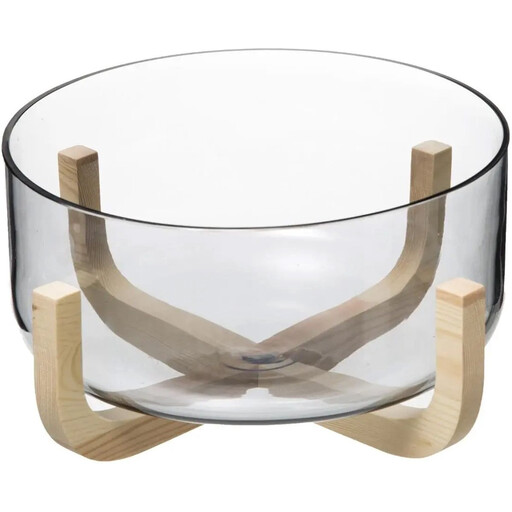
Why this product suits this profile: The round bowl with wooden frame is designed for serving salads, fruit and snacks. It is a great choice for kitchens where storage and presentation are treated as separate purposes.
The care instructions distinguish between the glass and wood: the glass section is dishwasher-safe, while hand washing is recommended for the wooden frame.
24 cm diameter, 2,500 ml capacity and a combination of transparent glass and wooden holder.
We have put together a complete, regularly updated list of products that fully meet these strict selection criteria and the safety regulations applicable in the EU.
No. Microwave suitability must be expressly stated in the product description or instructions for use. With many models, only the glass body may be placed in the microwave, not the lid. Sudden, extreme temperature changes should also be avoided.
Their lifespan depends on the type of glass, how they are used and how they are cared for. Glass can break if knocked, dropped or exposed to thermal shock. Seals and plastic lids can wear out independently of the glass body. Regular checks and following the manufacturer’s instructions can help you identify damage at an early stage.
Yes, provided that the size, closure and suitability for refrigeration or freezing match the intended use. Compact glass food storage containers are practical for individual portions. For larger meals or dry provisions, models with capacities of around 950 millilitres to 2 litres may be suitable. The stated temperature limits and instructions for using the lid remain decisive.