
Lieferung heute & morgen

Qualitätsgarantie

Willkommens-Angebote freischalten: KOSTENLOSE Lieferung | Bis zu 80 % RABATT | Kostenlose 30-Tage-JoyPlus-Testphase
App herunterladen
Glass noodles are a staple of Asian cuisine, but the selection can be overwhelming. Not every translucent noodle is suitable for every dish. The wrong purchase often leads to a disappointing culinary result—be it a soggy noodle salad or a Japchae that lacks its signature chewiness. This guide will help you avoid the most common pitfalls and identify the perfect glass noodles for your needs.
Before we dive into the details, let's clear up two common misconceptions that often lead to frustration in the kitchen.
To choose the right glass noodles, focus on two core characteristics: the starch source and the declared ingredients.
The starch used is the most critical factor for texture and application.
Mung Bean Noodles (e.g., Longkou Vermicelli): These noodles are made from mung bean starch, sometimes combined with pea starch. They are typically very thin, turn almost transparent after cooking, and have a delicate, smooth texture. They absorb the flavours of sauces and broths exceptionally well.
Sweet Potato Noodles (Dangmyeon): Made from 100% sweet potato starch, these noodles are thicker, greyer when dry, and develop a uniquely chewy and elastic consistency when cooked. They are more resilient to heat and retain their bite even in stir-fries or hot pot dishes.
A short, understandable ingredients list is often a sign of quality.
Here are some recommendations tailored to specific user profiles that take the above criteria into account.
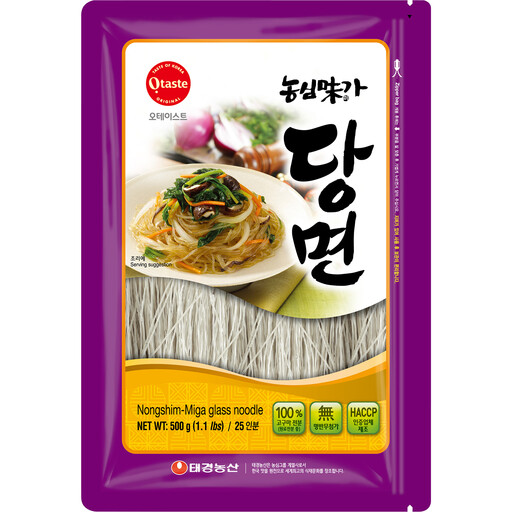
Why This Fits Their Persona: Anyone looking to prepare authentic Japchae needs noodles with a specific, chewy-elastic texture. These sweet potato noodles deliver exactly that and are the standard choice in Korean cuisine.
This product bypasses the "texture misconception" as it is explicitly designed as Dangmyeon (Korean sweet potato noodles) and cannot be confused with softer mung bean noodles.
Made from 100% sweet potato starch for authentic flavour and bite. Naturally gluten-free and holds its shape when stir-fried in a wok.
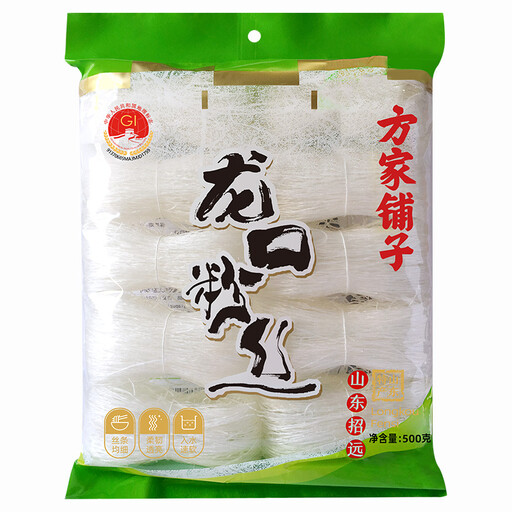
Why This Fits Their Persona: For home cooks looking for a reliable, all-purpose glass noodle for the pantry. These Longkou vermicelli are suitable for a wide variety of dishes, from soups to salads.
The ingredients list (mung bean starch, water) is clear and simple, avoiding the "gluten trap." It is a reliable, naturally gluten-free noodle.
The 500g value pack offers excellent value for money. The fine texture is ideal for absorbing flavours without overpowering the dish.

Why This Fits Their Persona: Those who enjoy making hot pot or rich Asian stews need noodles that won't disintegrate in hot broth and will retain their chewy texture.
These noodles solve the problem of thin vermicelli quickly turning mushy in a hot pot. Their robust sweet potato base ensures a long-lasting, pleasantly chewy consistency.
The straight shape makes them easier to handle in the pot. The noodles absorb the broth's flavour well without losing their structure.
We have compiled a complete, up-to-date list of products that fully meet these strict selection criteria.
Yes, soaking before cooking is recommended for most types of glass noodles. It significantly shortens the cooking time and ensures a more even texture. Thin mung bean noodles often only need 10–15 minutes in warm water, while thicker sweet potato noodles may require 30 minutes or more. Without soaking, you risk the noodles being soft on the outside while still hard in the centre.
No, not necessarily. Although many traditional Asian noodles are made from gluten-free starches like mung bean, sweet potato, or pea, there are products on the market that contain wheat starch as an ingredient. If you have celiac disease or a gluten intolerance, it is essential to carefully check the ingredients list on the packaging before buying.
The main difference lies in the raw material and the resulting texture. Longkou vermicelli are classic Chinese glass noodles, typically made from mung bean starch. They are very thin, delicate, and well-suited for soups and salads. Dangmyeon are Korean glass noodles made from sweet potato starch. They are significantly thicker, chewier, and more elastic, and are considered an indispensable ingredient for the dish Japchae.