
当日/次日达

品质保障

开启新人专享福利: 全场免邮 | 低至 2 折 | 免费试用 30 天 JoyPlus 会员
下载 Joybuy
Anyone looking to buy glass noodles can quickly be faced with several varieties in the Asian food section: mung bean noodles, Korean dangmyeon, rice noodles, sweet potato noodles or konjac noodles. However, their transparent appearance alone reveals little about their texture, ingredients or the best way to prepare them. For a successful japchae, hotpot or Vietnamese noodle salad, other characteristics matter.
Asian glass noodles can be made from different types of starch. Classic Longkou vermicelli is often made from mung bean, pea or corn starch. Korean dangmyeon, on the other hand, is usually based on sweet potato starch. Rice noodles are also translucent to whitish, but have a different bite and behave differently when soaked.
If you buy based solely on appearance, you may therefore end up with noodles that are unsuitable for the dish you have planned.
A small 200 to 250 g pack may be enough for several dishes if the noodles are used as an accompaniment. For regular stir-fries or larger households, 400 g, 500 g or 1 kg packs are more practical. However, larger packs should be stored somewhere dry and in a container that can be sealed securely.
Depending on the product, thin mung bean noodles often only need soaking or a few minutes of cooking. Thicker Korean sweet potato noodles frequently require around 6 to 8 minutes of cooking time. Pre-cooked or fresh vermicelli may require less preparation. Always follow the instructions on the relevant packaging.
The ingredients list is the most reliable place to start. According to the product information, Sunlee Long Kou Vermicelli 250g contains mung bean starch, pea starch, corn starch and water. Sunlee Mung Bean Vermicelli (100%) 500g is labelled as consisting of 100% bean starch.
Sweet potato starch, on the other hand, is typical of Korean dangmyeon. This applies, for example, to Shiyiji Korean Traditional Sweet Potato Vermicelli 400g and Nongshim Glass Noodles Sweet Potato Miga 500g. Allergen information varies from product to product. Sunlee Long Kou Vermicelli 500g, for example, lists wheat as an allergen, while no known allergens are stated for other products. If you have any intolerances, always check the current labelling on the packaging.
Dry Asian noodles should be stored in a cool, dry place away from direct sunlight. Once opened, an airtight container is recommended. Depending on the packaging, fresh or vacuum-packed products should be kept in the fridge and used promptly after opening.
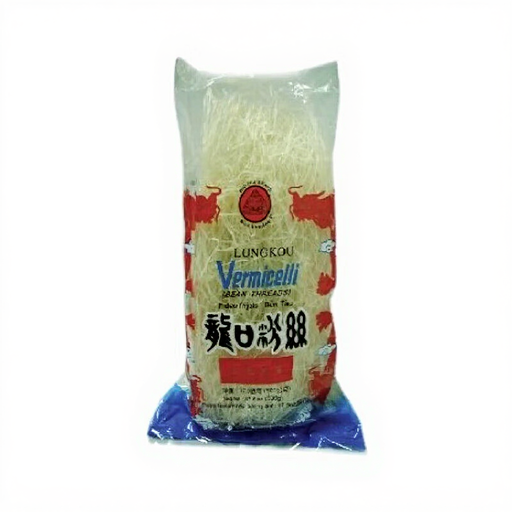
Why this product suits the profile: The 250 g pack is suitable for first stir-fries, soups or hotpot evenings, without requiring you to buy a large quantity straight away.
The ingredients and preparation instructions are clearly stated. This makes it easier to choose the noodles for a specific dish than a product described only as “Asian Noodles”.
Mung bean, pea and corn starch; according to the product information, 250 g contents and quick preparation depending on the recipe.
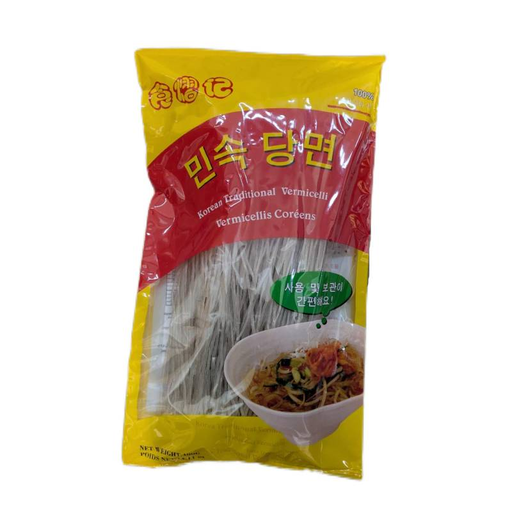
Why this product suits the profile: If you specifically cook Korean dishes, you get noodles designed for dangmyeon and made from 100% sweet potato starch.
The noodles are defined not only by their transparent appearance, but also by their starch, cooking time of around 6 to 8 minutes and the recommended cold rinse.
100% sweet potato starch according to the product information; 400 g pack; intended for japchae and hotpot.
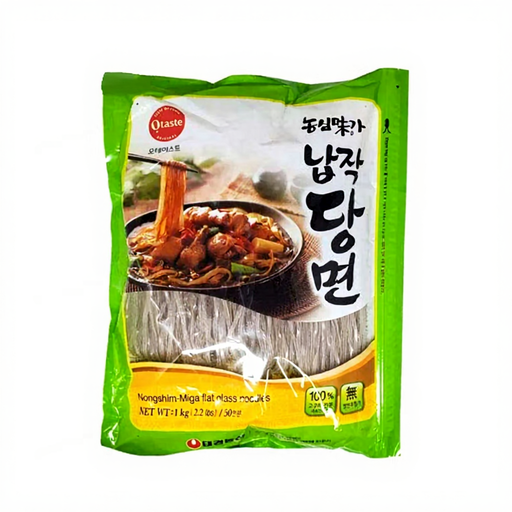
Why this product suits the profile: The 1 kg pack is suitable for households that regularly prepare Korean noodle dishes, soups or hotpot.
The flat noodle shape and the ingredient declaration of 100% sweet potato starch provide a clear basis for choosing according to texture and dish.
Flat shape; 1 kg contents; according to the product information, no declared allergens.
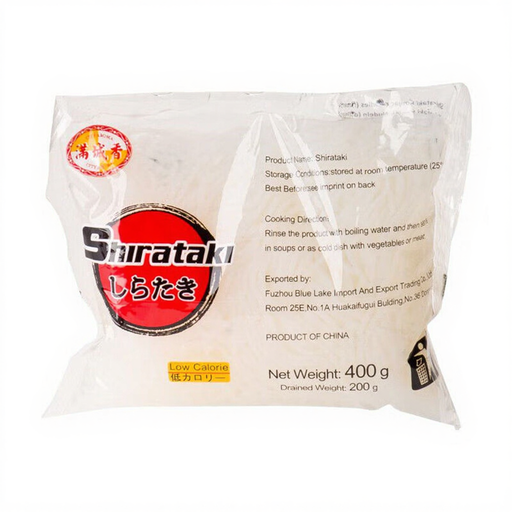
Why this product suits the profile: These ready-to-eat konjac noodles only need rinsing before being added to soups, stir-fries or salads.
The pack lists water, konjac flour and calcium hydroxide as ingredients. It also clearly describes the recommended preparation of rinsing and briefly blanching the noodles.
400 g contents; according to the nutritional information, 9,5 kcal per 100 g; gluten-free and vegan according to the product description.
When preparing dry glass noodles, use plenty of water to prevent the strands from sticking together. After soaking or cooking, rinsing them in cold water helps remove excess starch and stops the cooking process. For stir-fries, it is best to add the noodles to the pan after draining them lightly, so the sauce does not become too diluted.
With konjac or shirataki noodles, thorough rinsing is particularly important because they are packaged in liquid. For dry pan-fried dishes, briefly frying them without oil can help reduce any remaining moisture.
We have put together a complete, regularly updated list of products that fully meet these strict selection criteria and the safety regulations applicable in the EU.
Traditional japchae is made with Korean dangmyeon from sweet potato starch. They are usually cooked, rinsed in cold water and then mixed with vegetables, sauce and other ingredients, or briefly stir-fried.
The best-before date is shown on the packaging. Unopened dry noodles should be stored in a cool, dry place protected from moisture. Once opened, an airtight container is recommended. For fresh or vacuum-packed varieties, follow the respective manufacturer’s instructions.
No. Rice noodles are made mainly from rice or rice flour and have a different texture from mung bean or sweet potato vermicelli. All varieties may be suitable for soups, salads, spring rolls and stir-fries, provided the preparation time and texture are right for the recipe.