
Lieferung heute & morgen

Qualitätsgarantie

Willkommens-Angebote freischalten: KOSTENLOSE Lieferung | Bis zu 80 % RABATT | Kostenlose 30-Tage-JoyPlus-Testphase
App herunterladen
Sweet potato glass noodles are growing in popularity in Germany, especially among fans of Asian cuisine. Their unique, chewy texture and versatility make them a sought-after ingredient for hot pot, stir-fries, and soups. However, there are a few pitfalls to watch out for when buying them, which can lead to a disappointing cooking experience. Many products on the market look similar but differ significantly in quality and suitability.
This guide will show you what to look for to find the right noodles for your dish and avoid typical buyer's remorse.
Common Problems When Buying Sweet Potato Glass Noodles
To avoid these problems, you should check three key parameters before you buy. These will help you objectively assess product quality and make an informed decision.
The most important characteristic of authentic sweet potato glass noodles is their chewy, elastic consistency, often described as a "Q texture." This is primarily determined by a high content of pure sweet potato starch.
The shape of the noodle is crucial for the success of your dish.
The time you have available and your cooking plans will determine which format is right for you.
Based on the criteria above, we have identified a few products that are well-suited for specific user profiles.
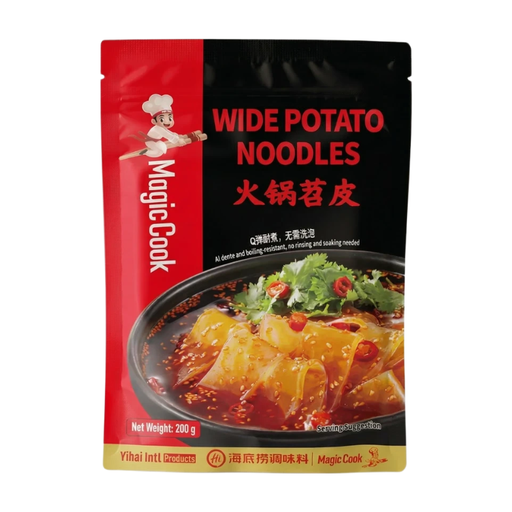
Why It's a Match: Specifically developed for use in hot pot. The wide noodle shape and robust texture are ideal for cooking in a simmering broth without losing their form.
This product sidesteps the "wrong noodle shape" problem. It is explicitly designed for hot pot, delivering the necessary stability and texture.
Stays firm and chewy during cooking; the wide shape absorbs the broth's flavour well.
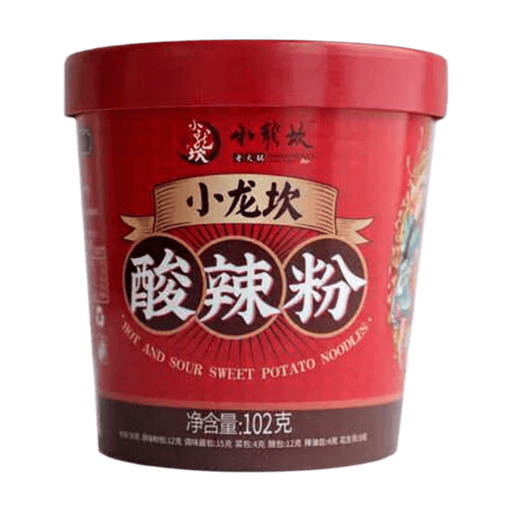
Why It's a Match: A complete instant meal (Suan La Fen) that's ready in minutes. Ideal for a quick, flavour-packed meal without the fuss.
Solves the "unclear instructions" problem with an all-in-one format and simple preparation (just add hot water). All components are perfectly balanced.
Authentic Sichuan flavour (spicy, sour, aromatic); includes all necessary seasoning packets and toppings for a complete dish.
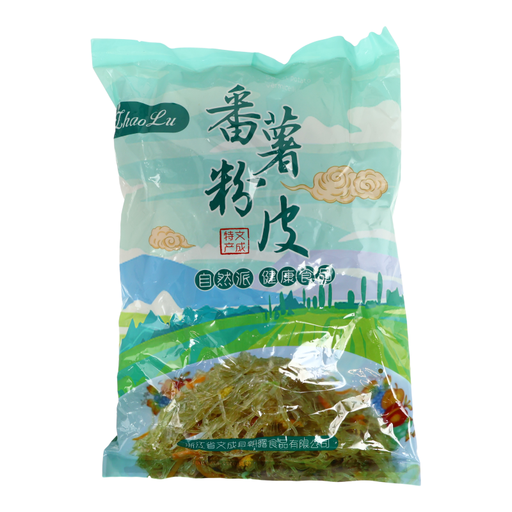
Why It's a Match: For anyone seeking a pure, unprocessed base for their own culinary creations. Ideal for health-conscious consumers and cooks who value pure ingredients.
According to the manufacturer, this product is made from 100% sweet potato starch and water. It avoids the "misleading ingredient lists" pitfall, offering a pure, authentic product.
Free from additives, naturally gluten-free, and fat-free. Offers maximum versatility for a wide range of dishes.
If you want to buy Asian noodles or are looking for other sweet potato products, you'll find more vetted items in our curated selection.
Yes, when made exclusively from sweet potato starch and water, they are naturally gluten-free. However, it is always important to check the ingredient list. In instant meals, the included soy sauces or seasoning packets may contain wheat and therefore gluten.
The most common method is a two-step process:
The main difference is the raw material. Regular, often very thin, glass noodles are typically made from mung bean starch. Sweet potato glass noodles, as the name suggests, are derived from the starch of sweet potatoes. This results in significant textural differences: sweet potato noodles are generally thicker, chewier, and more elastic, while mung bean glass noodles are finer and more delicate.