
Lieferung heute & morgen

Qualitätsgarantie

Willkommens-Angebote freischalten: KOSTENLOSE Lieferung | Bis zu 80 % RABATT | Kostenlose 30-Tage-JoyPlus-Testphase
App herunterladen
Glass noodles are a staple in many Asian cuisines, but the selection at the supermarket or online can be overwhelming. From paper-thin vermicelli to wide, chewy ribbons, the differences are significant and crucial for the success of a dish. Choosing the wrong noodles can risk a mushy result in a hot pot or an unsuitable texture in a glass noodle salad.
This guide will help you avoid the most common pitfalls when buying glass noodles. We'll explain the key features to look for so you can find the perfect variety for any dish—from Korean Japchae to Chinese soups.
Many shoppers just look for the name "glass noodle" without considering the specific properties. This often leads to disappointment in the kitchen.
To buy the right glass noodles, you should check two key parameters: the starch source and the noodle shape.
The type of starch used is the most important factor influencing taste, texture, and cooking behaviour.
The shape of the noodle determines how well it absorbs sauces and what its mouthfeel is like.
Here are some recommendations tailored to specific requirement profiles, taking the above criteria into account.
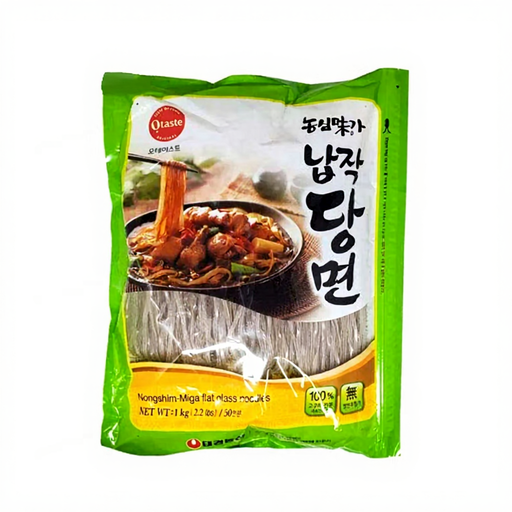
Why This Fits Their Persona: Anyone who wants to prepare authentic Korean Japchae needs noodles with a specific, chewy texture. This product delivers exactly that and is available in a generous 1kg package, ideal for regular use.
Made from 100% sweet potato starch, according to the manufacturer. This ensures you get the correct, firm-to-the-bite consistency for Japchae and don't accidentally use soft mung bean noodles.
Authentic texture for Korean dishes; naturally gluten-free; no added salt or fat.
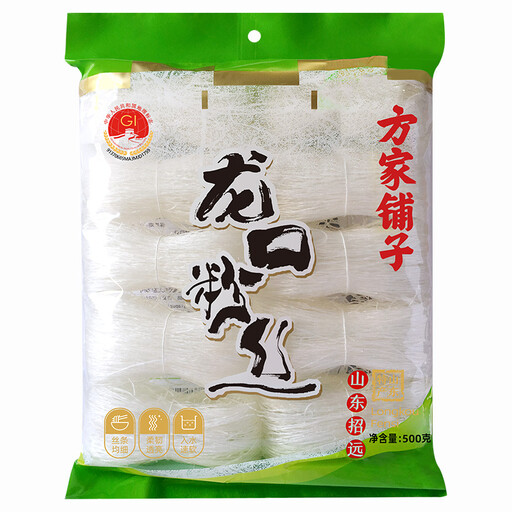
Why This Fits Their Persona: For home cooks looking for a versatile, light, and gluten-free noodle alternative for salads, soups, or stir-fries. These thin noodles are quick to prepare and suit many recipes.
The ingredient list specifies only mung bean starch and water. This eliminates the risk of hidden gluten from wheat starch and guarantees authentic Longkou vermicelli quality.
Fine, translucent texture; absorbs flavours very well; quick-cooking and versatile.
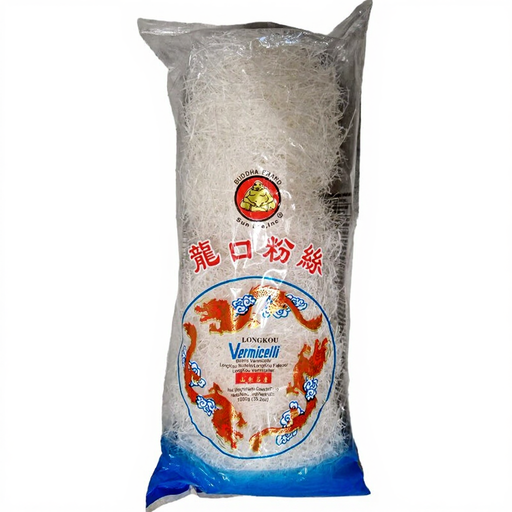
Why This Fits Their Persona: Those who often make hot pot or Asian soups appreciate convenient ingredients. The pre-cut noodles save time and are easier to handle and eat than long strands.
Solves the problem of unwieldy, long noodles that clump in the pot or are difficult to pick up with chopsticks. The pre-cut shape is optimised for communal meals like hot pot.
Huge time-saver during preparation; firm texture that remains stable even in hot broth; 1kg bulk package.
We have compiled a complete, up-to-date list of products that fully meet these strict selection criteria and applicable regulations.
No, not necessarily. Gluten-free glass noodles are only those made from pure mung bean, sweet potato, or potato starch. Some products, especially more budget-friendly variants, may contain wheat starch ('Edible Wheat Starch') and are therefore not suitable for a gluten-free diet. A careful look at the ingredient list on the packaging is therefore always required.
Proper preparation is key. Most dried glass noodles should be soaked in warm water before cooking for the time indicated on the package (often 10–20 minutes). Then, cook them in plenty of boiling water until they reach the desired consistency. The most important step is to immediately rinse them under cold water after draining. This stops the cooking process, removes excess starch from the surface, and effectively prevents them from sticking together.
The main difference lies in the raw material and the resulting texture. Korean glass noodles (Dangmyeon) are traditionally made from sweet potato starch. They are thicker, often slightly greyish, and known for their distinctly chewy, elastic consistency, which makes them ideal for the stir-fry dish Japchae. Chinese vermicelli (Longkou noodles) are usually based on mung bean starch. They are significantly thinner, almost transparent after cooking, and have a finer, less chewy texture that is well-suited for light dishes like salads and soups.