
Lieferung heute & morgen

Qualitätsgarantie

Willkommens-Angebote freischalten: KOSTENLOSE Lieferung | Bis zu 80 % RABATT | Kostenlose 30-Tage-JoyPlus-Testphase
App herunterladen
Anyone looking to prepare authentic Asian dishes will often come across one key ingredient in recipes: tamarind. But when you try to buy tamarind, confusion quickly sets in. The options range from solid blocks to pastes, concentrates, and even ready-made drinks. Choosing the wrong product can not only compromise the flavour of a dish but also lead to unnecessary hassle in the kitchen. This guide will help you avoid the most common pitfalls and find the right form of tamarind for your culinary needs.
Before you make a decision, you should be aware of the typical problems that can arise when selecting tamarind products.
To choose the right product, you should check two central aspects: the processing form and the ingredient list.
The form in which you buy tamarind determines the effort required and its intended use.
The ingredient list reveals the quality and character of the product.
Here are some recommendations tailored to different needs and cooking habits.
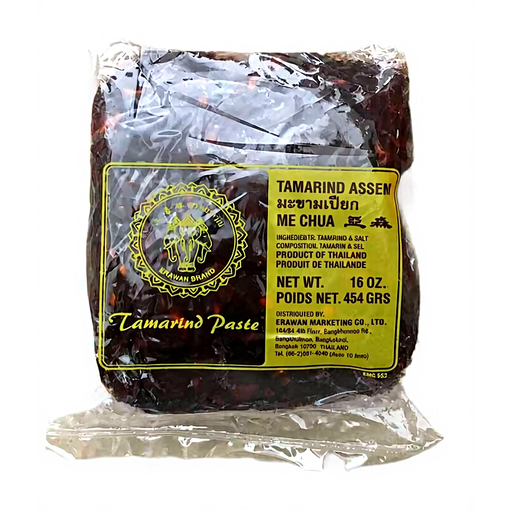
Why This Fits Their Persona: This paste is ready-to-use and seedless, making it ideal for home cooks trying Asian dishes like curries or sauces for the first time who don't want to deal with the laborious preparation of a tamarind block.
The product avoids the "wrong consistency" pitfall. It delivers a smooth, instant-use paste that makes the extra step of soaking and straining redundant.
Extremely user-friendly due to its ready-to-use form. The consistency is suitable for a wide variety of sauces and marinades.
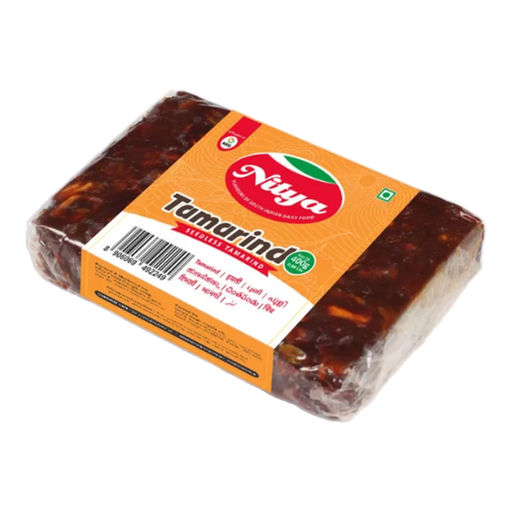
Why This Fits Their Persona: For cooks who value authenticity and full control. This product consists of 100% deseeded tamarind pulp, allowing them to determine the concentration and flavour of the paste themselves.
It avoids the "hidden additives" pitfall. According to the manufacturer, the product contains only tamarind, with no added sugar, salt, or preservatives.
100% pure product for an unadulterated flavour. The consistency can be individually adjusted by varying the amount of water added.
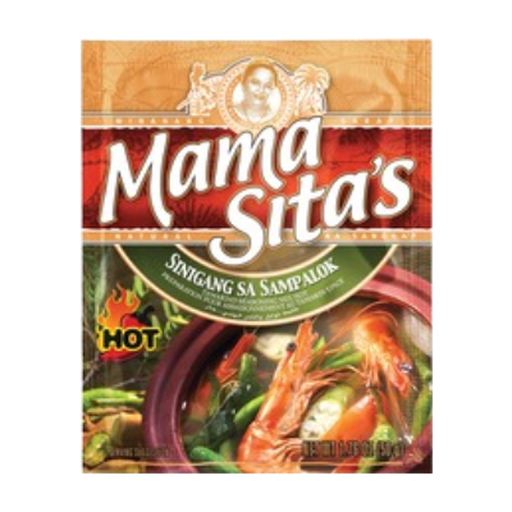
Why This Fits Their Persona: This spice mix is an all-in-one solution for preparing Sinigang, a Filipino sour soup. It is ideal for anyone who wants to cook a specific dish with an authentic taste quickly and without much effort.
This product solves the "unclear concentration" problem. As a ready-made Sinigang spice mix, all ingredients are already blended in the correct proportions, which simplifies seasoning and portioning.
Maximum time savings and foolproof preparation for a specific dish. All necessary spices are included in one packet.
We have compiled a complete, up-to-date list of products that fully meet these strict selection criteria and local regulations.
1. How long does opened tamarind paste last? The shelf life after opening depends on the ingredients. A paste with preservatives will last for several weeks to months in the refrigerator in an airtight container. Pure tamarind paste or homemade pulp should be used within a few weeks. Always follow the manufacturer's instructions on the packaging.
2. Can you substitute tamarind concentrate for paste? Yes, substitution is possible, but it requires adjusting the quantity. Since tamarind concentrate is generally more intense, you should start with about half the amount specified for paste in the recipe. Taste the dish and add more if needed to achieve the desired acidity.
3. Is tamarind very sour? Tamarind has a characteristic sweet-and-sour flavour profile. The level of acidity varies depending on the ripeness of the fruit and how it's processed. Unripe, green tamarind is significantly more sour than the ripe, brown fruit. Most commercial products sold as Asian cooking ingredients offer a balanced, pleasantly sour taste that is essential for many dishes.