
Lieferung heute & morgen

Qualitätsgarantie

Willkommens-Angebote freischalten: KOSTENLOSE Lieferung | Bis zu 80 % RABATT | Kostenlose 30-Tage-JoyPlus-Testphase
App herunterladen
Preparing an authentic Chicken Tikka Masala at home can be a culinary delight. The key to a successful dish often lies in the quality of the spice paste used. However, the market offers a plethora of options, and not every Tikka Masala Paste delivers on its promise. Many home cooks invest in products that end up being a flavour disappointment or use unnecessary additives that detract from the authentic aroma.
This guide will help you navigate the common pitfalls of purchasing a paste. We'll show you the crucial features to look for to find an Indian cooking paste that lends an authentic and balanced depth to your dishes, whether it's a classic chicken curry, a vegetarian version with paneer, or grilled vegetables.
Before choosing a product, it's helpful to understand the most common issues that lead to an unsatisfactory cooking experience.
To make an informed decision, focus on three objective parameters. These will help you evaluate the quality of a Tikka Masala Paste or Chicken Tikka spice mix regardless of marketing claims.
The most revealing information is found on the ingredient list. Pay attention to the following:
It's important to distinguish between a concentrated spice paste and a ready-made Tikka Masala sauce.
For an authentic Chicken Tikka recipe, a paste provides a more flexible foundation.
Depending on your diet and personal preferences, other criteria may be decisive.
Here are two recommendations tailored to different needs and cooking styles.
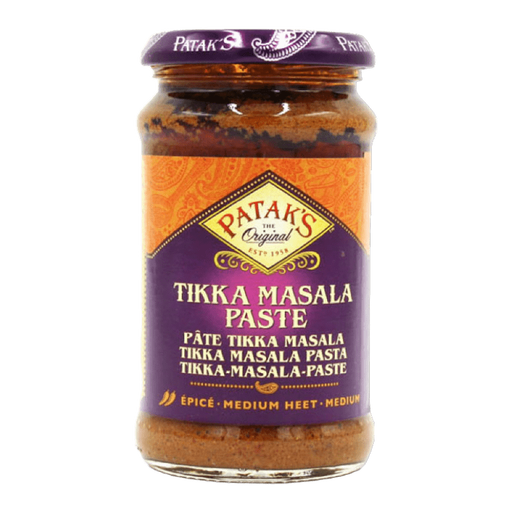
Why This Fits Their Persona: Ideal for home cooks who want a reliable and quick result without the hassle of mixing individual spices. The paste form is easy to portion and integrates seamlessly into recipes to create a creamy and mild curry base. Anyone specifically looking to buy Patak's paste will find a tried-and-true classic here.
The paste relies on a balanced spice blend with a 20% spice content instead of excessive sugar or salt. The ingredient list is transparent and focuses on traditional components like turmeric, paprika, and coriander.
Balanced, mild flavour and easy to use. The paste is vegetarian and versatile enough for chicken, lamb, or vegetables.
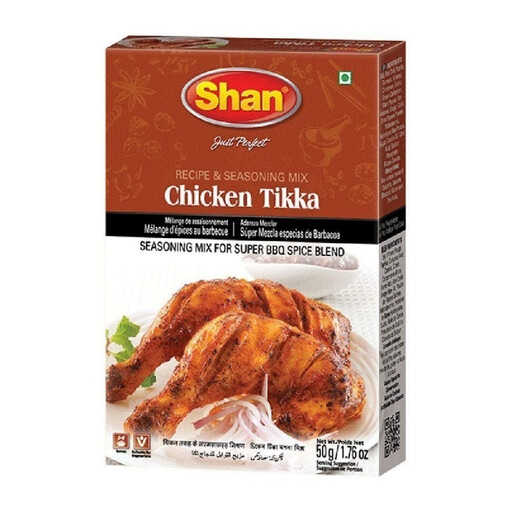
Why This Fits Their Persona: Perfect for cooks who want to achieve an authentic grilled flavour. This dry Shan spice mix is specifically designed for creating a marinade, giving meat (or an alternative) an intense flavour before grilling or roasting in the oven.
As a dry spice mix, it contains no liquid fillers, added sugar, or excessive salt. The focus is purely on the spices for an authentic BBQ flavour, without any watery dilution.
Halal-certified and designed for a traditional marinade. It allows for an intense, smoky flavour experience that is difficult to achieve with a ready-made sauce.
We have compiled a complete, up-to-date list of products that fully meet these strict selection criteria and comply with current regulations.
Once opened, a spice paste should be stored in the refrigerator. Most products will last for about 4 to 6 weeks there. Always follow the manufacturer's instructions on the label. A thin layer of oil forming on the surface is normal and helps to preserve the paste.
Yes, most Tikka Masala pastes are plant-based and are excellent for vegetarian or vegan dishes. They pair well with paneer (Indian cheese), tofu, chickpeas, or firm vegetables like cauliflower, potatoes, and bell peppers.
The main difference lies in concentration and flexibility. A curry paste for chicken or vegetables is a highly concentrated spice base that you can turn into a sauce by adding liquids like yoghurt, coconut milk, or chopped tomatoes. A ready-made sauce is already mixed with these liquids, is ready to eat, and offers less room for customisation.