
Lieferung heute & morgen

Qualitätsgarantie

Willkommens-Angebote freischalten: KOSTENLOSE Lieferung | Bis zu 80 % RABATT | Kostenlose 30-Tage-JoyPlus-Testphase
App herunterladen
Konjac noodles, also known as shirataki noodles, have established themselves as a popular pasta alternative for a calorie- and carb-conscious diet. However, getting started can be tricky. Many first-time buyers are disappointed by the smell or texture and choose products that don't meet their expectations. This guide will help you navigate the most common pitfalls and find the right konjac noodles for your goals, whether for a keto diet, weight management, or simply a healthier lifestyle.
Before you make a decision, you should be aware of the typical issues that can spoil the experience. Understanding these points will help you critically evaluate marketing claims.
To find the right konjac noodles, you should check three core aspects. These determine the taste, texture, and suitability for your dietary needs.
The ingredients list is the most important indicator of quality and flavour profile. There are two main types:
Konjac noodles come in many shapes, suitable for different dishes. Choosing the right shape is crucial for the cooking experience.
Don't just focus on the calories. For a low-carb or keto diet, the net carbs are what matter. This is calculated by subtracting the dietary fibre from the total carbohydrates. Many konjac products have 0g of net carbs. For instant meals, a close look at the sugar and sodium content of the sauce is essential.
Here are some recommendations tailored to different needs and preferences.
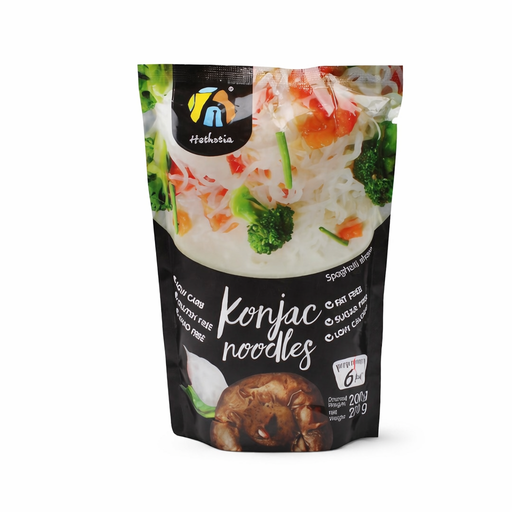
Why This Fits Their Persona: Ideal for anyone wanting to try konjac noodles in their purest form. The classic spaghetti shape is versatile, and the product focuses on core ingredients without additives.
Thanks to its pure composition, there are no hidden calories. The typical smell can be easily neutralised by rinsing thoroughly, as described in the article.
Extremely low in energy (6 kcal/100g according to the manufacturer) and 0g of net carbs. Perfect for strict diet plans.
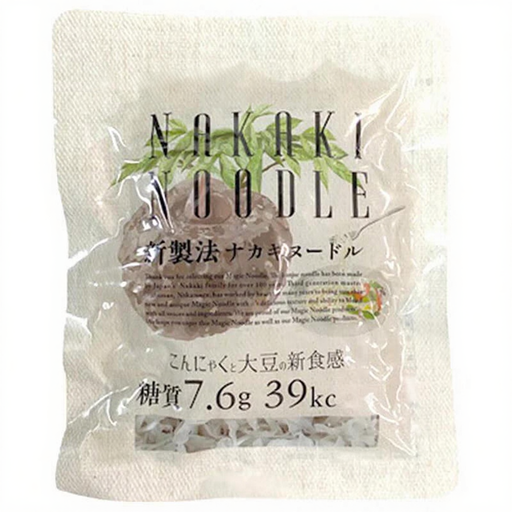
Why This Fits Their Persona: For users who want to avoid the typical konjac smell and rubbery texture. The blend with soy aims for a more pasta-like eating experience.
Directly addresses the pitfalls of smell and texture. According to the manufacturer, this variety is odourless and has a texture more similar to wheat pasta.
Combines the benefits of konjac (0 kcal according to the manufacturer) with an improved sensory experience. Preparation is simpler as the intensive rinsing step can be skipped.
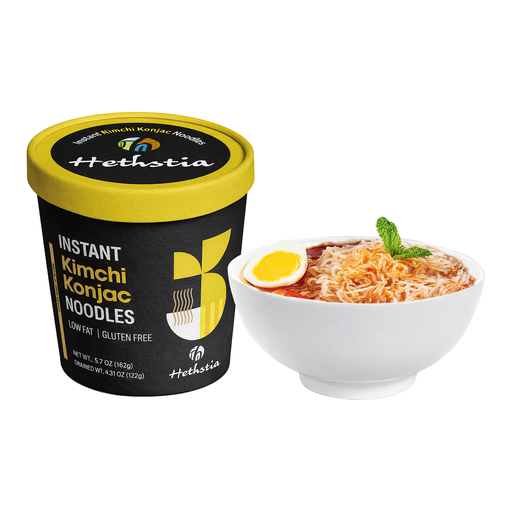
Why This Fits Their Persona: Perfect for a quick and easy meal at the office or at home. Everything is included, and preparation takes just a few minutes in the microwave or with boiling water.
The nutritional information is transparent. At 34 kcal per serving, the meal remains very low in calories, thus avoiding the "hidden calorie" trap of many other ready-made meals.
Maximum convenience with a complete, flavourful meal. Solves the problem of bland noodles with a pre-seasoned Kimchi soup base.
We have compiled a complete, up-to-date list of products that fully meet these strict selection criteria and local regulations.
1. How do I get rid of the fishy smell of konjac noodles? The smell can usually be completely removed. Open the package, drain the liquid, and rinse the noodles thoroughly in a sieve under cold, running water for 1–2 minutes. For best results, you can then blanch the noodles in boiling water for one minute and drain again.
2. Do konjac noodles have side effects? Konjac noodles are very rich in the dietary fibre glucomannan, which expands in the stomach. It is therefore important to drink plenty of water when consuming them. If you are not used to a high-fibre diet, it is advisable to start with smaller portions to allow your digestive system to adapt to the increased fibre intake.
3. What do konjac noodles really taste like? By themselves, konjac noodles are almost tasteless. Their strength lies in their ability to absorb the flavours of the sauces, spices, and broths they are prepared with. The texture is their defining characteristic: it's firm to the bite and slightly chewy. Enriched varieties (e.g., with oat or soy) have a texture that more closely resembles wheat pasta.