
Lieferung heute & morgen

Qualitätsgarantie

Willkommens-Angebote freischalten: KOSTENLOSE Lieferung | Bis zu 80 % RABATT | Kostenlose 30-Tage-JoyPlus-Testphase
App herunterladen
A Korean face cream can be lightweight, rich, soothing or focused on active ingredients such as retinol, depending on its formulation. However, the choice is extensive, and product claims on packaging do not always make it clear whether a cream suits your skin type and skincare routine. In Germany in particular, the current INCI list, directions for use and product labelling also play an important role.
Numerous plant extracts, peptides or fermented ingredients may sound convincing. However, what matters is which ingredients appear near the top of the INCI list and whether the texture suits your everyday routine. A Korean moisturiser with many ingredients may be less straightforward for sensitive skin than a formulation with a few clearly identifiable moisturising agents.
Gel creams are usually absorbed quickly and do not feel greasy. However, a lightweight texture alone may not be enough for very dry skin, particularly in winter or in dry centrally heated air. Conversely, rich creams can leave oily or blemish-prone skin feeling heavy.
Retinol and retinal are among the active ingredients that may require gradual use. An anti-ageing face cream containing retinol should not automatically be used every day alongside several other active products. A patch test is recommended for sensitive skin. During the day, sunscreen should be applied when using retinol.
For facial care for dry skin, creams containing glycerin, hyaluronic acid, squalane, shea butter or skin-identical lipids are often suitable. For combination or oily skin, a gel cream with a lightweight, non-sticky texture may fit better into your daily routine.
Also pay attention to the product size. 100 ml may be more economical with daily use, while a 20-ml product containing active ingredients initially offers a smaller size for testing.
A skin barrier cream should not only provide hydration but also help reduce moisture loss from the skin. Ceramides, cholesterol, phytosphingosine and fatty acids are relevant ingredients for this purpose. A ceramide cream is therefore particularly interesting if your skin feels dry, tight or stressed by external factors.
Panthenol, beta-glucan, Centella asiatica and allantoin are often used in formulations designed to provide soothing care. However, this does not indicate any medical treatment effect.
For retinol products, the concentration should be clearly stated. According to the product information, The Retinol 0.1 Cream contains 0.1% retinol. The manufacturer’s directions initially recommend gradual use. Stop using the product if redness or irritation occurs.
For every purchase, check the packaging for the INCI list, batch number, expiry date and directions for use. Formulations can change; the labelling on the product delivered is the definitive source.
The following selection categorises products according to specific usage situations. The information is based on the product details provided and is not a substitute for dermatological advice.
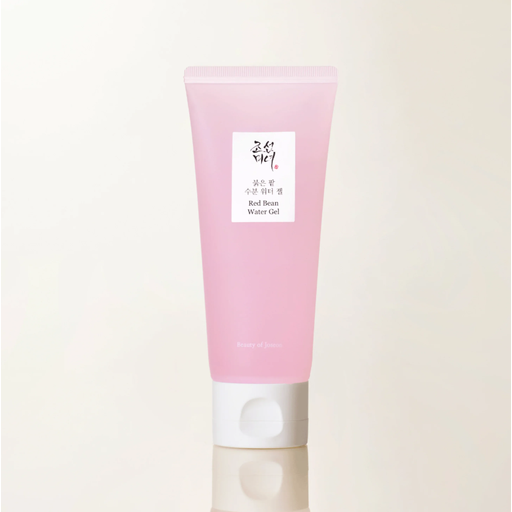
Why this product suits this profile: The 100-ml gel cream is suitable for anyone looking for lightweight daily hydration without a greasy finish.
The lightweight texture reduces the risk of a heavy-feeling finish, which may not suit every skin type.
Adzuki bean extract, glycerin, panthenol and beta-glucan; 100 ml content and a fast-absorbing gel cream texture.
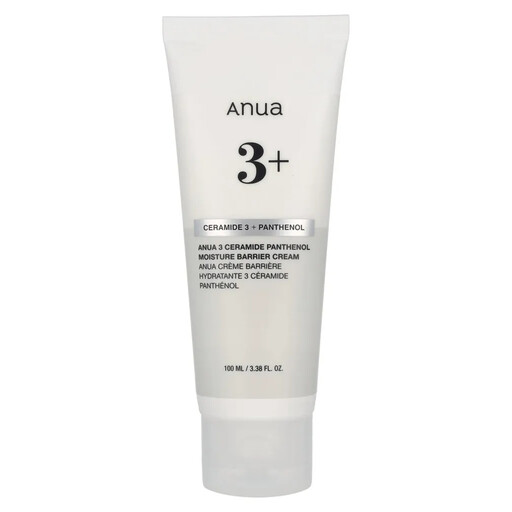
Why this product suits this profile: This formulation is aimed at shoppers who specifically look for ceramides and panthenol in a Korean moisturiser.
Its barrier-focused approach is clear from the three types of ceramide and the panthenol, rather than relying solely on general skincare claims.
100 ml content, panthenol, ceramides NP, AP and EOP, plus a lightweight, non-sticky texture according to the product description.
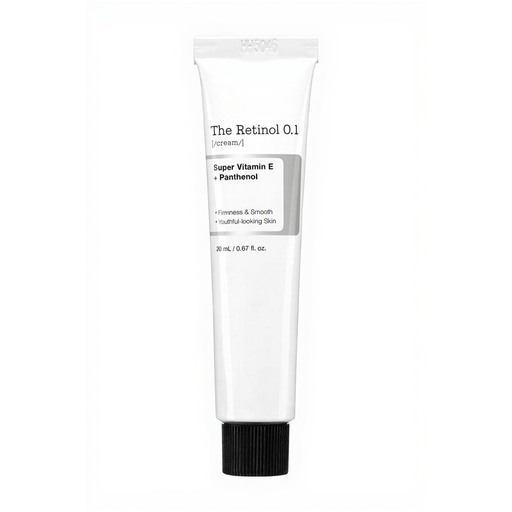
Why this product suits this profile: For anyone who wants to introduce retinol into their evening routine in a targeted way and with a small product size.
The concentration of 0.1% is stated clearly, while gradual use helps avoid introducing retinol into your routine too quickly.
Retinol 0.1%, panthenol and adenosine; 20 ml content for a controlled introduction. Use sun protection during the day.
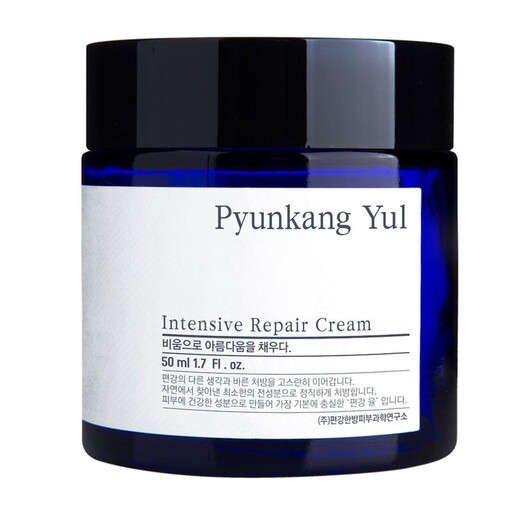
Why this product suits this profile: This richer moisturiser is suitable for dry skin and evening routines where moisturiser is the final step.
The creamy formula is clearly designed for dry skin, making it a more considered choice than any generic lightweight gel cream.
Ceramide NP, shea butter, macadamia oil and glycerin; according to the product information, free from fragrance, silicones and preservatives.
We have put together a complete, regularly updated list of products that fully meet these strict selection criteria and the safety regulations applicable in the EU.
Apply the face cream after cleansing and, if required, after toner or serum. Start with a small amount; for very dry skin, applying a slightly richer layer in the evening may be beneficial. If you have sensitive skin, test every new product on a small area of skin first.
Shelf life depends on the best-before date printed on the packaging or the symbol indicating the period of use after opening. Store the cream in a cool, dry place away from direct sunlight. Stop using it if its smell, appearance or your skin’s reaction changes.
For dry skin, richer formulations containing glycerin, shea butter, squalane, hyaluronic acid and ceramides may be suitable. Pyunkang Yul Intensive Repair Cream, for example, is designed for dry skin. Your personal skin feel and the complete INCI list remain the deciding factors.
That depends on your individual tolerance. Products containing panthenol, ceramides or Centella asiatica are often chosen for soothing skincare. Fragrances, essential oils and numerous active ingredients can be problematic for some people. A patch test before applying the product more widely is advisable.
This depends on the quantity, pack size and frequency of use. With daily use, a 100-ml pack will generally last longer than a 20-ml product. However, do not use more cream than necessary and follow the stated period of use after opening.