
Lieferung heute & morgen

Qualitätsgarantie

Willkommens-Angebote freischalten: KOSTENLOSE Lieferung | Bis zu 80 % RABATT | Kostenlose 30-Tage-JoyPlus-Testphase
App herunterladen
A good microwave-safe container set is more than just a collection of boxes. It's a cornerstone of an organised kitchen, simplifying meal prep and ensuring leftovers stay safe and fresh. But the market is flooded with products whose real-world performance only becomes clear after purchase—often with disappointing results. This guide will help you identify the crucial features and avoid common buying mistakes.
Many containers advertise features that don't hold up in everyday use. Pay close attention to these three points to avoid a bad investment:
To find the right food storage container set for your needs, you should check three core technical aspects. These define the product's durability, safety, and functionality.
The material is the foundation for its use. Each has specific pros and cons:
The lid is just as important as the container itself. There are three basic types:
For daily use, easy handling is crucial. Check if both the containers and lids are labelled as dishwasher-safe. This significantly simplifies cleaning. Another practical aspect is stackability. Well-designed sets can be nested or stacked, saving valuable space in your kitchen cabinets.
Based on the criteria above, we have identified some products that are well-suited for different use cases.
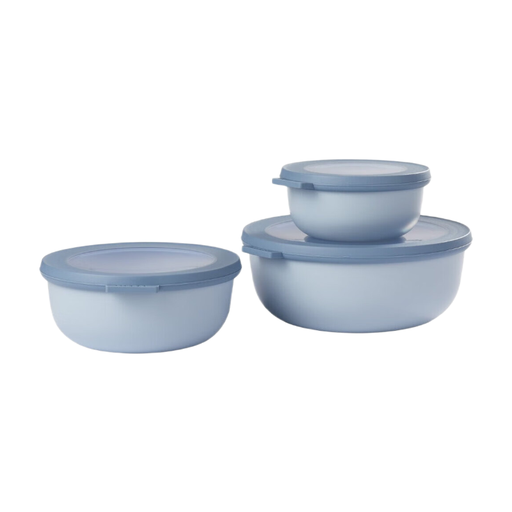
Why this set is a great fit: This set is designed for people who regularly prepare and transport meals. The three different sizes cover everything from soup to salad. The focus is on functionality for the entire process: chilling, transporting, heating, and serving.
According to the manufacturer, the lid is 100% airtight and leak-proof, which solves the pitfall of leaky transport. The high-quality material is suitable for the freezer and microwave (without the lid) and is also dishwasher-safe.
The set is nestable to save space. The transparent lid allows for a quick overview of the contents without having to open it.
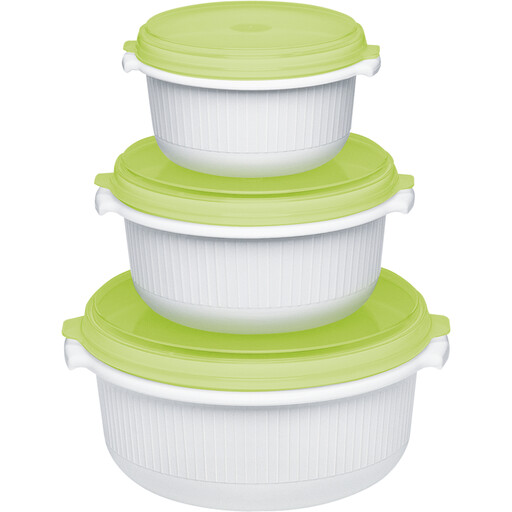
Why this set is a great fit: Ideal for students or as a basic starter kit. This set offers three common sizes for simple storage and reheating of food at home. The focus is on solid, basic functionality at an accessible price.
The manufacturer honestly describes the lid as a splatter guard for heating, not as leak-proof. The material is rated for temperatures from -40 to +80 degrees Celsius, providing clear usage guidelines.
The set is dishwasher- and freezer-safe. The side handles make it easier to remove from the microwave. The material is described as odourless and flavour-neutral.
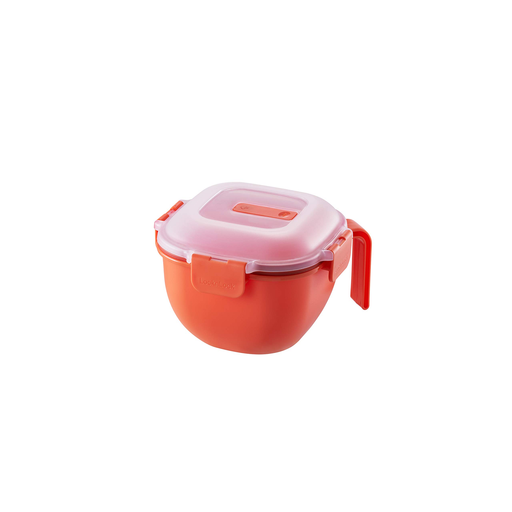
Why this container is a great fit: This single container is specifically designed for transporting and reheating a single meal. It's an excellent choice for professionals who need a reliable, leak-proof solution for their lunch.
The locking system is renowned for being leak-proof. An integrated steam vent in the lid solves the problem of pressure build-up and splattering in the microwave, addressing the "unsuitable lid" pitfall.
According to the manufacturer, the container is made of BPA-free polypropylene and is heat-resistant up to 140°C. It is suitable for cleaning in the dishwasher.
We have compiled a complete, up-to-date list of products that fully meet these strict selection criteria and safety standards.
1. Can every microwave-safe container set also be frozen? Not necessarily. Look for the snowflake symbol on the product or in its description. The material must be flexible enough not to become brittle and break at low temperatures. Most high-quality food storage container sets made of PP plastic are suitable for both the microwave and the freezer.
2. How do you clean stained plastic microwave containers? Prevention is the most effective approach here. Avoid storing or intensely heating highly staining foods like tomato or curry sauces in plastic containers for extended periods. For existing stains, a paste of baking soda and water can help. Rub the paste onto the affected areas, let it sit, and then rinse thoroughly. Glass or ceramic dishes are resistant to staining.
3. What does "BPA-free" mean and why is it important? BPA (Bisphenol A) is an industrial chemical used in the production of certain plastics. There is concern that BPA can leach from containers into food, especially when heated. The BPA-free label indicates that the product was made without this chemical. This is a common standard for high-quality food containers today and an important feature for health-conscious consumers.