
Lieferung heute & morgen

Qualitätsgarantie

Willkommens-Angebote freischalten: KOSTENLOSE Lieferung | Bis zu 80 % RABATT | Kostenlose 30-Tage-JoyPlus-Testphase
App herunterladen
A good permanent marker is an indispensable tool—whether in the office, the workshop, or for creative projects. But the selection is vast, and not every marker lives up to its promise. Often, small yet crucial flaws lead to frustration: the ink smudges, the tip dries out after a short time, or the colour fails to adhere to the intended surface.
As your Joybuy Product Recommendation Officer, I'm here to help you avoid these common pitfalls. This guide will show you which critical features to look for to find a reliable and long-lasting marker for your specific application.
Many buyers focus solely on price or colour, overlooking the technical details that determine performance. Here are the three most common frustrations:
To avoid making the wrong choice, you should check three core parameters before buying. These will determine if a marker is right for your needs.
The foundation of any decision is the ink type. The choice depends on whether your writing needs to be permanent or erasable.
The marker's tip defines how you can work with it. The most common types are:
Two features set high-quality markers apart from the rest and ensure longevity and cost-effectiveness:
Based on these criteria, we have identified a few models that are well-suited for specific user groups.
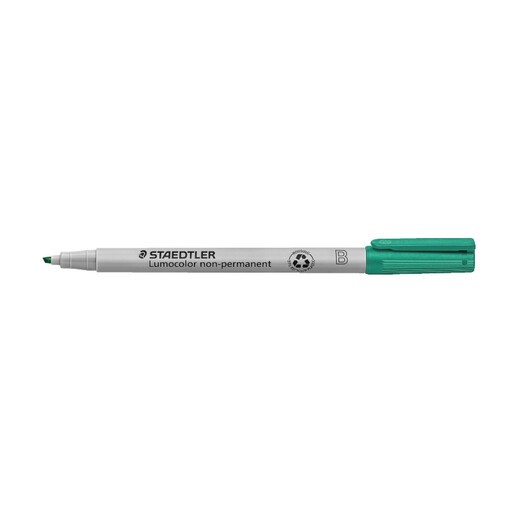
Why this marker is a great fit: Ideal for anyone working on erasable surfaces like laminated calendars, whiteboards, or transparencies. Perfect for brainstorming sessions, project planning, and teaching activities where notes need to be changed frequently.
This marker solves the problem of using the wrong ink. As an explicit non-permanent transparency marker, its water-soluble ink is designed to be removed without a trace using a damp cloth.
The ink dries quickly on the surface to prevent smudging, yet remains easily erasable. Plus, the marker is refillable.
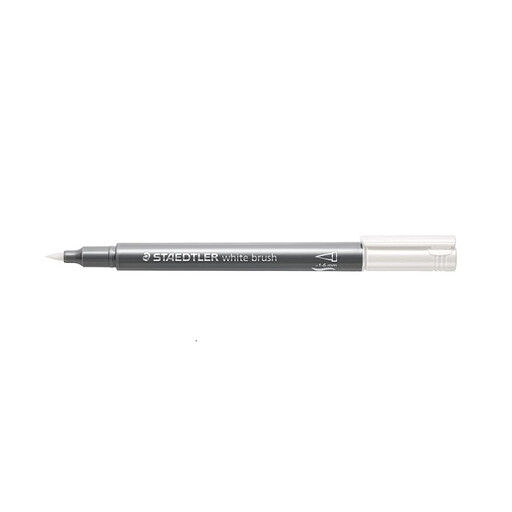
Why this marker is a great fit: Perfect for hand lettering, scrapbooking, and card making on dark paper or cardstock. The flexible brush tip allows for dynamic strokes, from fine accents to broad sweeps.
Unlike many paint markers, this one doesn't need to be shaken or pumped. The high-opacity ink flows instantly and evenly, so it won't interrupt your creative process.
The combination of a flexible brush tip and opaque white ink enables expressive calligraphy effects that wouldn't be possible with a standard marker.
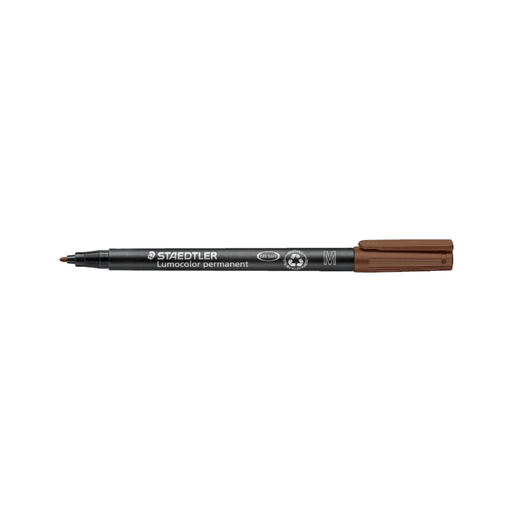
Why this marker is a great fit: Engineered for reliability in demanding environments. It permanently marks almost any surface—from metal parts in the workshop and plastic containers in the warehouse to glass in the lab.
The DRY SAFE technology prevents it from drying out, even if the cap is forgotten during a hectic workday. The ink also makes it a quick-drying marker, which minimises smudging on smooth surfaces.
Its universal applicability on almost any surface and the high durability of the ink make it a reliable tool. It is also designed as a refillable marker.
We have curated a complete, up-to-date list of products that meet these strict selection criteria.
1. How should I store permanent markers to maximise their lifespan? Most standard markers can be stored either vertically or horizontally. However, for specialty markers like metallic markers or those with a brush tip, horizontal storage is recommended. This ensures that the pigments in the ink remain evenly distributed and the tip neither dries out nor becomes oversaturated. The cap should always be secured tightly.
2. Can I remove permanent marker from plastic or glass? Although "permanent" implies durability, the ink can sometimes be removed from smooth, non-porous surfaces. Alcohol-based solvents (like isopropyl alcohol) can help. Gently rub the area with a soaked cloth. However, always test this on an inconspicuous spot first, as the solvent can also damage the plastic. For temporary labelling, a non-permanent transparency marker is the safer choice.
3. What does "DRY SAFE" technology mean for STAEDTLER markers? "DRY SAFE" is an ink technology developed by STAEDTLER. According to the manufacturer, based on the ISO 554 standard, a marker with this feature can be left uncapped for several days without the ink drying up. This significantly increases the marker's reliability and lifespan, especially in environments where it needs to be ready at a moment's notice.