
Lieferung heute & morgen

Qualitätsgarantie

Willkommens-Angebote freischalten: KOSTENLOSE Lieferung | Bis zu 80 % RABATT | Kostenlose 30-Tage-JoyPlus-Testphase
App herunterladen
The selection on the salt shelf can be overwhelming. From simple table salt to exotic-looking varieties in different colours and textures, making a decision is often difficult. Anyone simply looking to buy salt is confronted with marketing terms and price differences whose benefits are not always clear. This guide will help you separate fact from fiction and find the right salt for your needs.
Before you make a decision, you should be aware of two common pitfalls that can lead to unnecessary expenses:
To make an informed choice, you should focus on three objective criteria: the origin and extraction method, any additives, and the grain size of the salt.
The most fundamental distinction in salt lies in its origin. This influences its composition and, to some extent, its taste.
Pure salt consists almost exclusively of sodium chloride. However, many products available in stores contain specific additives for functional or flavouring purposes.
The size of the salt crystals (grain size) has a direct impact on its use in the kitchen.
Instead of making a one-size-fits-all recommendation, we have selected products for different user profiles.
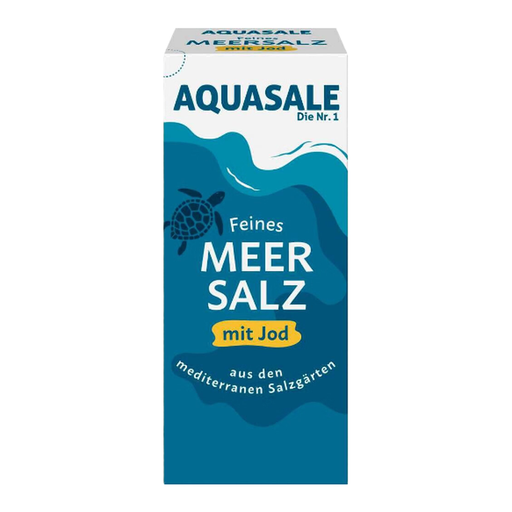
Why This Fits Their Persona: This fine sea salt is a reliable all-rounder for daily cooking. It's suitable for cooking, baking, and seasoning at the table. The added iodine is a practical contribution to daily nutrient intake.
It focuses on function over marketing. You get a pure seasoning with a useful additive (iodine) without the premium price for an exotic origin or color.
Fine grain for universal use; contains iodine; practical refill format.
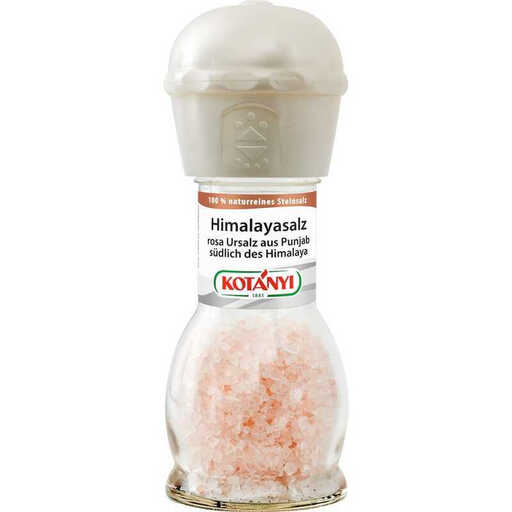
Why This Fits Their Persona: For those who value texture and the ritual of fresh grinding. The coarse Himalayan salt is ground as needed by the ceramic mill, ensuring a more intense flavor experience and an appealing look on the plate.
The added value here isn't in unproven health claims, but in the combination of the rock salt's specific texture and the functionality of the integrated grinder.
Integrated ceramic grinder for fresh seasoning; coarse rock salt for a pleasant texture; stylish design for the dining table.
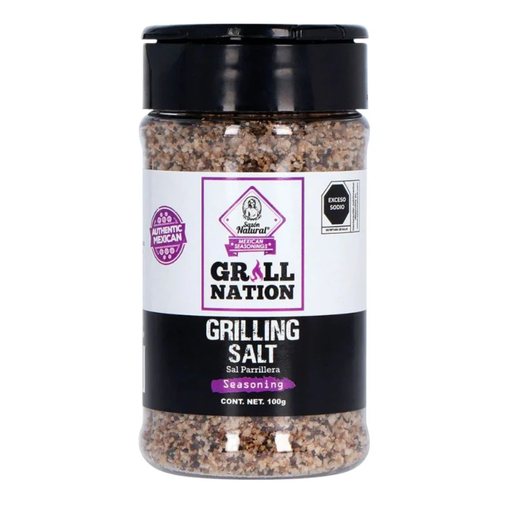
Why This Fits Their Persona: This seasoned salt is designed for a clear purpose: seasoning grilled foods. The blend of coarse salt, cracked pepper, and ground garlic provides a solid base for grilled meat, fish, and vegetables, saving you the effort of mixing them separately.
The benefit is clearly defined and practical. It's not just a simple salt but a time-saving seasoning blend. The price is justified by its convenience and balanced flavor profile.
Ready-to-use seasoning blend for grilled dishes; balanced combination of salt, pepper, and garlic; coarse texture is ideal for grilled food.
If you'd like to discover more types of salt that meet our selection criteria, feel free to browse our entire collection. There you'll find a wide selection to order your next salt online.
Himalayan salt contains trace minerals like iron oxide, which give it its characteristic pink color. However, the concentration of these minerals is typically so low that they do not make a significant contribution to daily nutrient needs. The main component, as with conventional table salt, is sodium chloride. Therefore, the choice for or against Himalayan salt is primarily a matter of personal taste and preferred texture.
Coarse salt is versatile. In a salt grinder, it provides freshly ground finishing salt directly on the plate. Due to its slower dissolving rate, it is ideal for the cooking water for pasta or potatoes. It is also excellent for creating salt crusts that keep meat or fish juicy during cooking, as well as for pickling and curing.
Salt is hygroscopic, meaning it attracts moisture from the air. To prevent clumping, you should always store it in a cool, dry place. An airtight container is the most effective method. For fine salt in a salt shaker, adding a few grains of rice can help absorb excess moisture.