
Lieferung heute & morgen

Qualitätsgarantie

Willkommens-Angebote freischalten: KOSTENLOSE Lieferung | Bis zu 80 % RABATT | Kostenlose 30-Tage-JoyPlus-Testphase
App herunterladen
A suitable pair of reading glasses should magnify small print in books, documents or on your smartphone, and be easy to use at the office or at home. Yet the selection process often leads to the wrong purchase: the strength doesn't match your reading distance, the frame sits unstably, or the glasses are used for situations they weren't designed for.
This buying guide from the Joybuy Product Recommendation Officer objectively sets out the most important criteria and shows which models suit different usage profiles.
A higher number doesn't automatically mean a better visual result. With reading glasses, your actual needs are what matters: too much magnification can restrict your field of vision and feel uncomfortable during longer reading sessions. Too low a strength will leave small print looking blurry.
For the models listed here, the designations roughly correspond to the following strengths:
The "D" designation should be checked against the magnification strength you want before buying. If you haven't used reading glasses before, you can compare different strengths at a typical reading distance. If you have persistent discomfort or significantly different vision in each eye, it's advisable to have an eye examination or optometric assessment.
A rimless reading glass looks understated and may suit users who prefer a low frame weight. However, the visible mountings and lenses need to be protected from pressure and scratches when stored.
A full-frame reading glass completely encloses the lenses. This can be practical for everyday storage and transport. A half-frame reading glass sits in the lower field of vision and makes it easier to switch between reading text and looking into the distance, for example at a screen or around the room.
Also important are an even fit on the nose, suitable temple lengths and sufficiently large lenses. A colour like silver, transparent tea brown or red is a style choice; it says nothing about the optical suitability.
The models mentioned are reading aids and not individually made prescription glasses. They are also not intended as protective eyewear, for driving or for operating heavy machinery. Extreme heat and prolonged direct sunlight should be avoided. For transport, a case or protective pouch is recommended, especially for rimless models.
For books, standard documents and many everyday texts, lower strengths such as 1.5 to 2.5 dioptres may be suitable. Very small print, labels or intricate documents are often viewed with higher strengths. However, a reading glass for books and screens should not be chosen solely on the basis of maximum magnification.
For computer use, the distance to the monitor is usually greater than when reading a book. Therefore, a very strong pair of glasses may be suitable for short smartphone distances, while feeling less appropriate at a screen.
The product details mention metal or plastic elements as well as magnifying lenses. Some half-frame and full-frame models include a protective case in the delivery. Before buying, you should check whether the model can be adequately protected for your intended use. Lenses can be cleaned with a microfibre cloth; rough fabrics can cause scratches.
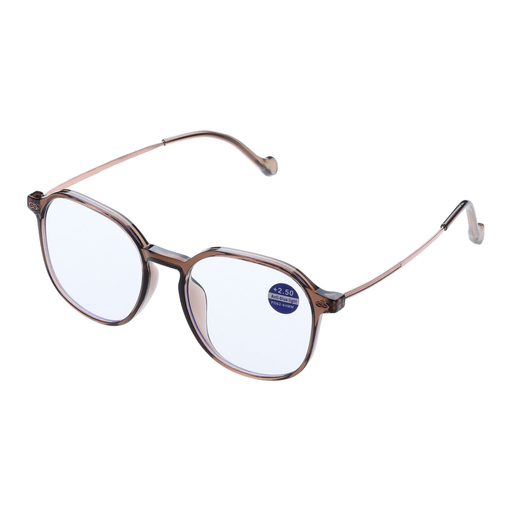
Why this product suits the profile: The 150D strength is suitable for users looking for low magnification for books, documents or everyday texts. The transparent tea brown colour and full frame make this a classic reading glass for women and men.
The clearly stated 150D strength makes it easy to match against your own needs and avoids choosing an unnecessarily high magnification.
Full-frame design; 150D magnification; neutral transparent tea brown.
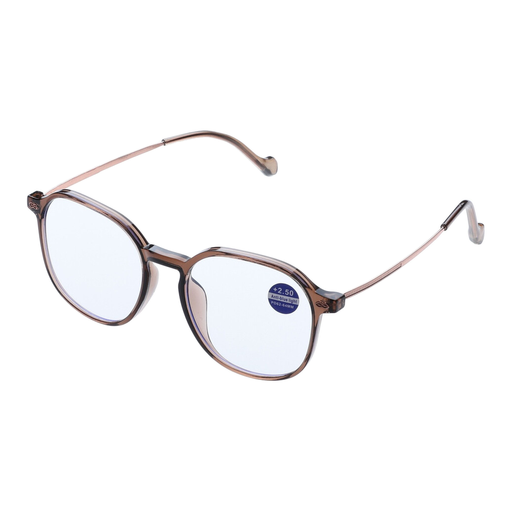
Why this product suits the profile: The full frame completely encloses the lenses and the 350D strength is aimed at users with a higher magnification need for small print.
The product name clearly states the frame type and strength. This allows you to match your selection with your intended reading distance before buying.
Full-frame design; 350D magnification; unisex-friendly classic colouring.
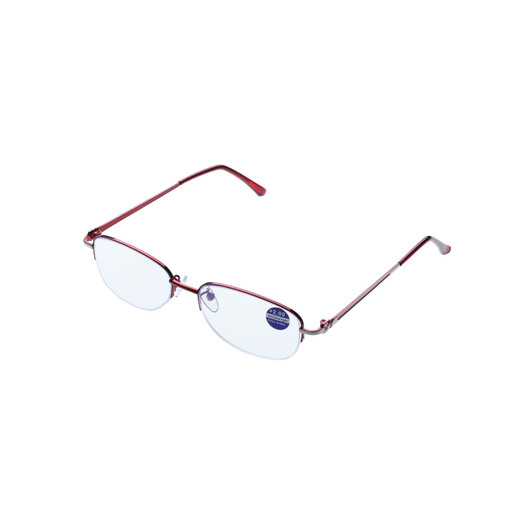
Why this product suits the profile: The half-frame design is intended for users who frequently switch between text, monitor and surroundings while reading. The 200D strength is in the mid-range for books, documents and digital content.
The half-frame design means you don't have to take the glasses off completely every time you look into the distance.
Half-frame construction; 200D magnification; protective case included according to the product description.
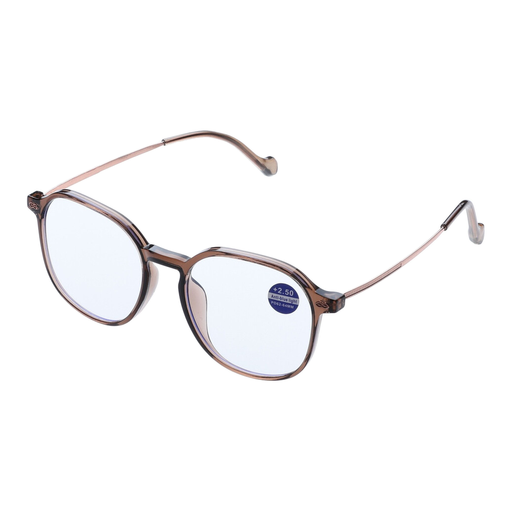
Why this product suits the profile: The 400D version is designed for very small print and fine details. The full frame offers a closed frame shape for use at home or in the workplace.
The high strength is clearly stated. It should only be chosen if your personal needs and short reading distance match it.
400D magnification; full frame; transparent tea brown colour.
We have put together a complete, regularly updated list of products that fully meet these strict selection criteria and the safety regulations in force in the EU.
That depends on the distance and the magnification you need. For books, a shorter distance is often used than for a computer screen. A strength between 1.5 and 4.0 dioptres should therefore not be chosen as a one-size-fits-all, but rather based on your individual viewing habits. A half-frame pair can be practical if you regularly switch between text and your surroundings during work.
The lifespan depends on the frame construction, daily wear and storage. A robust pair of reading glasses will stay functional for longer if they aren't left loose in a bag, are cleaned with a microfibre cloth and are protected from heat and direct sunlight. If the temples become loose, the lenses get scratched or the fit changes, the model should not be used further if it impairs your reading.
Reading glasses are intended for near vision and are not a substitute for individual prescription glasses. If you experience headaches, eye strain, double vision or persistent blurriness, you should stop using them and seek advice from an eye doctor or optometrist. They must not be used for driving or operating heavy machinery.