
Lieferung heute & morgen

Qualitätsgarantie

Willkommens-Angebote freischalten: KOSTENLOSE Lieferung | Bis zu 80 % RABATT | Kostenlose 30-Tage-JoyPlus-Testphase
App herunterladen
Magnifying reading glasses are designed to make books, bills, medication leaflets, or screen content easier to read again. However, choosing the right pair involves more than the stated diopter strength or an appealing design. Unclear strength specifications, unstable temples, and an unsuitable frame can make the glasses impractical for everyday use.
This buying guide explains which features matter before you buy and which designs suit different situations.
Reading glasses are often advertised with specifications such as 150D, 250D, or 400D. In many product listings, these labels correspond approximately to +1.5 to +4.0 diopters. However, always check the exact conversion in the product details.
A lens that is too strong can make reading uncomfortable and affect orientation. If you only need modest support for newspapers, smartphones, or menus, there is no reason to choose the highest available strength.
Frameless reading glasses have a discreet appearance and may feel lightweight thanks to their minimalist construction. At the same time, the lenses and temples receive less protection than they would from a full frame. If you frequently carry your glasses in a bag or regularly put them on and take them off, pay particular attention to the mounting system and safe storage.
Silver reading glasses or a transparent tea tint can complement many clothing styles. For everyday use, however, well-centred lenses, secure-fitting temples, and a comfortable weight matter most. Glasses that constantly slip will quickly become inconvenient, even if the magnification is suitable.
The required strength depends on how you plan to use the reading glasses:
These values do not constitute an individual prescription. Persistent headaches, eye discomfort, or a significant difference in vision between the two eyes should be assessed by an ophthalmologist or optometrist. Ready-made reading glasses are not a substitute for individually prescribed corrective lenses.
Full-frame reading glasses completely surround the lenses. This can help keep the lenses securely positioned and provide better protection during everyday use. They are therefore often a practical choice for the office or home, particularly when the glasses remain at a workstation.
A frameless design reduces visible material and creates a subtle, classic look. It can be comfortable for short reading sessions. With either design, buyers should review the product description, frame material, and storage recommendations carefully.
Reading glasses are designed for close-up reading. They must not be used as protective eyewear. They should also not be worn while driving or operating heavy machinery. Extreme heat and prolonged direct sunlight can affect the materials and lenses. A microfibre cloth and protective case help prevent scratches and unnecessary wear.
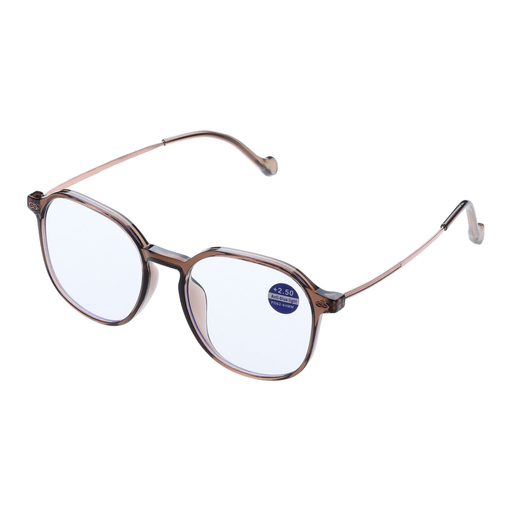
Why this product suits the profile: The 150D version provides moderate magnification for books, documents, and everyday reading tasks. The full frame is a practical choice for use at home or at a desk.
The moderate strength reduces the risk of choosing unnecessarily strong magnification without proper assessment. The full frame also provides a clearly defined structure.
150D lenses, full-frame construction, and a transparent tea tint; according to the product information, suitable for women and men.
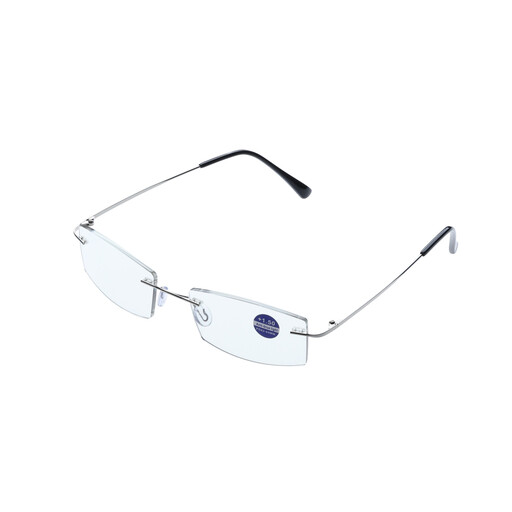
Why this product suits the profile: The frameless construction and silver finish appeal to users looking for understated, classic reading glasses for the office or home.
The product information explicitly highlights the streamlined, lightweight design. Storing the glasses in a case remains important because the frame offers less protection than a full frame.
150D magnification, a silver frameless design, and, according to the product description, a protective case included with the glasses.
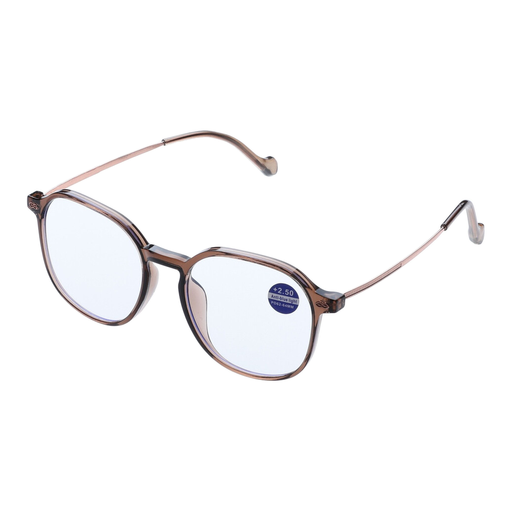
Why this product suits the profile: The 400D version is intended for people who want to read very small print or fine details at close range and prefer a fully framed lens.
The high strength is clearly stated and should only be selected if the short reading distance and desired magnification genuinely match the intended use.
400D lenses, a full-frame design, and, according to the product description, stable positioning for use in the office or at home.
We have compiled a complete, regularly updated list of products that fully meet these strict selection criteria and the safety regulations applicable in the EU.
Even durable reading glasses will last longer when handled correctly:
If you are unsure between several strengths, start by considering the intended reading distance and print size. For regular, extended screen use, an individually tailored vision solution may also be more suitable than simple ready-made reading glasses.
This depends on print size, reading distance, and individual visual needs. 150D, or approximately +1.5 diopters, indicates moderate magnification; 400D, or approximately +4.0 diopters, is considerably stronger. Check the specifications in the relevant listing before purchasing.
Frameless reading glasses can be suitable for the office, home, and short reading sessions. For frequent transport or a frame that offers maximum protection, full-frame reading glasses may be more practical. A protective case helps reduce the risk of scratches and damage.
There is no universal service life. It depends on the materials, frequency of use, cleaning, and storage. Loose temples, scratches, or a damaged frame are signs that the glasses should be replaced. New or persistent visual discomfort should be assessed by a qualified professional.