
Lieferung heute & morgen

Qualitätsgarantie

Willkommens-Angebote freischalten: KOSTENLOSE Lieferung | Bis zu 80 % RABATT | Kostenlose 30-Tage-JoyPlus-Testphase
App herunterladen
A robot vacuum that not only vacuums and mops but also empties and cleans itself promises to be a significant time-saver in your home. However, the market is flooded with marketing promises that don't always match reality. Many devices turn out to be more high-maintenance than expected or fail at everyday challenges like pet hair and carpet edges. This guide will help you identify the crucial features and make an informed choice.
Before you make a decision, it's important to understand the common marketing traps that often lead to disappointment.
To avoid a bad purchase, you should focus on verifiable technical specifications rather than marketing slogans.
The stated suction power in Pascals (Pa) is only half the story. What's crucial is how this power is transferred to the floor. Pay attention to the following aspects:
A cleaning station can do much more than just empty the dustbin. The degree of automation determines how much work the device actually saves you.
The robot's ability to move intelligently and efficiently through your home is fundamental.
Here are some models that represent a smart choice for specific user profiles based on their objective features.
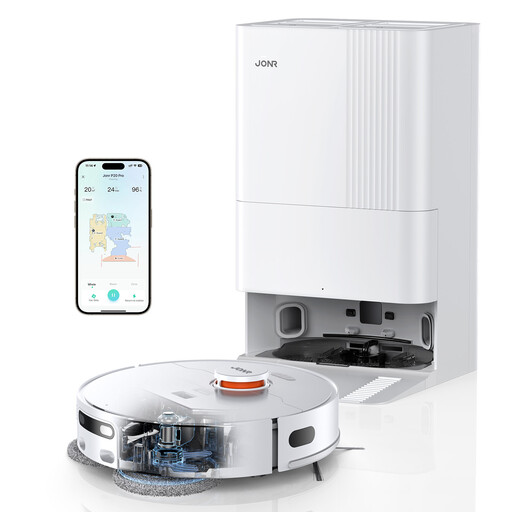
Why This Fits Their Persona: This model is ideal for users who want a fully automatic station with washing, drying, and dust-emptying capabilities without stretching their budget for a top-tier premium device. It offers a solid entry point into the world of true self-cleaning.
It sidesteps the "fake" self-cleaning trap because the station not only empties the dustbin but also washes and hot-air dries the mopping pads. This prevents odours and manual effort.
The combination of 8,150 Pa suction power, laser navigation, and an all-in-one station with hot air drying offers a comprehensive package that is exceptional in this price range.
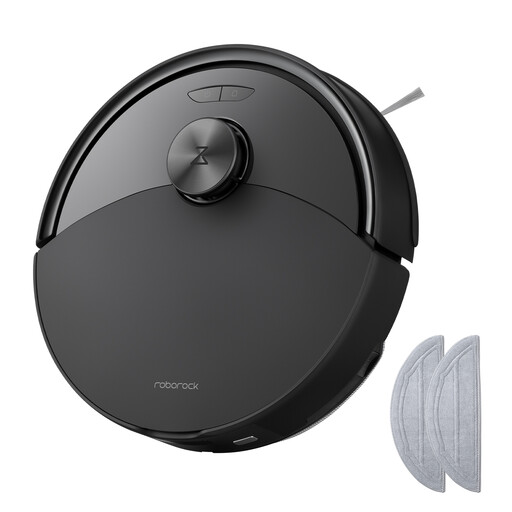
Why This Fits Their Persona: For pet owners and homes with mixed flooring, the combination of very high suction power and an effective anti-hair system is crucial. This model is designed to pull pet hair from deep within carpets without getting tangled.
It debunks the assumption that high suction power alone is sufficient. The Dual Anti-Tangle System actively addresses the problem of tangled hair, which causes performance loss in many high-Pa robots.
The combination of 10,000 Pa HyperForce suction and the special brush design ensures a thorough cleaning of pet hair. The automatic mop-lift reliably protects carpets from getting wet.
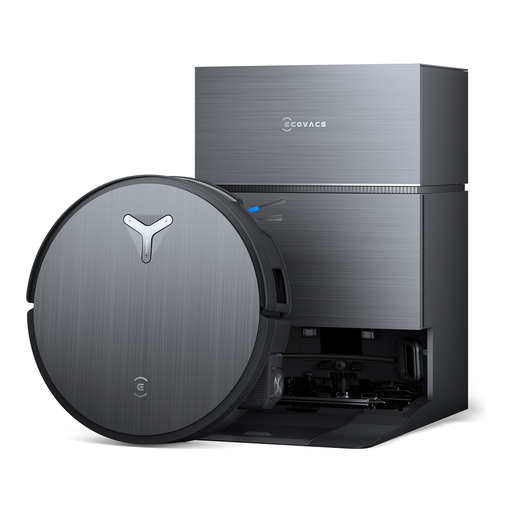
Why This Fits Their Persona: For users seeking the lowest possible maintenance and the most advanced cleaning technology. This model is designed for maximum convenience, from its hygienic mop cleaning to its ability to cross high thresholds.
This device redefines "self-cleaning." The OMNI station washes the mops with up to 75°C hot water, dries them, and empties the dustbin. This is true, low-maintenance autonomy for up to 90 days, according to the manufacturer.
The enormous suction power of 19,500 Pa, the ability to cross thresholds up to 4 cm high (TruePass Adaptive 4WD), and AI-powered stain detection (AI Stain Detection 2.0) set this model apart from the competition.
We have compiled a complete, up-to-date list of products that fully meet these strict selection criteria and all relevant safety standards.
This depends on the model and your usage. For stations that only empty dust, the bag needs to be changed every 30-60 days. With all-in-one stations, you also need to refill the fresh water tank and empty the dirty water tank every few days to a few weeks. The station itself should be cleaned every few months according to the manufacturer's instructions to prevent build-up.
Yes, modern devices are designed for this. They use ultrasonic carpet detection to automatically increase suction power and lift or retract the mop when they move onto a carpet. This prevents the carpet from getting wet while still being deep-cleaned. When buying, pay attention to the maximum mop lifting height, especially if you have medium-pile carpets.
No, not necessarily. A high Pa rating is an indicator of a powerful motor, but the actual cleaning performance depends on an interplay of several factors: the design of the main brush (material, shape), the effectiveness of the side brushes, the seal of the air duct, and the intelligence of the navigation. A robot with 8,000 Pa and an excellent anti-tangle brush system can be more effective on carpets than a model with 10,000 Pa and a simple bristle brush that clogs quickly.