
Lieferung heute & morgen

Qualitätsgarantie

Willkommens-Angebote freischalten: KOSTENLOSE Lieferung | Bis zu 80 % RABATT | Kostenlose 30-Tage-JoyPlus-Testphase
App herunterladen
A smart LED ceiling light promises comfort, ambiance, and efficiency. However, the market is flooded with products whose marketing promises often fall short in practice. Incorrect compatibility claims or poor build quality can quickly lead to disappointment and unnecessary expenses. This guide will show you what to look for to make an informed decision and find the perfect lighting for your home.
Many buyers focus on design or price, overlooking critical technical flaws that severely limit everyday usability.
To avoid these problems, you should check three core aspects before buying. These define the quality and longevity of a ceiling lamp for your smart home.
The connection type is crucial for smooth operation. Check if the light connects directly to your network via Wi-Fi or Bluetooth, or if an additional hub (bridge) is required, as is often the case with Zigbee devices. Look for explicit statements of compatibility with the platforms you use, such as Amazon Alexa, Google Home, or Apple HomeKit. An LED ceiling light with app control should offer an intuitive and stable application that is regularly updated.
Good lighting is more than just brightness. Three values are of central importance here:
A high-quality modern living room ceiling light or bedroom lamp should not only be visually appealing but also functionally well-designed. A fully sealed housing that protects against dust and insects is a clear sign of quality. Additionally, well-designed quick-mount systems significantly simplify installation and ensure a secure fit on the ceiling.
Based on the criteria above, we have identified several products that represent a considered choice for different user profiles and use cases.
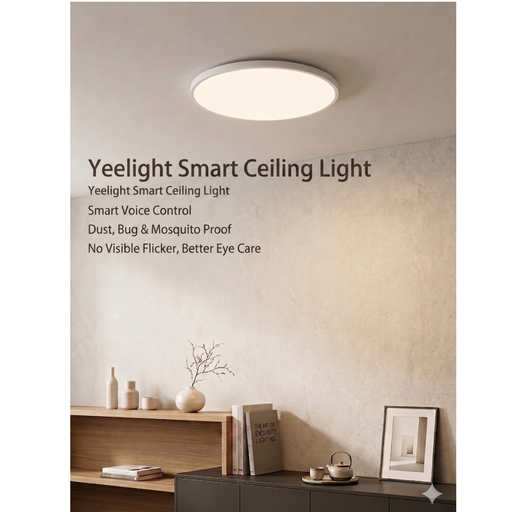
Why This Fits Their Persona: Ideal for users seeking a dedicated, modern ceiling light for living rooms or bedrooms that integrates seamlessly with existing smart home systems and offers high light quality.
Its broad compatibility with Alexa, Google Home, and SmartThings bypasses the isolation trap. The sealed design prevents dust and insect ingress, and the RG0 certification addresses the issue of poor light quality.
Fully sealed, dust-proof, and insect-proof construction. Moonlight mode with extremely low brightness for nighttime. Quick and easy installation.
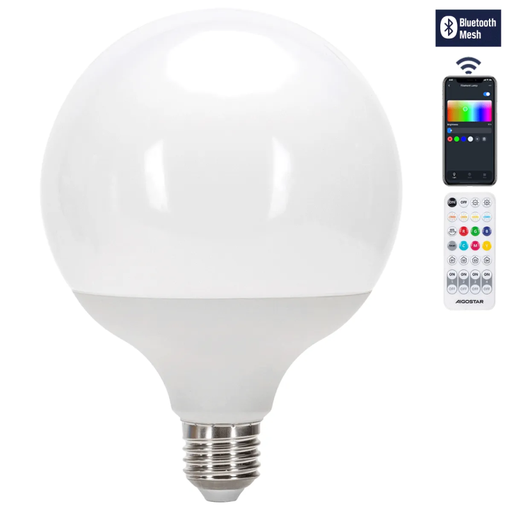
Why This Fits Their Persona: A cost-effective solution for anyone wanting to upgrade an existing fixture with an E27 socket without replacing the entire unit. Perfect for getting started with smart lighting.
Bypasses the complicated installation pitfall, as only the bulb needs to be replaced. The direct Bluetooth Mesh connection to Alexa Echo devices (2nd Gen and newer) avoids the need for a separate hub.
Easily retrofits existing lamps. Dual-color gradient effects for special moods. Control without a gateway is possible directly via compatible Echo devices.
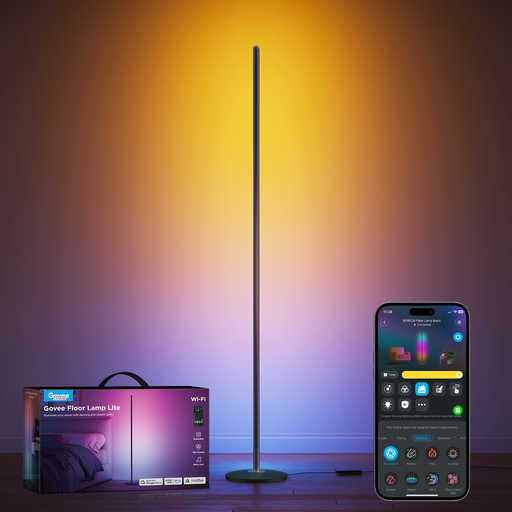
Why This Fits Their Persona: Perfect for users who don't want to install a central ceiling light but are looking for flexible, mobile, and atmospheric accent lighting for living rooms, gaming corners, or entertainment areas.
Completely bypasses the installation trap as no fixed mounting is required. Proven compatibility with Alexa and Google Assistant, along with the mature Govee Home app, prevents control issues.
RGBIC technology allows multiple colors to be displayed simultaneously on the light strip. Music sync mode for dynamic lighting effects. High flexibility due to free placement in the room.
We have compiled a complete, up-to-date list of products that fully meet these strict selection criteria and comply with German safety standards.
No, not necessarily. Many modern smart lights connect directly to your smartphone or smart home assistant via Wi-Fi or Bluetooth. Models based on standards like Zigbee often require a central control unit (bridge/hub). The advantage of hub-based systems is often greater stability and speed, as they create their own network and reduce the load on your Wi-Fi.
The lifespan of LEDs is specified in operating hours and typically ranges from 20,000 to 50,000 hours for high-quality models. With an average use of three hours per day, this corresponds to a lifespan of over 18 years. Unlike traditional incandescent bulbs, LEDs do not suddenly fail at the end of their life but gradually lose their brightness.
Color temperature significantly influences the atmosphere of a room. In practice, this means: