
Lieferung heute & morgen

Qualitätsgarantie

Willkommens-Angebote freischalten: KOSTENLOSE Lieferung | Bis zu 80 % RABATT | Kostenlose 30-Tage-JoyPlus-Testphase
App herunterladen
Solar lights for the garden promise a simple, cost-effective, and eco-friendly solution for outdoor lighting. But the reality is often quite different: lights that fail after just a few weeks, offer disappointing brightness, or can't withstand the local weather. As a Joybuy Product Recommendation Officer, I'm here to help you separate the wheat from the chaff and find the right products for your needs. This guide will show you what to look for to avoid falling into the typical traps.
The market for off-grid garden lighting is vast, but not every product lives up to its promises. Many buyers share similar negative experiences. Here are the most common problems:
To avoid a bad purchase, you should be guided by technical data, not marketing promises. Three parameters are crucial:
The IP (Ingress Protection) rating is an international standard that indicates how well a device is protected against the ingress of foreign objects (first digit) and water (second digit).
The combination of the battery and solar panel is the heart of every solar light.
These two values determine how bright your light is and what colour it emits.
Instead of making a blanket recommendation, we have selected products for specific user profiles based on objective features.
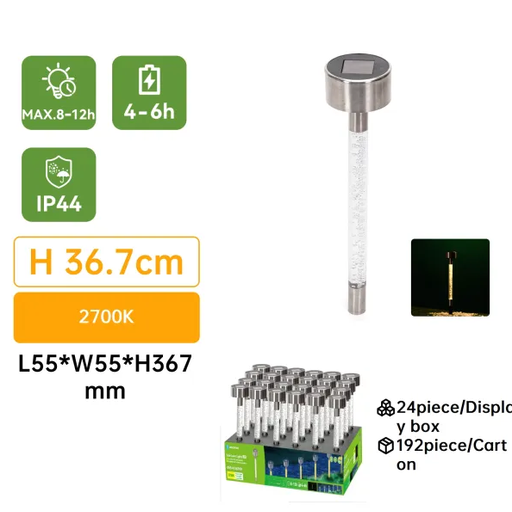
Why it's a great fit: Ideal for anyone looking to add decorative accents to a flowerbed or balcony on a small budget. Installation is incredibly simple: just stake it into the ground. The warm white light (2700K) creates a pleasant atmosphere.
The product description clearly states the IP44 protection rating. This tells you the light is intended for sheltered areas, not for unprotected use in persistent rain. This sets realistic expectations for its weather resistance.
The light colour is precisely specified at 2700K, which guarantees a cosy warm white and prevents disappointment from unexpectedly cold light. The decorative bubble effect is an added bonus.
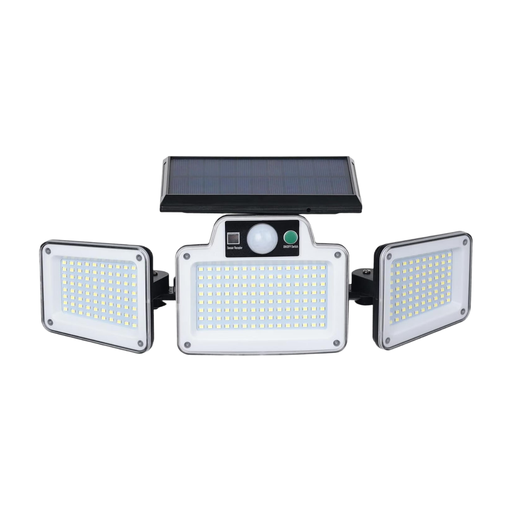
Why it's a great fit: Perfect for illuminating driveways, garages, or dark corners of your property. The three adjustable heads allow for wide and targeted lighting. The motion sensor enhances security while saving energy.
With an IP65 rating, this floodlight is explicitly protected against water jets, making it suitable for unprotected outdoor use. The solid 2400mAh battery capacity promises reliable performance, even when the sun doesn't shine all day.
The solar panel is separated from the light by a 4.7-meter cable. This allows you to mount the panel in the sunniest spot (e.g., on the roof) while placing the light itself in the shade (e.g., under a carport). This maximises energy collection.
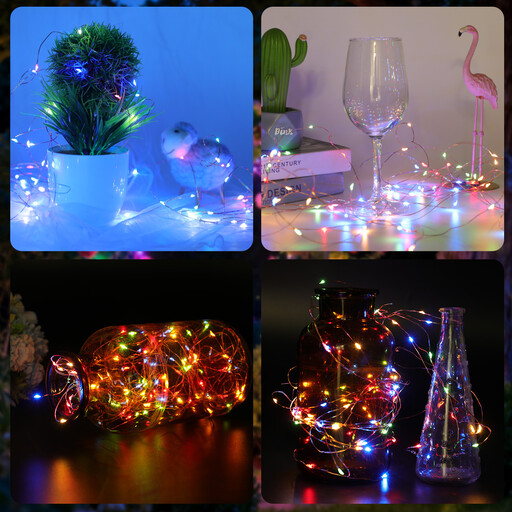
Why it's a great fit: Ideal for decorating balcony railings, shrubs, or for garden parties. The flexible copper wire is easy to shape and install. With 8 different lighting modes, the atmosphere can be customised to your liking.
The IP65 certification ensures that the solar string light will function even in heavy rain. The specified runtime of 8-14 hours is framed as a realistic range (weather-dependent) rather than a fixed promise.
The built-in memory function remembers the last selected lighting mode. You don't have to reset the string light every evening, which significantly increases user convenience. The package also includes two separate string lights.
We have compiled a complete, real-time updated list of products that fully meet these strict selection criteria and safety regulations.
In winter, the runtime of solar lights is significantly reduced. Shorter days and a lower sun angle mean less energy is charged. Additionally, cold temperatures decrease battery performance. Expect the runtime to drop to half or less of the summer performance. Models with high-efficiency (monocrystalline) solar panels and large battery capacity have a clear advantage here.
Yes, the rechargeable batteries in solar lights have a limited lifespan, typically between 1 and 3 years. In many higher-quality models, the standard batteries (often AA or AAA NiMH type) can be easily replaced. This is a sustainable and cost-effective way to extend the life of your garden lighting.
The ideal location is a spot that receives several hours of direct, unshaded sunlight per day. Avoid placing them under trees, eaves, or near other light sources like streetlights. An external light source can trick the dusk-to-dawn sensor, preventing the light from turning on automatically.