
Lieferung heute & morgen

Qualitätsgarantie

Willkommens-Angebote freischalten: KOSTENLOSE Lieferung | Bis zu 80 % RABATT | Kostenlose 30-Tage-JoyPlus-Testphase
App herunterladen
The world of sparkling wine is vast, and deciding which bottle to buy can quickly become overwhelming. Whether for a birthday party, a wedding reception, or simply as an aperitif, making the right choice is crucial. However, unclear labels or marketing promises often lead to a purchase that doesn't meet expectations. This guide will help you navigate the most common pitfalls and make an informed decision.
The two most common mistakes when buying sparkling wine are:
To ensure you find the right sparkling wine for your occasion and taste, you should consider three core parameters. These will help you correctly interpret product information and make a choice that matches your expectations.
The decisive factor for the taste of a sparkling wine is its residual sugar content. The terms on the label are regulated across the EU and provide precise information about how sweet or dry the product is.
The designation provides information about the origin and often the production method, which directly affects quality and price. If you specifically want to buy Prosecco or buy Champagne, these differences are essential.
Not every occasion calls for a high-priced vintage Champagne. For a large reception or as a base for cocktails, a solid Sekt or Prosecco Spumante is often the more practical choice. Furthermore, the demand for high-quality non-alcoholic alternatives is growing. A non-alcoholic sparkling wine allows all guests to join in the toast without missing out. Modern production methods ensure that the character of the wine is largely preserved.
Here are some recommendations tailored to different needs and occasions.
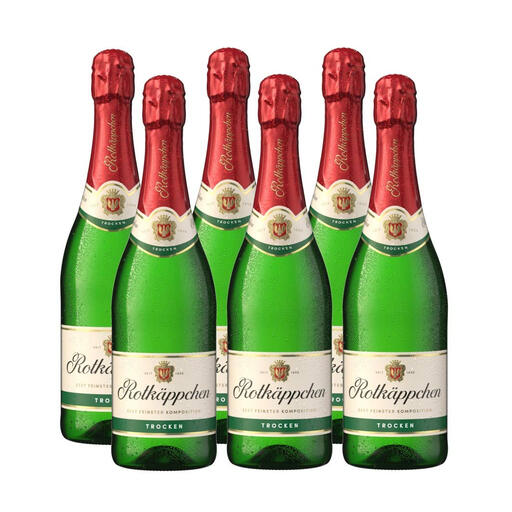
Why this product is a great fit: Ideal for larger celebrations where a reliable and well-known sparkling wine is needed. The "Trocken" (Dry) style appeals to many guests as it has a pleasant fruity sweetness without being too tart. Perfect for easily serving a large number of guests without any fuss.
Avoids the confusion around "dry": This product delivers exactly the expected, slightly sweet note that is popular in Germany for this category of Sekt. No risk of an unexpectedly harsh surprise.
A balanced cuvée of select wines ensures a consistently fresh and elegant taste. A classic that is a safe choice for many occasions.
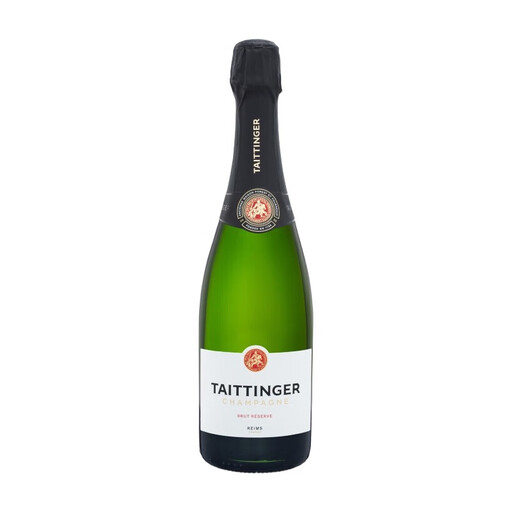
Why this product is a great fit: For those truly special moments. As a genuine Champagne from a renowned house, it offers the complexity and elegance expected from a premium product. The high proportion of Chardonnay ensures finesse and a fine mousseux.
Fulfills the expectation of a true Champagne, avoiding the disappointment that can arise from buying a simpler sparkling wine for a special occasion. Here, origin, production, and quality are all in alignment.
Traditional bottle fermentation and 3-4 years of ageing on the lees lead to complex aromas of brioche, peach, and vanilla. A harmonious and elegant Champagne.
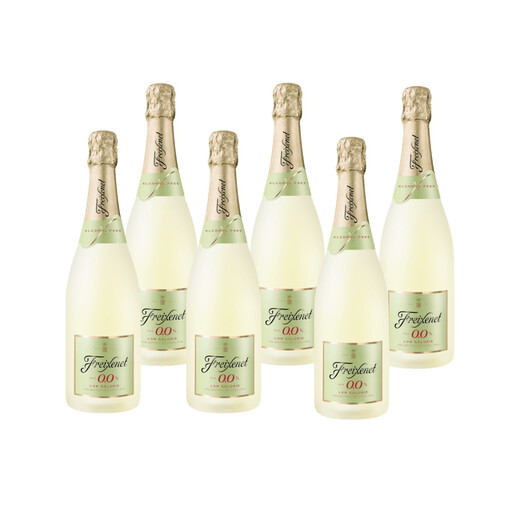
Why this product is a great fit: This non-alcoholic version allows everyone to join the toast. Ideal for hosts who want to cater to the needs of all guests, whether they are designated drivers, pregnant, or consciously avoiding alcohol.
Offers a high-quality, flavourful alternative to juice or water, ensuring no one is left out during a festive occasion. A thoughtful choice for inclusive hospitality.
A gentle de-alcoholisation process preserves the fruity character and aroma of the Muscat grapes. The result is a harmonious and refreshing beverage.
If you'd like to discover more sparkling wines that meet our selection criteria, you can browse our entire range. Find the perfect sparkling wine for any occasion, conveniently from home.
The main difference lies in their origin and specific production regulations. Sekt is the term for quality sparkling wine from Germany. Crémant is a French sparkling wine produced outside of Champagne, but using the same elaborate method of traditional bottle fermentation. Crémants, for example from Alsace or the Loire Valley, are often considered high-quality alternatives to Champagne.
An unopened bottle of Sekt or Champagne should be stored upright in a cool, dark place with a constant temperature (ideally 10–15 °C). Unlike still wine with a natural cork, upright storage is preferable because the high carbon dioxide pressure inside the bottle keeps the cork sufficiently moist and prevents it from drying out. Direct sunlight and significant temperature fluctuations should be avoided.
The ideal serving temperature for most sparkling wines is between 6 and 8 °C. A sparkling wine that is too cold will lose its aroma, while one that is too warm will lose its freshness and effervescence, and the taste of alcohol will become more prominent. It is recommended to place the bottle in the refrigerator for a few hours, but not in the freezer.