
Lieferung heute & morgen

Qualitätsgarantie

Willkommens-Angebote freischalten: KOSTENLOSE Lieferung | Bis zu 80 % RABATT | Kostenlose 30-Tage-JoyPlus-Testphase
App herunterladen
If you’re looking to buy sparkling wine and Prosecco in a six-pack, you’ll find a much wider choice than just classic white bottles. Alongside German sparkling wine and Italian Prosecco, there’s Cava, rosé sparkling wine, fruit fizz and lightly sparkling wine. A multipack can be handy for parties, weddings, birthdays or keeping a few bottles in for aperitifs. However, products vary in sweetness, alcohol content, origin, bottle size and flavour profile.
The product name alone isn’t enough to make your choice. What matters is whether the contents suit the occasion, the food you’re serving and your guests’ expectations.
Sparkling wines have defined sweetness levels. Brut, for example, describes a dry style containing no more than 12 grams of sugar per litre. Despite its name, Extra Dry contains a little more sugar: over 12 and up to 17 grams per litre. Medium-dry or mild styles can taste noticeably softer and sweeter.
If you’re expecting a dry sparkling wine but choose a mild or fruity style, the taste may come as a surprise. Check the exact description and nutritional information to get a clearer idea.
Italian Prosecco, German sparkling wine and Spanish Cava are not the same thing. Prosecco is typically made from Glera grapes and comes from designated regions in Italy. Cava is a Spanish sparkling wine, often made using the traditional bottle-fermentation method. German sparkling wine can be made from different base wines and grape varieties.
Vino Frizzante and lightly sparkling wine also belong to a different category from classic Spumante. So if you’re looking to buy sparkling wine online, check the category, country of origin and production details.
A case of sparkling wine 6 x 0.75 l contains 4.5 litres in total. At a serving size of around 100 ml per glass, that works out at roughly 45 glasses. This could be just right for a larger event, but a lot to store in a smaller household.
Smaller formats are also available, such as 12 bottles of 0.2 l each. These are handy for individual servings, but use more packaging per litre. Before buying, consider your guest numbers, storage space and how much you expect to serve.
Brut or dry styles are often a good choice for a classic reception or an aperitif with savoury snacks. Medium-dry sparkling wine can be an easier choice if you’re catering for a range of tastes. Passion fruit fizz or rosé lightly sparkling wine could be a good fit for garden parties, birthdays and informal get-togethers.
For desserts, fruit-based dishes or cocktails, a product with more noticeable fruitiness may pair better. Don’t assume that “Extra Dry” means especially dry.
Most 0.75-litre bottles on offer contain around 10.5 to 11.5 % vol. Some sparkling wines may have a higher alcohol content. When planning, take the alcohol content into account as well as the volume. Products containing sulphites must be labelled accordingly; anyone with a known sensitivity should check the ingredients and allergen information.
Unopened bottles are best stored somewhere cool, dry and away from light. Once opened, reseal the bottle, keep it chilled and drink it soon, as it will gradually lose its fizz and freshness. The recommended serving temperature is usually between 6 and 10 °C, depending on the product.
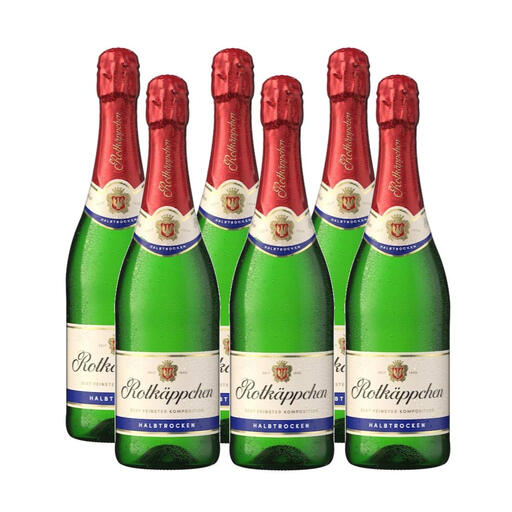
Why this product suits this type of buyer: The six-pack of 0.75-litre bottles offers a practical quantity for private celebrations and regular occasions. The Medium Dry sweetness level is clearly stated.
The Medium Dry description makes it clear that the wine shouldn’t be mistaken for Brut or a completely dry style.
Six 0.75-litre bottles, a German producer and 11 % vol. according to the product details.
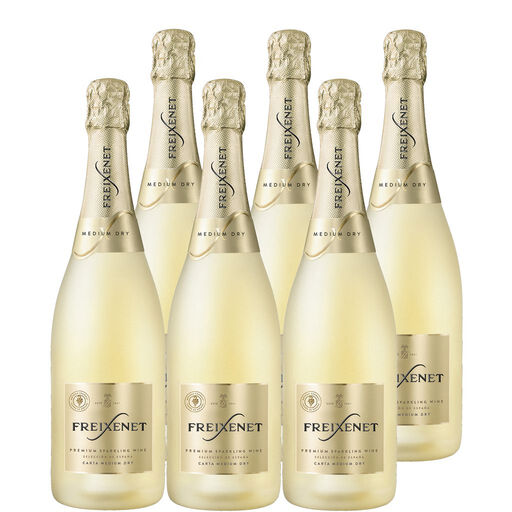
Why this product suits this type of buyer: This Spanish Cava combines its Catalan origins with product details that mention traditional bottle fermentation and a blend of Macabeo and Chardonnay.
The Cava category and Medium Dry style are clearly stated, so it won’t be mistaken for Italian Prosecco.
6 x 0.75 l, 11.5 % vol. and details confirming it’s suitable for vegetarians and vegans.
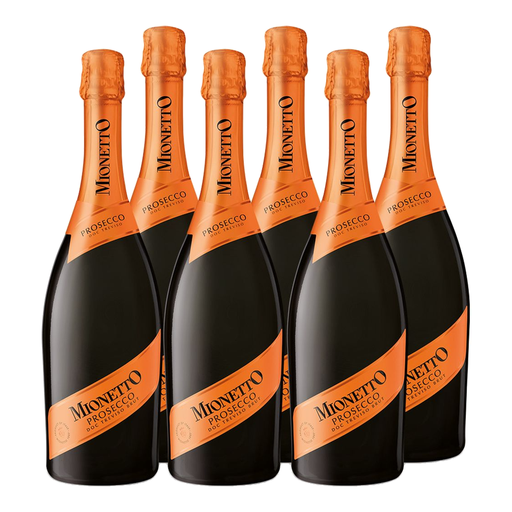
Why this product suits this type of buyer: With six 0.75-litre bottles, this Italian Prosecco is a good choice for receptions, aperitifs and several events.
The product details state DOC, Brut, Glera grapes and Italian origin. This gives you a clearer picture than a general description such as “Italian sparkling wine”.
11 % vol., a serving temperature of 6–8 °C, and recommended as an aperitif or with light meals.
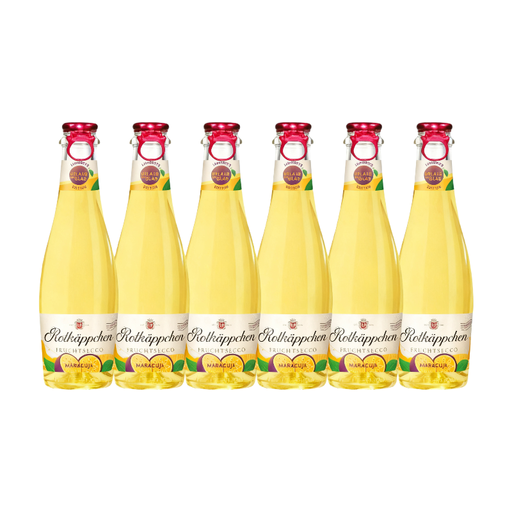
Why this product suits this type of buyer: This wine-based drink with passion fruit and 8 % vol. is aimed at shoppers who prefer fruity flavours to classic dry sparkling wine.
The Fruchtsecco description and the ingredient detail showing 1 % passion fruit juice make it clear that this isn’t pure sparkling wine.
6 bottles of 0.75 l each, 8 % vol. and a recommended serving temperature of around 8 °C.
We’ve put together a comprehensive, regularly updated list of products that meet these strict selection criteria and fully comply with the safety regulations in force in the EU.
A pack of six 0.75-litre bottles contains 4.5 litres. At 100 ml per glass, that works out at around 45 glasses. The actual number may vary depending on the fizz, top-ups and glass sizes.
Prosecco comes from designated growing areas in Italy and is usually made from Glera grapes. German sparkling wine can be made from different base wines and cuvées. Products also vary in sweetness, production method and alcohol content.
Sparkling wine gradually loses its fizz once opened. Use a suitable stopper, keep the bottle chilled and try to drink it within one to three days. If you’ve bought a sparkling wine gift set or a larger amount to keep in, it’s best to open only as many bottles as you need.