
Lieferung heute & morgen

Qualitätsgarantie

Willkommens-Angebote freischalten: KOSTENLOSE Lieferung | Bis zu 80 % RABATT | Kostenlose 30-Tage-JoyPlus-Testphase
App herunterladen
A sprayer can save you a lot of time when washing your car, painting, cleaning or watering plants. However, sprayers vary considerably in pressure, spray pattern, tank capacity and power source. A garden sprayer isn’t necessarily suitable for cleaning products, and a paint sprayer won’t replace a pressure washer.
If you focus only on power ratings or a large tank, you can easily miss important details. The points below will help you avoid a poor purchase and choose a sprayer that’s right for the job.
The term pressure washer or “High Pressure” sounds impressive, but on its own it says little about actual cleaning performance. Factors such as the water source, hose, nozzle and battery condition all matter. A cordless sprayer that draws water from a bucket is flexible, but it may work differently from a mains-powered pressure washer connected to a fixed water supply.
For delicate surfaces such as car paint, plants or painted furniture, you should be able to adjust the spray. A narrow, forceful jet used from too close can damage surfaces.
A large-capacity tank means fewer refills, but it also adds weight. For a cleaning sprayer used on windows or kitchen surfaces, a few hundred millilitres is often enough. For washing your car or longer gardening jobs, a 1 to 1.5-litre tank may be more practical.
It’s also important to check that the materials are compatible with the liquid you plan to use. Not every pressure sprayer is suitable for solvents, harsh cleaners, oils or concentrated fertilisers. Check the manufacturer’s guidance on liquids, temperature and viscosity before filling the tank.
Paint residue, limescale and cleaning products can clog nozzles and tubes. A sprayer with a removable tank, cleaning needle or easily accessible seals is simpler to maintain. After each use, flush the system with a suitable cleaning product or clean water.
An adjustable spray pattern lets you switch between a fine mist, a wide fan and a concentrated jet. A gentle mist is ideal for plants, while washing your car may call for a directed water jet or foam application. On a paint sprayer, nozzle diameter and spray pattern affect coverage and how evenly the paint is applied.
Tilswall paint sprayers, for example, are listed with several nozzles and spray patterns. The 800 W model comes with 1.0, 1.8 and 2.6 mm nozzles, as well as horizontal, vertical and circular spray patterns. For varnishes and wall paint, you’ll also need to take the maximum permitted viscosity into account.
A corded electric sprayer is well suited to longer renovation jobs, but you’ll need a power socket nearby. A cordless sprayer gives you more freedom to move around, but its run time depends on battery capacity, pressure setting and how often you use it.
For corded paint sprayers, cable and air hose length are important. A 2.5-metre hose can make the spray gun easier to handle and extend your reach. If you’re considering a cordless model, check whether the battery and charger are included and whether replacement batteries are available.
Transparent tanks make it easier to check the liquid level. A screw-top with a seal helps reduce the risk of leaks, but it still needs to be closed properly. Liquids hotter than the stated maximum, as well as highly flammable or corrosive substances, should only be used if the manufacturer specifically says they’re suitable.
When painting, wear safety goggles, suitable respiratory protection and gloves, and make sure the area is well ventilated. Before spraying a large area, test the sprayer on cardboard or an inconspicuous spot.
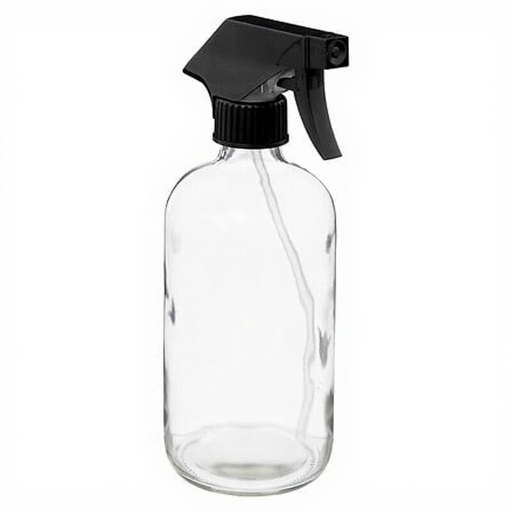
Why this product suits this type of user: This manual spray bottle is ideal for smaller household, plant-care and cleaning jobs, with no battery or power socket needed.
The transparent 450 ml bottle lets you see the liquid level. Adjust the nozzle to switch between a fine mist and a concentrated jet.
PET and PP construction, rectangular shape, screw cap with seal and adjustable spray pattern.
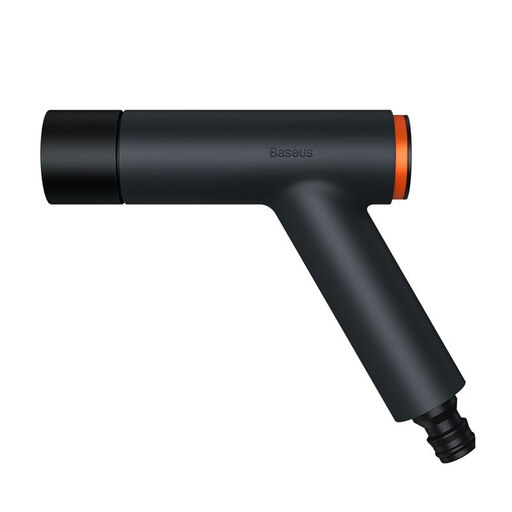
Why this product suits this type of user: Car owners get a hose attachment with a 15-metre telescopic tube and universal joint, making it useful for vehicles, wheel arches and outdoor surfaces.
The 15-metre reach is clearly stated. The joint lets you change the spray direction without having to reposition the hose each time.
Connects to standard garden hoses, with a universal joint, non-slip handle and directed water jet.
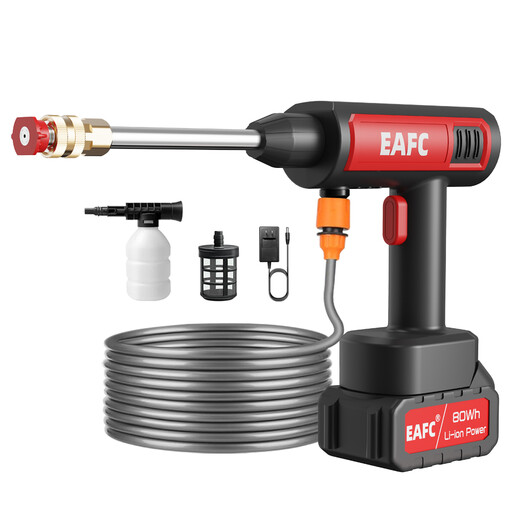
Why this product suits this type of user: This cordless sprayer could suit anyone who wants to clean a car, balcony, floor or garden without a fixed water connection.
The product details list a bucket and self-priming as possible water sources. If it doesn’t start, the instructions cover bleeding the system, checking the hose and charging the battery.
Cordless operation, adjustable nozzle, foam sprayer attachment and suitable for vehicles, household use and watering.
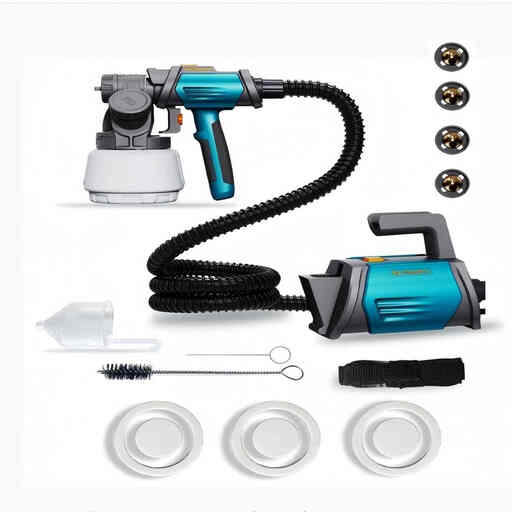
Why this product suits this type of user: This electric paint sprayer comes with several nozzles and spray patterns, so you can adapt it to the material when painting furniture, fences, walls and ceilings.
The maximum viscosity of up to 120 DIN-S, four brass nozzles and three spray patterns are all clearly specified. This makes it easier to match the settings to the paint and surface.
800 W HVLP system, 1,300 ml tank, 2.5-metre hose and 3-metre mains cable.
We’ve put together a comprehensive, regularly updated list of products that fully meet these strict selection criteria and the safety regulations in force in the EU.
Depending on the model, a sprayer distributes liquids as a mist, foam or jet. A pressure washer is designed to clean using a pressurised water jet. For paintwork, plants or delicate materials, an adjustable spray function is often easier to control.
Run time depends on battery capacity, pressure setting, the amount of liquid and the nozzle opening. Interchangeable batteries or a spare battery are useful for longer jobs. After use, charge the battery according to the manufacturer’s instructions and store it in a dry place.
A paint sprayer with a suitable viscosity rating, several nozzles and an adjustable spray pattern is a good choice. You may need to thin the paint. Test it on an inconspicuous area before you start, as the material, nozzle and distance all affect the finish.