
Lieferung heute & morgen

Qualitätsgarantie

Willkommens-Angebote freischalten: KOSTENLOSE Lieferung | Bis zu 80 % RABATT | Kostenlose 30-Tage-JoyPlus-Testphase
App herunterladen
A stainless steel kettle is an indispensable appliance in many kitchens. It promises durability, a pure taste experience, and a modern aesthetic. However, when buying a kettle, several pitfalls can quickly turn a supposedly high-quality product into a source of frustration. Certain marketing promises often conceal design flaws or inferior materials.
This guide will help you identify the key features and avoid common mistakes. We'll show you what truly matters when it comes to material, safety, and functionality, so you can make an informed decision.
Before you decide on a model, you should be aware of the following points that often lead to dissatisfaction:
To avoid a bad purchase, you should focus on a few essential technical parameters. These determine the safety, durability, and daily convenience of the appliance.
The heart of a good kettle is the material that comes into contact with the water. Look for the designation food-grade stainless steel. Common and proven alloys include:
Verify that all parts that touch the water—the inner container, the inside of the lid, and the spout—are made from this material. Declaring a kettle as BPA-free is only meaningful if no plastic parts touch the water.
A modern electric kettle must have basic safety mechanisms. These are not optional extras but a necessity for safe operation in the home:
The right size depends on your household. A 1.7-litre kettle is ideal for families or if you regularly need larger quantities of water. For single-person households or couples, models with 1.0 to 1.25 litres are often sufficient.
Additional features can significantly enhance convenience. A kettle with a keep-warm function maintains the water at a preset temperature after boiling, which is practical if you don't want to pour a second cup immediately.
Instead of making a one-size-fits-all recommendation, we have selected models tailored to specific needs and user profiles.
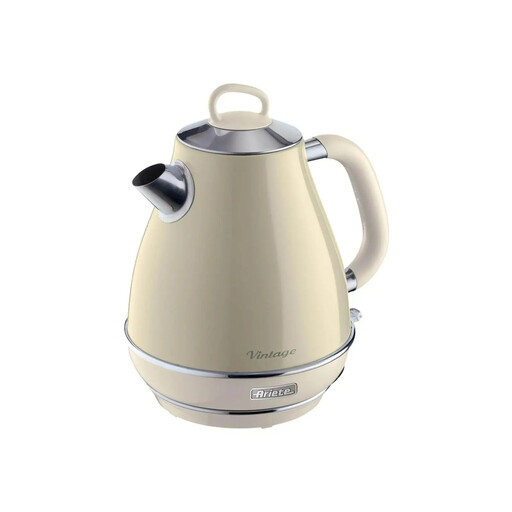
Why it's a great fit: For those who see a kitchen appliance not just as a tool, but as a design statement. The **retro kettle** from Ariete combines 1950s aesthetics with modern functionality, making it an eye-catching centrepiece in any kitchen.
The body is made of painted stainless steel, providing a solid material base. The external water level indicator minimises plastic contact on the inside. The integrated automatic shut-off ensures the necessary operational safety.
The striking vintage design, combined with a generous capacity of 1.7 litres, makes it both stylish and practical for daily use.
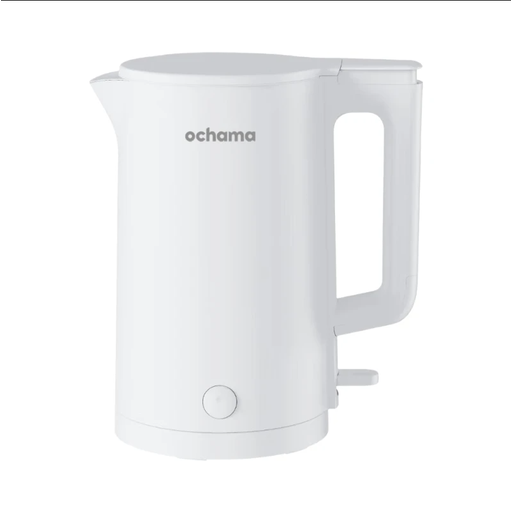
Why it's a great fit: For families or heavy users where capacity, safety, and practical features are the priority. The keep-warm function is perfect for hectic mornings.
According to the manufacturer, the inner container is made entirely from 304 stainless steel, which avoids the trap of hidden plastic. The double-wall construction (stainless steel inside, plastic outside) serves as an effective protection against burns.
The automatic keep-warm function at 55°C is a clear convenience feature. The water stays at a pleasant drinking temperature for an extended period without needing to be re-boiled.
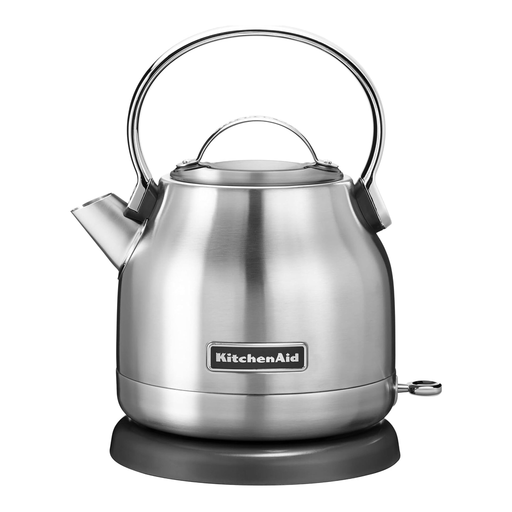
Why it's a great fit: For users who value brand quality, durability, and a timeless, clean design. Its compact size is ideal for smaller kitchens or 1-2 person households.
The single-wall yet robust stainless steel housing and the sturdy lid mechanism are hallmarks of KitchenAid's renowned build quality. This counteracts the pitfall of short-lived components. Automatic shut-off is, of course, included.
The combination of a compact dome shape, high-quality stainless steel construction, and a removable limescale filter ensures easy handling and cleaning with proven brand quality.
We've compiled a complete, up-to-date list of products that fully meet these strict selection criteria and safety standards.
The frequency of descaling depends on the water hardness in your area. With hard water, it is advisable to descale the appliance every one to two months. With soft water, descaling every three to four months is sufficient. Regular descaling ensures efficient performance and extends the life of the appliance.
Yes, models with a concealed heating element are generally preferable. The heating coil is hidden under a stainless steel plate at the bottom of the kettle. This has two advantages: limescale buildup cannot form directly on the heating element, which makes cleaning much easier. It also promotes more even heating of the water.
The power consumption of a keep-warm function is low compared to the actual boiling process. The function only reheats in intervals to maintain the temperature. Nevertheless, it does consume energy continuously. If you want to minimise energy consumption, you should boil water fresh as needed rather than using the keep-warm function for an extended period.