
Lieferung heute & morgen

Qualitätsgarantie

Willkommens-Angebote freischalten: KOSTENLOSE Lieferung | Bis zu 80 % RABATT | Kostenlose 30-Tage-JoyPlus-Testphase
App herunterladen
Burnt-on food residue on the bottom of a stainless steel pot or stubborn grime on a grill grate is a real challenge. A robust stainless steel pot scourer seems like the obvious solution. However, the market is flooded with products that promise more than they can deliver. Many users quickly find that their supposedly rust-free tool develops brown spots or falls apart after the first intensive cleaning.
As your Joybuy Product Recommendation Officer, I'm here to help you identify the common pitfalls and make an informed decision. Instead of falling for marketing promises, you should focus on verifiable features. The most common problems are:
To avoid these problems, focus on three core aspects that determine the quality and suitability of a pot scourer.
The term rust-free is crucial, but it requires a closer look. High-quality pot scourers are made from specific stainless steel alloys (such as grade 304), which offer high resistance to corrosion from water, food acids, and cleaning agents. A simple test is often the weight and feel: a solidly constructed pot scraper feels dense and sturdy, not light and flimsy. Inferior metals tend to oxidise quickly, especially when constantly exposed to moisture.
The longevity of a pot scourer is directly linked to its construction. Look for a dense and tightly wound stainless steel coil. Loosely wound models have less scrubbing power and tend to unravel quickly. A tight structure not only ensures more effective cleaning but also helps the sponge retain its shape without losing individual wires. This is a clear indicator of quality that significantly extends the product's lifespan.
Not every metal scourer is suitable for every surface. A stainless steel pot scourer is ideal for removing burnt-on food from:
However, caution is advised with coated pans (Teflon, ceramic), high-polish surfaces, glass, or plastic. Here, even the finest steel sponge can cause irreparable scratches. For these cases, cleaners with a less abrasive scrubbing side are the better choice.
Instead of making a one-size-fits-all recommendation, we have identified products that match specific user profiles and their requirements.
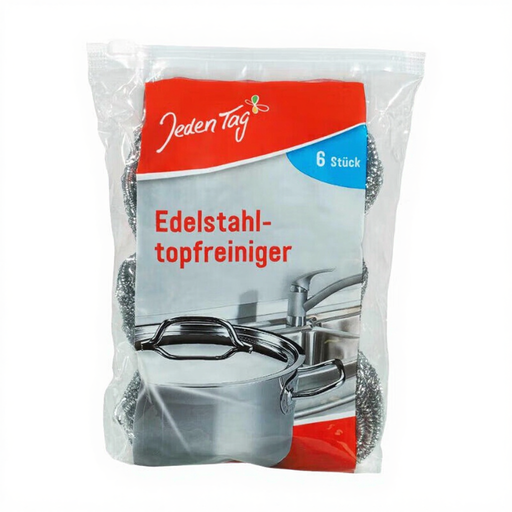
Why This Fits Their Persona: Ideal for regular use in family kitchens where value for money is a priority. The bulk pack ensures a fresh scourer is always on hand to tackle tough grime on pots and pans.
The 6-pack counteracts the "disintegration effect" by offering a cost-effective solution for regular replacement, thus maintaining hygiene and cleaning performance.
Convenient bulk pack for a long-lasting supply. The robust coil structure effectively removes grease and burnt-on food.
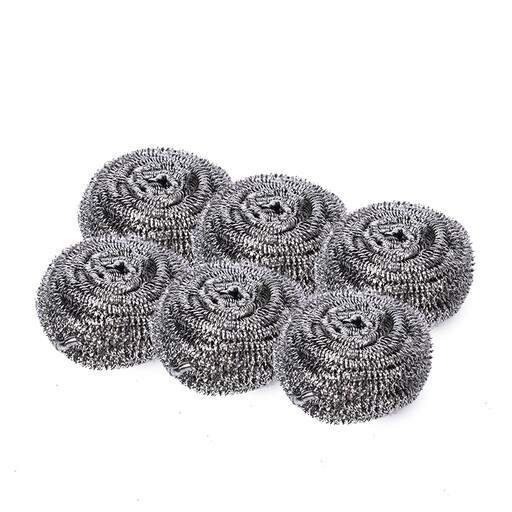
Why This Fits Their Persona: For home cooks and professional users who need a durable and reliable tool. The explicit mention of grade 304 stainless steel indicates superior material quality and resilience.
This product directly addresses the "rust trap" by using high-quality grade 304 stainless steel, which is known for its superior corrosion resistance in kitchen environments.
Made from premium grade 304 stainless steel for maximum rust resistance. The dense coil winding ensures durability and high scrubbing performance.
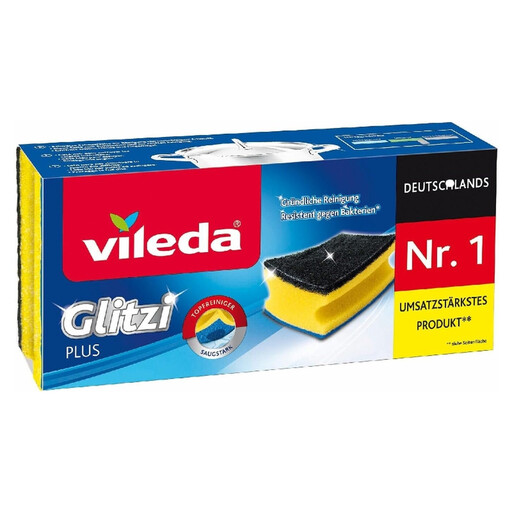
Why This Fits Their Persona: Perfect for anyone looking for a multi-functional tool. This sponge combines an aggressive scouring side for tough messes with a soft cloth side for gentle wiping and absorbing liquids.
It tackles the "scratch hazard" by putting the user in control. The black scouring side is for tough jobs, while the blue cloth side is gentle on more delicate surfaces.
Two-in-one functionality for powerful scrubbing and gentle cleaning. The ergonomic grip ridge protects hands and fingernails during use.
We have compiled a complete, up-to-date list of products that fully meet these strict selection criteria and all relevant safety standards.
Even stainless steel declared as rust-free can corrode under certain conditions. To prevent this, rinse the scourer thoroughly with clean water after each use to remove all food particles and cleaning agents. Squeeze out any excess water and store it in a dry place rather than leaving it in a damp sink.
Yes, a stainless steel pot scraper is very effective for removing burnt-on residue from cast iron pans without completely stripping the seasoning, as long as you avoid aggressive cleaning agents. It is an effective method for mechanically cleaning the pan.
Avoid using them on any non-stick surfaces (e.g., Teflon, ceramic), as the abrasive action will permanently destroy the coating. They are also unsuitable for high-polish stainless steel, acrylic, glass, and plastic, as they will leave visible scratches. If you are unsure, always test the scourer on an inconspicuous area first.