
Lieferung heute & morgen

Qualitätsgarantie

Willkommens-Angebote freischalten: KOSTENLOSE Lieferung | Bis zu 80 % RABATT | Kostenlose 30-Tage-JoyPlus-Testphase
App herunterladen
Pasta, flour, sugar, coffee, muesli and biscuits can all be stored neatly when the container suits the type of food and the available storage space. Airtight food storage containers can help protect contents from moisture, dust and accidental spills. However, not every container with a sealing ring is automatically practical for everyday use.
Households should therefore take a closer look before buying. The key considerations are not just design and capacity, but also the closure mechanism, ease of cleaning and the shape of the container.
A decorative container with a loose-fitting lid may look appealing, but it may not reliably protect its contents from airborne moisture. Look for specific details such as a sealing ring, snap closure or an audible click indicating that the lid has locked into place. Screw-top or clamp lids should close evenly and be easy to operate without requiring unusually high force.
A tall container may be ideal for spaghetti, but takes up a lot of room in a low kitchen cupboard. Conversely, a wide container may work well for flour or muesli, yet leave little usable storage space on a narrow shelf. So check the height, width and depth, not just the capacity.
Lids, seals and hard-to-reach edges can make cleaning more difficult. A dishwasher-safe food storage container is often more practical for families and frequent users than a container that can only be washed by hand. With glass containers, the container itself may be dishwasher-safe while the lid needs to be treated separately.
Glass is transparent and, according to the relevant product details, does not absorb odours or become discoloured. As a glass storage jar with a lid, it is suitable for coffee, tea, biscuits and dry staple ingredients. The downside is that glass can break if dropped and is relatively heavy, depending on its size.
Plastic is generally lighter and practical for everyday use. With an airtight plastic food container, look for smooth inner surfaces, material information and the permitted cleaning temperature. Not every container is suitable for hot food, the microwave or the freezer.
Metal can be a robust option for dry indoor storage as an airtight pasta storage tin or coffee container. If the manufacturer recommends hand washing, any coating should not be treated with abrasive cleaners.
The lid must sit fully on the container. With snap-on lids, an audible click is a useful indication that the closure has engaged. However, this does not replace checking the sealing ring. It should be clean, dry and free from cracks.
With a glass container featuring wooden components, take particular care to ensure that the lid is completely dry before closing it. Moisture inside the container can affect the storage of dry foods.
For flour, sugar and muesli, rectangular stackable food storage containers are often space-saving. Different sizes designed to work together make better use of shelves than multiple containers with randomly chosen dimensions. Transparent food storage containers make it easier to check the fill level and reduce time spent searching in the kitchen cupboard.
As a rough guide:
The most suitable size will depend on the shape of the packaging, the type of food and the available cupboard dimensions.
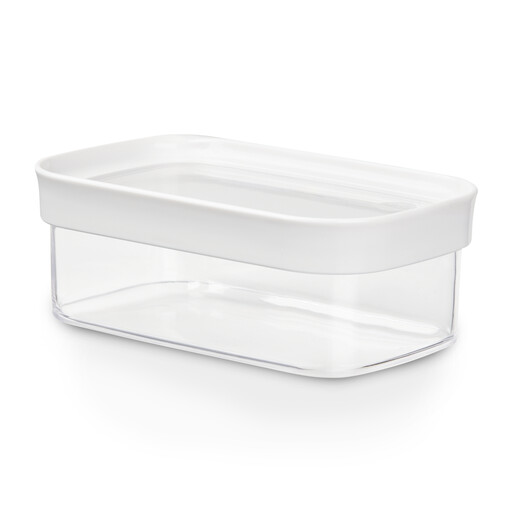
Why this product suits the profile: According to Emsa’s product details, this small, transparent plastic container combines an airtight snap-on lid with a compact, stackable design. It is well suited to smaller households, individual supplies and narrow kitchen cupboards.
The product description specifies an audible closure, smooth inner surfaces and a dishwasher-safe design. This provides more specific information about checking the closure and cleaning than a simple lid would.
0.45-litre capacity, transparent body and non-slip stacking rims according to the product details.
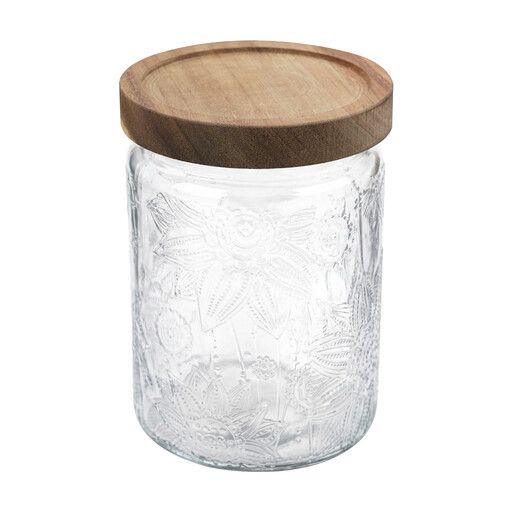
Why this product suits the profile: According to the product details, this storage jar is made from clear, food-safe glass and features an embossed sunflower design. It is suitable for visible storage on the worktop or in the larder cupboard.
The 700 ml capacity, material and care instructions are clearly specified. According to the description, the lid should be completely dry before closing; the glass should be handled with care.
A clear view of the contents and an odour-neutral glass surface according to the product details; suitable as a biscuit tin or a container for tea and coffee.
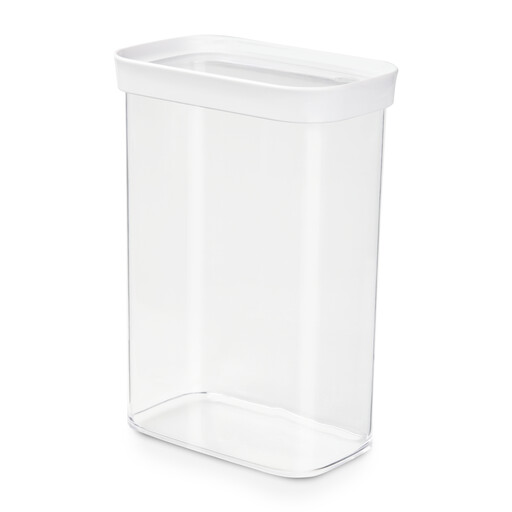
Why this product suits the profile: According to Emsa’s product details, this rectangular container has a 2.2-litre capacity, a transparent body and dimensions designed for kitchen cupboards. It is made for families, bulk buying and regular refilling.
According to the description, the closure can be checked by listening for an audible click. Stacking rims and a grip area address the common problems of unstable stacks and difficult handling.
2.2-litre capacity, dishwasher-safe design and stackable rectangular shape according to the product details.
We have put together a complete, regularly updated list of products that fully meet these strict selection criteria and the safety regulations applicable in the EU.
Only fill food storage containers with food that has cooled completely and is dry. With flour and sugar containers, a dry interior helps prevent clumping. Coffee should ideally be protected from light, heat and moisture. A transparent container is practical for keeping an eye on the contents, but it should not be left in direct sunlight for extended periods.
Also label the container with its contents and the date it was filled. This makes it easier to use older supplies first. Clean the container and lid before first use, and allow all individual parts to dry completely. If the seals are damaged, replace the closure or use the container only for non-critical storage purposes.
For flour and sugar, containers with sufficient capacity, a wide opening and a tightly closing lid are practical. Rectangular plastic containers often make efficient use of cupboard space. Glass is useful when you want to see the fill level and any residue immediately.
That depends on the individual model. With some products, the container is dishwasher-safe while the lid, wooden components or seals should be cleaned separately. Read the care instructions before buying, and only remove the seal if the manufacturer provides for this.
Their service life depends on the material, closure, cleaning and how they are handled. Glass can break if knocked, plastic can be affected by heat or scratches, and seals can lose their elasticity over time. Regular checks, dry storage and the cleaning methods recommended by the manufacturer can help extend their useful life.