
Same-day & Next-day Delivery

Quality Guaranteed

Unlock Your Welcome Offers: FREE Delivery | Up to 80% OFF | Free 30-day JoyPlus trial
Download the APP
The world of Asian spirits is diverse and fascinating, but getting started can be overwhelming. From Korean soju and Chinese baijiu to Japanese sake, the selection is vast. Many buyers feel inundated by unclear labels and marketing promises. This guide will help you navigate the common pitfalls and make an informed decision that suits your taste and occasion.
Before you add a bottle to your cart, you should be aware of two common misconceptions that often lead to a disappointing purchase.
To make a great choice, focus on three objective criteria. These will help you correctly interpret product information and find the right drink for you.
This is the most fundamental distinction.
The alcohol content is a direct indicator of the drink's strength and potential use case.
Especially with flavoured spirits, it's worth taking a close look at the ingredients. Look for clues about the origin of the flavours. Phrasing like "natural grapefruit flavour" or "strawberry extract" indicates a different quality than non-specific terms like "flavouring." A high content of fructose or other sweeteners can also be an indicator that the taste is primarily shaped by additives rather than the base spirit.
Here are some recommendations tailored to different needs and taste preferences.
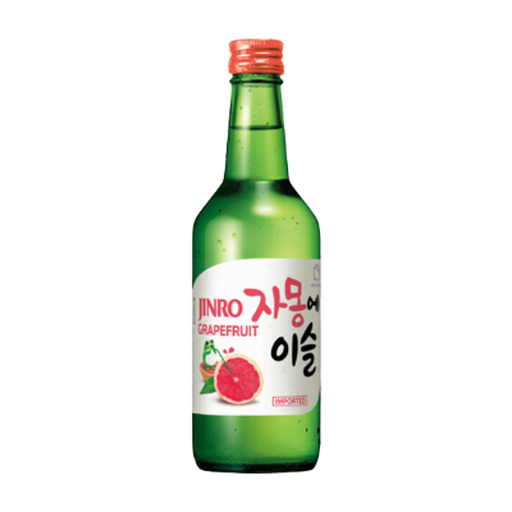
Why it's a good fit: Ideal for anyone curious about soju. The moderate alcohol content and fruity flavour make it very approachable. It represents the modern trend of flavoured sojus popular in K-culture and is perfect for social gatherings.
The label is unambiguous: "Flavored Soju" with a clearly declared alcohol content of 13% ABV. There is no risk of confusing it with a high-proof spirit or a light rice wine.
The combination of the clean base of Chamisul Soju and grapefruit flavour creates a refreshing, bittersweet taste. It can be enjoyed chilled and neat or used as a base for simple cocktails.
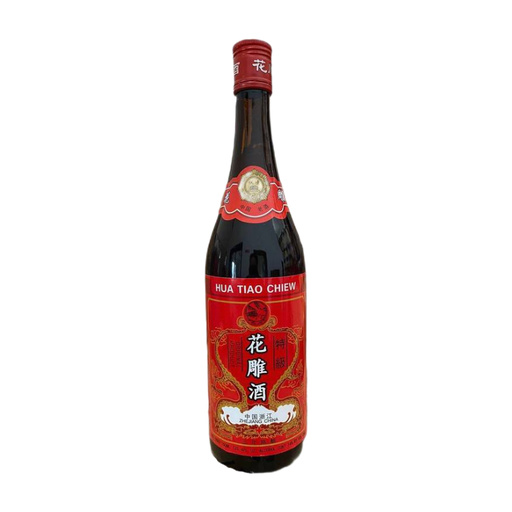
Why it's a good fit: This is a fundamental ingredient for preparing many authentic Chinese dishes. It adds an unmistakable depth and rich aroma to food. At the same time, it can be enjoyed as a traditional beverage when gently warmed.
This product is a clearly defined Shaoxing wine, a fermented rice wine. Its role as both a cooking and drinking wine is well-established, avoiding any ambiguity about whether it is a spirit or a light wine.
Made from glutinous rice, wheat, and water from Jian Lake, this wine offers a balanced flavour profile of sweet, sour, bitter, spicy, umami, and astringent. Its versatility in the kitchen is a clear advantage.
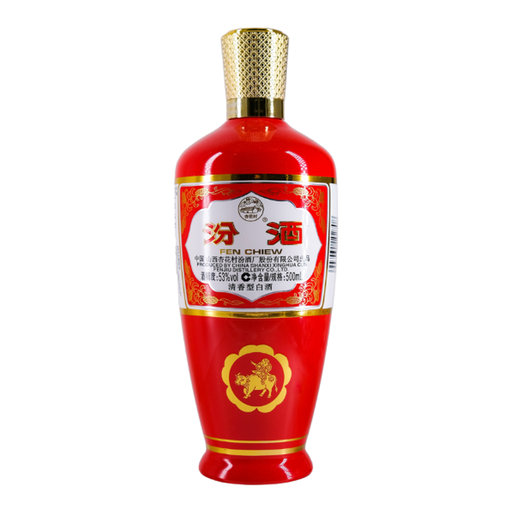
Why it's a good fit: For connoisseurs seeking an authentic, high-proof spirit that is distinctly different from Western spirits. Fenjiu is a classic example of a light-aroma Chinese Baijiu, offering a complex and fragrant tasting experience.
The very high alcohol content of 53% ABV is declared unmistakably. This prevents any confusion with a lighter beverage and clearly positions the product as a high-proof spirit for neat sipping.
Made from sorghum, barley, and peas using traditional methods. It offers a mild, sweet, and long-lasting aroma with notes of caramel, ripe banana, and spices, making it a great entry point into the world of Baijiu.
If you're interested in fruity and approachable spirits, we've curated a comprehensive selection that meets our criteria for clear labelling and balanced flavour.
Traditionally, soju is served chilled and drunk neat from small shot glasses, often accompanying Korean food. Flavoured soju varieties are also popular in simple mixed drinks, for example with sparkling water or lemonade.
The two are often confused but are fundamentally different. Sake is a Japanese, fermented rice beverage (similar to wine) with an alcohol content of about 14-16%. Soju is a Korean, distilled spirit (similar to vodka) made from rice, but also from other starches like sweet potatoes or tapioca. Its alcohol content varies more widely but is often between 13% and 20%.
No. While basic Shaoxing wine is an excellent cooking ingredient, higher-quality, aged versions (e.g., 10 years or older) can also be enjoyed as a beverage. They are typically served gently warmed to bring out their complex, nutty, and rich aromas.