
Lieferung heute & morgen

Qualitätsgarantie

Willkommens-Angebote freischalten: KOSTENLOSE Lieferung | Bis zu 80 % RABATT | Kostenlose 30-Tage-JoyPlus-Testphase
App herunterladen
Chinese cooking wine features in many Asian recipes, but it’s easy to confuse it with drinking rice wine, mirin or Japanese cooking sake when shopping. Differences in ingredients, salt content, alcohol content and ageing can significantly affect its flavour and how you use it.
If you regularly cook meat, poultry, fish or vegetables, don’t just look at the bottle size and brand name. An inexpensive Chinese seasoning wine with a high salt content or added flavour enhancers can change the seasoning of the whole dish. On the other hand, a premium Shaoxing cooking wine isn’t always the most practical choice if you mainly need large quantities for catering.
Depending on the product, Shaoxing and Huadiao wines may be sold both as drinks and for cooking. Cooking wine often contains salt, spices or other ingredients, so it isn’t automatically intended for drinking. By contrast, an aged Shaoxing rice wine without typical seasoning ingredients may be labelled as an alcoholic drink.
So check the information on the label:
Always check the ingredients list against the “No Additives” claim. Qian He Spring Onion & Ginger Cooking Wine 500ml, No Additives lists water, rice, spring onions and ginger. Other products, however, contain salt, caramel colouring, monosodium glutamate E621 or disodium 5'-ribonucleotide E635.
“No Additives” also doesn’t automatically mean “salt-free” or suitable for every diet. The ingredients list and nutritional information on the individual pack are what matter.
Chinese rice wine for cooking is usually used a little at a time. A 1.75 or 1.9-litre bottle may make sense for households that regularly cook with a wok or cater for events. For occasional use, a 500ml bottle is easier to finish and takes up less storage space.
The ingredients determine whether you can add the cooking wine to a recipe without changing the seasoning, or whether you need to account for its extra flavour. Wangzhihe Cooking Wine 1.75L lists rice, glutinous rice, salt, alcohol, spices, E621, E635 and caramel colouring, among other ingredients. Its declared salt content is 0.52 g per 100 ml.
Wang Zhi He Refined Cooking Wine 500 ml has a declared salt content of 3.0 g per 100 ml, while Donggu Cooking Wine 500ml contains 10.0 g per 100 ml. If you use these products, reduce the amount of soy sauce, salt or stock in your recipe accordingly.
If you’re looking for a cooking wine without added colourings or flavourings, check the listed ingredients in products such as Liu Bi Ju Zero-Additive Cooking Wine 1L. Its ingredients include yellow rice wine, water, wheat, Jiuqu, salt and spices. This product contains wheat, so it isn’t suitable for anyone with a relevant intolerance.
Shaoxing cooking wine is typically made from fermented rice and wheat. In aged varieties, longer storage can affect the flavour profile. According to the product details, Kuai Ji Shan 5-Year Aged Chunzheng Shaoxing Wine 500ml is aged for five years and contains at least 14 % vol alcohol.
Laohenghe Huadiao Cooking Wine (10 Years) 500ml is listed as having an alcohol content of 15 %. The 750ml version in the same product range has an alcohol content of 20 % vol. These differences show why you shouldn’t assume the ageing period or alcohol content from the product name alone.
For marinades, one or two tablespoons is often enough, depending on the quantity of ingredients and the recipe. When stir-frying, the wine is often added during cooking or towards the end of cooking in the wok. For braised dishes, you can use it with stock and soy sauce.
Look for:
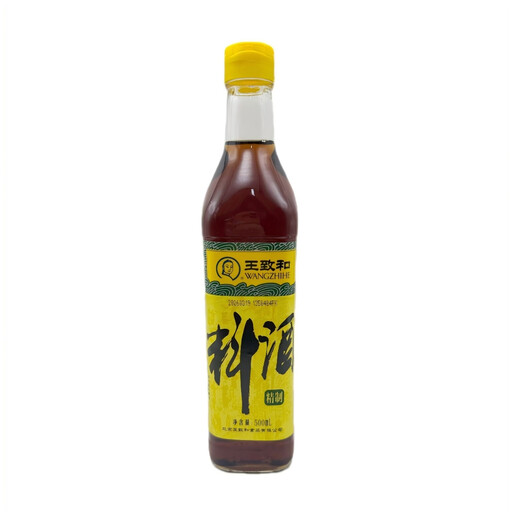
Why this product suits this profile: The 500ml bottle is ideal for households trying Chinese recipes and looking to keep a manageable amount in stock. The product is intended for marinades, stir-fries, braised dishes and soups.
The ingredients list clearly states that it contains rice wine, salt and spices. This makes it easier to factor the extra seasoning into your recipe.
500 ml; according to the product details, it can be used with meat, fish, poultry, eggs and vegetables.
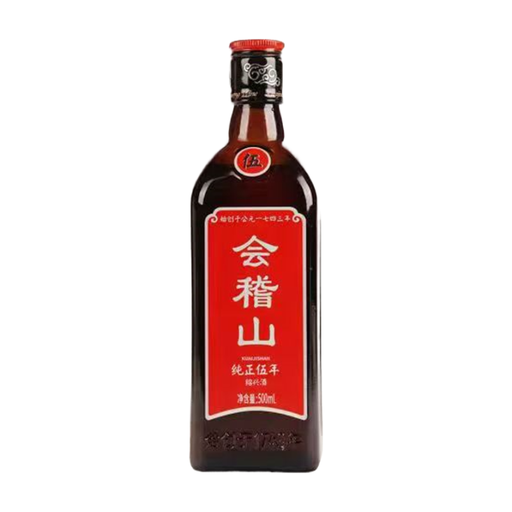
Why this product suits this profile: The stated five-year ageing period and ingredients of water, glutinous rice, wheat and caramel colouring will appeal to buyers who look for information about origin, ageing and labelling when choosing Shaoxing rice wine.
The ageing period is clearly stated, and the alcohol content is listed as at least 14 % vol. Wheat is clearly identified as an allergen.
Base wine aged for five years; 500 ml; labelled for use as a cooking ingredient or drink.
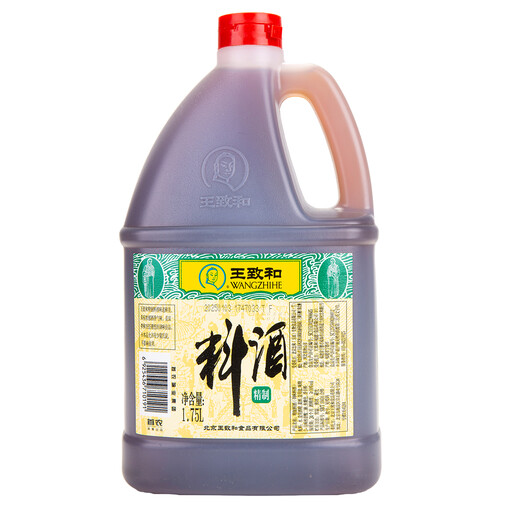
Why this product suits this profile: This large bottle is aimed at households that use cooking wine regularly, as well as professional kitchens and catering businesses. It is intended for marinating, frying and braising meat, poultry and seafood.
The ingredients and salt content are declared. If you want to avoid flavour enhancers or caramel colouring, you can check for these ingredients before buying.
1.75 litres; made with rice and glutinous rice; suitable for a range of meat, fish and wok dishes.
We’ve put together a complete, regularly updated list of products that meet these strict selection criteria and fully comply with the safety regulations in force in the EU.
Cooking wine for meat and fish is often added to the marinade before cooking. For fish, poultry or pork, you can combine one or two tablespoons with ginger, spring onions, soy sauce or sesame oil. The marinating time will depend on the recipe and the quantity of ingredients.
When cooking in a wok, add the wine to the hot side of the pan or directly to the ingredients. For braised dishes, add it along with the liquid. Cooking for long enough can reduce the alcohol content, but won’t necessarily remove it completely. If you need to avoid alcohol, check the product details and make sure the recipe is suitable.
Shaoxing wine is a specific type of Chinese rice wine. Shaoxing cooking wine may contain added salt and spices, while some Shaoxing or Huadiao wines are sold as alcoholic drinks. The ingredients list, alcohol content and intended use on the label are what matter.
There’s no single recommended shelf life after opening that applies to every product. Seal the bottle after each use and follow the manufacturer’s instructions. Several products recommend cool, dry storage, while certain varieties should be refrigerated after opening.
You shouldn’t expect them to taste exactly the same. Mirin-style products are usually sweeter, while cooking sake may have a different flavour and ingredients. If you substitute one for another, adjust the salt, sweetness and liquid in the recipe.